
In a previous post called The Essence of a Smaller Life, I wrote about reading Andy Couturier’s The Abundance of Less and how I became interested in the quiet lives of the people he profiles. The book talks about people in rural Japan who have chosen to live outside of the fast pace and high expectations of modern economic life. Their stories describe lives with less stress, fewer goals, and more focus on the rhythms of daily life.
But as I kept reading, one chapter triggered me in ways I didn’t expect. It was the chapter about Atsuko Watanabe, an environmental activist whose views on success, recognition, and the purpose of life challenged me rather than inspired me. At one point in the interview, she says that becoming famous, making money from painting (art), or winning prizes is not worth anything. She says that life isn’t about worrying about what other people think of you. The statement stuck with me.
It sounded absolute and almost dismissive. But I also reminded myself that the interview took place in the 1990s, long before the internet and social media changed how recognition and visibility operate today. The first edition of The Abundance of Less came out in 2010, and the second edition came out in 2017. Reading her words decades later offers a fresh perspective on their impact.
Watanabe’s philosophy is clear. She doesn’t believe in the common measures of success, like getting awards, being popular, and having financial achievement. Instead, she organizes her life around activism, getting involved in her community, and living by ethical standards. I admit that her choice demonstrates integrity; however, living by principles instead of seeking social rewards requires faith or strong conviction.
Even though I disagree with some of the things she said, I could relate to her desire for time to reflect, read, learn, and make art. Those are values that are important to me. I also found myself admiring another aspect of her life. As a Catholic living in rural Japan, Watanabe chose a spiritual path that was uncommon in her surroundings. It takes courage to have that kind of belief. It reminded me of my own complicated relationship with faith as an Iban, even though my path has gone in the opposite direction. But I couldn’t help but push back against the moral certainty in what she said.
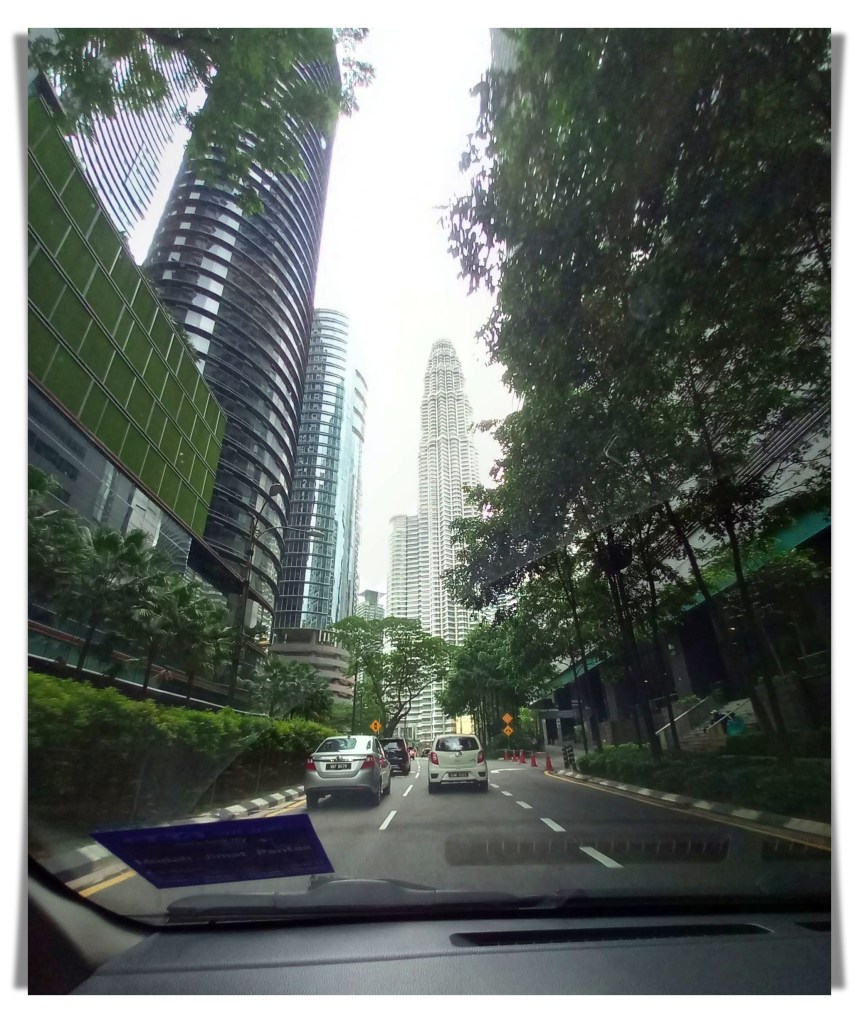
From where I stand today, living in a modern city, I see that being part of the larger economy doesn’t always mean wanting to pursue fame or recognition. For a vast majority of people, it’s just the way things are to make a living. Families have to pay off mortgages, debts, and other obligations. Not everything you work on is about getting ahead or improving social standing. A lot of the time, it’s just how we support the people under our care.
When someone says that fame or recognition is meaningless, it can sound like they are judging people who live differently. A lot of people are just trying to make sense of the situations they have inherited. This chapter also made me think about the bigger idea of “simple living.”
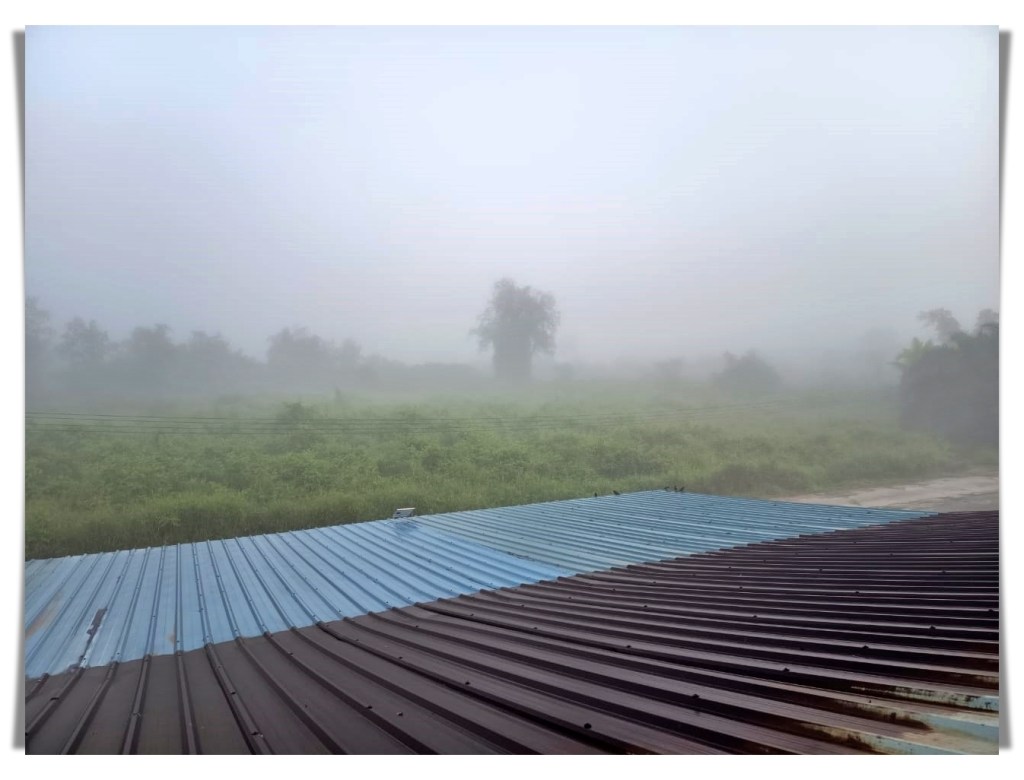
For me, simplicity is not an abstract idea. I am Iban, and many Ibans in Borneo still maintain connections to communal life in longhouses. These communities are often in the rural areas, reachable by rivers, logging roads, or modern roads. Life there is closely tied to the land. People get their food from nature by planting rice, fishing in nearby rivers, and hunting in the jungle. For someone who lives in a city, that way of life might seem peaceful and romantic. It looks like the embodiment of simplicity. But simplicity in that context isn’t necessarily easy.
Planting rice under the blazing sun demands grueling physical effort. Hunting and fishing, too, come with their set of risks. In some rivers, crocodiles aren’t baseless rumors; they’re genuine threats. Jungles can harbor venomous snakes and other dangerous creatures. Living in a longhouse requires strength, teamwork, grit, and resilience. While many consider it a fulfilling way of life, it’s not something one casually adopts because it seems attractive.
You see, living simply isn’t always simple at all. It requires particular conditions like having access to land, strong ties to the community, and willingness to endure hardship and inconvenience. The philosophy can be difficult to follow, and sometimes even impossible, without those conditions.
In one way, I agree with Watanabe. She says that this kind of life might be good for someone who doesn’t mind being inconvenienced. There is truth in that observation. Living closer to the land often means accepting limits that modern city life tries to eliminate.
What makes me hesitate is the moral certainty that sometimes comes with these ideals. When simplicity is seen as the best way to live, it ignores the things that affect other people’s choices. When someone has already left the systems that make those goals necessary for others, it’s easy to reject recognition and material success. Many people are not chasing fame or recognition. They are simply doing their best to meet the responsibilities of their lives.
I doubt that simplicity is something that only exists in rural areas or outside of modern systems. I see it as something more personal and not necessarily needing to be away from our current situation. It is how we decide what is worth our time. It is also how we keep our lives from getting too complex and beyond control and how we stay connected to what matters even when we are stuck in places we can’t easily escape. I personally believe that simplicity today doesn’t mean completely shutting yourself off from the modern world and figuring out how to live with purpose in it.
I write about Iban culture, ancestral rituals, creative life, emotional truths, and the quiet transformations of love, motherhood, and identity. If this speaks to you, subscribe and journey with me.
 Olivia's Atelier