Why Malaysians Can’t Debate and What Literature Has to Do with It

I have been thinking about this sentence for days: Literature is vital to the development of civilization. It sounds lofty and almost too academic, but the truth of it becomes painfully clear when you look at what’s going on around us right now. In Malaysia, social media has become a chaotic place where people shout at each other, often without understanding what they are shouting about. The topics change every week, from the Israel-Palestine conflict to alcohol to race to religion, but the pattern stays the same. The loudest voices get the most attention, and the most aggressive ones dominate the space. It doesn’t feel like engaging in conversation and more like moral warfare.

Every time you scroll through Threads or Facebook, you see another argument about who’s right and who’s wrong. There are a lot of insults, accusations, and name-calling in the debates. Malaysian netizens have been calling each other kafir, Yahudi Laknatullah or Zionist sympathizers, pemabuk, tak sedar diri, and poyo just for saying something that doesn’t fit into the dominant narrative. The moral superiority that oozes from these posts is exhausting. Many Malays—though NOT ALL—seem to think that their views are the most righteous and anyone who questions them is automatically condemned. This behavior is so common that it is now seen as virtuous.

Seeing all of this happen has made me deeply weary. There are times when I want to say something, stand up for those who are insulted, and fight against racism and hypocrisy. But I never do. I stop myself every time I want to type a response. I know that trying to reason with people who don’t want to understand is a waste of time. I also know that entering a discussion driven by anger will only drain me. Still, I can’t help but think about why our public discourse is so shallow and why we as a society seem incapable of having difficult conversations without turning them into battles. I think the answer has to do with our relationship with reading and literature.

Literature teaches us how to think, to see beyond ourselves, and how to listen to others even when we disagree. It teaches patience, builds creativity and empathy.  Reading widely and deeply helps people learn to see things from multiple perspectives at the same time. They understand subtleties. They acknowledge there are no absolutes in life. In a society that values literature, debates are chances to learn and grow. But in a society that lacks interest in literature, discussions turn into shouting matches. Without the habit of reading, people struggle to form coherent arguments. They react with their feelings, not their brains. Instead of engaging, they attack. They want to be validated, not told the truth.

The lack of reading in Malaysia is not a new issue. We all know the statistics. In 2024, Malaysia ranks 6th among nine Southeast Asian countries in a survey by CEOWORLD magazine, with an average of only 5 books read per year. There are Malaysians who proudly say they haven’t read a book since school. Many bookstores close down, and libraries stay empty. People who do read often stick to light, motivational books that make them feel good without challenging them.  Literature that makes us think, makes us uncomfortable, and makes us question ourselves is deemed boring or irrelevant. When we lose the habit of reading such works, we lose something crucial: the ability to think beyond our experience. And when that happens on a large scale, it affects how a nation speaks, argues, and grows.

The decline of reading is not only a cultural issue; it is a civilizational one. A society that stops reading is easy to manipulate. It forgets how to ask questions, or how to separate truth from propaganda, and how to think for itself. That’s when people start using emotional slogans and moral policing to show who’s in power. We can see this now in how some Malaysians use religion and race as weapons to silence others. The line between being morally right and being self-righteous gets blurry. People get hooked on how good it feels to be right. They use religion to protect themselves and their identity to attack others. In that environment, there is no room for contemplation or compassion. The only thing that is left is the sense of supremacy or dominance.

I often think about how literature could change this landscape. One novel or poem can’t solve racism or fanaticism, but it can help. It can make us pause and remind us that every opinion comes from one individual with a story. When we read stories from perspectives different from ours, we are forced to see the world in a wider frame. That is the beginning of understanding. Civilization moves forward not through arguments or viral posts, but through the slow work of broadening our minds.

I have learned how to use my frustration to write. Instead of arguing online, I write essays, poems, and reflections about the things that are important to me, like memory, stories, experiences, identity, culture, and belonging. I write from my Iban perspective because that’s how I see the world. I know that my writing won’t go viral, and I’m okay with that. I do work that may seem trivial to others, but it is important to me. It is my way of preserving a voice that might go unheard in the noise of bickering Malaysia.

Some days I wonder if my work matters. Even though I’ve published some art-related books, exhibited my art a couple of times, been featured in a newspaper and a magazine and two radio interviews—I’m still relatively obscure. I don’t belong to any literary groups. I only have my blogs and a small space on social media. It might not seem like much. But the more I think about it, the more I realize that literature starts right here: in small feats of expression and the bravery to write the truth even when no one is paying attention. Civilization does not develop solely from great orations. It grows from regular people who choose to share their stories, write down their thoughts, and share what they know. My poems and essays may not reach many people right now, but they carry pieces of history, language, and culture that should live on.

Choosing not to argue online doesn’t mean you’re weak. I choose to protect my peace and integrity on purpose. I don’t want to give up insight for outrage. If you have to lose your dignity to win an argument, it’s not worth it. I want to put my energy into something that will last. For me, writing is a way to get that energy back. It lets me deal with the world without getting stuck in its noise. It reminds me that silence, when it comes from being aware, is not the same as being absent. It is a form of strength.

The past week has reminded me that Malaysia is still struggling to mature in its discourse. Racism, feeling morally superior, and needing to control others through shame all show how weak our collective thinking still is. But I also think that change starts with small steps. Anyone who reads with an open mind helps make that change happen. Every writer who doesn’t give up helps society become more thoughtful, even if it takes a long time.

Literature is not entertainment for the elite. It is the basis of empathy and the record of human complexity. It is also the space where we learn to think beyond survival. Without it, civilization loses its soul. We might still have cities, technology, and institutions, but we wouldn’t have the inner structure that allows a society to reflect and grow. That’s what I see happening around me now: a country that is loud but empty and full of opinionated people but sadly, uninformed.

I don’t expect everyone to understand why I write or why I stay quiet when things are crazy. I do it because I believe that words have a slow power and they move differently. Words help us to remember who we are and who we could be.

I hope that when the noise dies down and the arguments stop, what is left is not anger. I hope what is left is the persistency of those who kept writing and reading. Literature may not change everything, but it is still the soul of civilization. Without it, we lose not only our stories but also our ability to envision a wiser, kinder world.


I write about Iban culture, ancestral rituals, creative life, emotional truths, and the quiet transformations of love, motherhood, and identity. If this speaks to you, subscribe and journey with me.
Passing Stories Along | A Visit to BFBW Subang Parade

Books are expensive in Malaysia. Anyone who reads a lot already know this. A single paperback can cost as much as a meal for two people at times. And when you’re trying to pay your bills, parenting, buy groceries, or just get through the month, buying a new book feels like a luxury that’s easy to postpone.

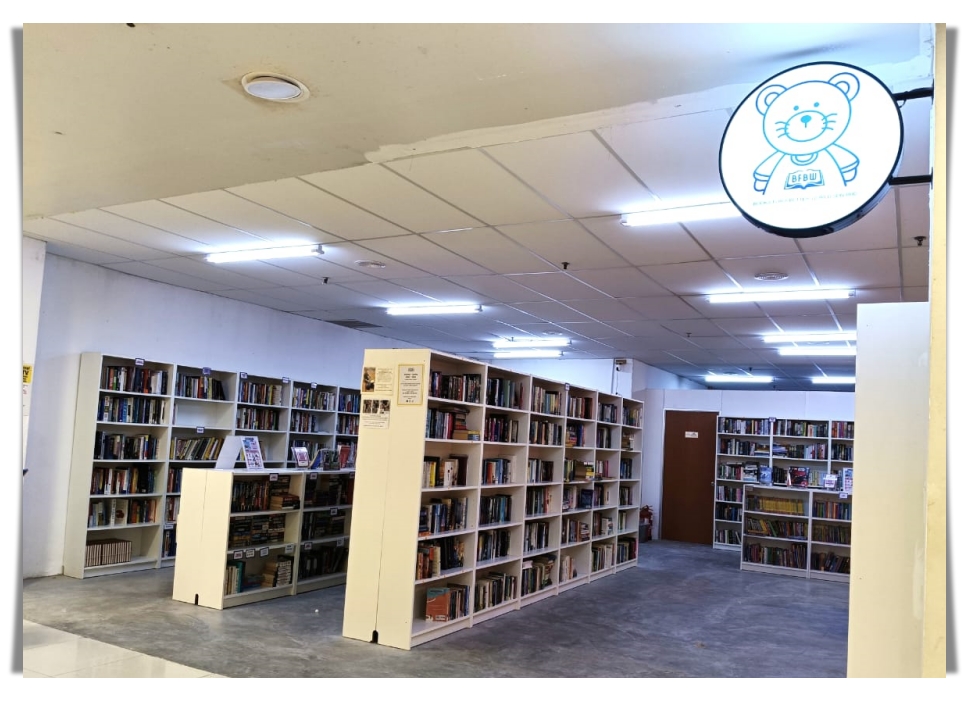
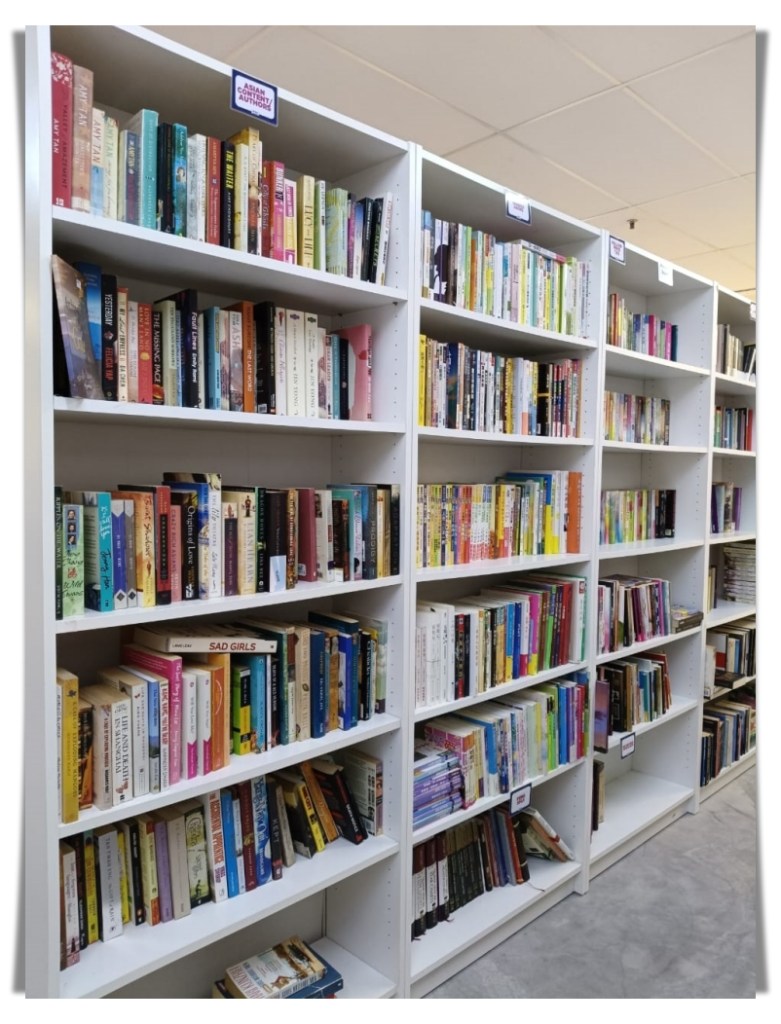
That’s why I’ve always liked used bookstores. Yesterday I went to a small, quiet bookstore in Subang Parade called BFBW – Books for a Better World. I wrote a short post about it on Threads, but the visit stayed with me. The variety of titles and the reasonably priced books weren’t the only factors. It was the mood and what the place stands for.

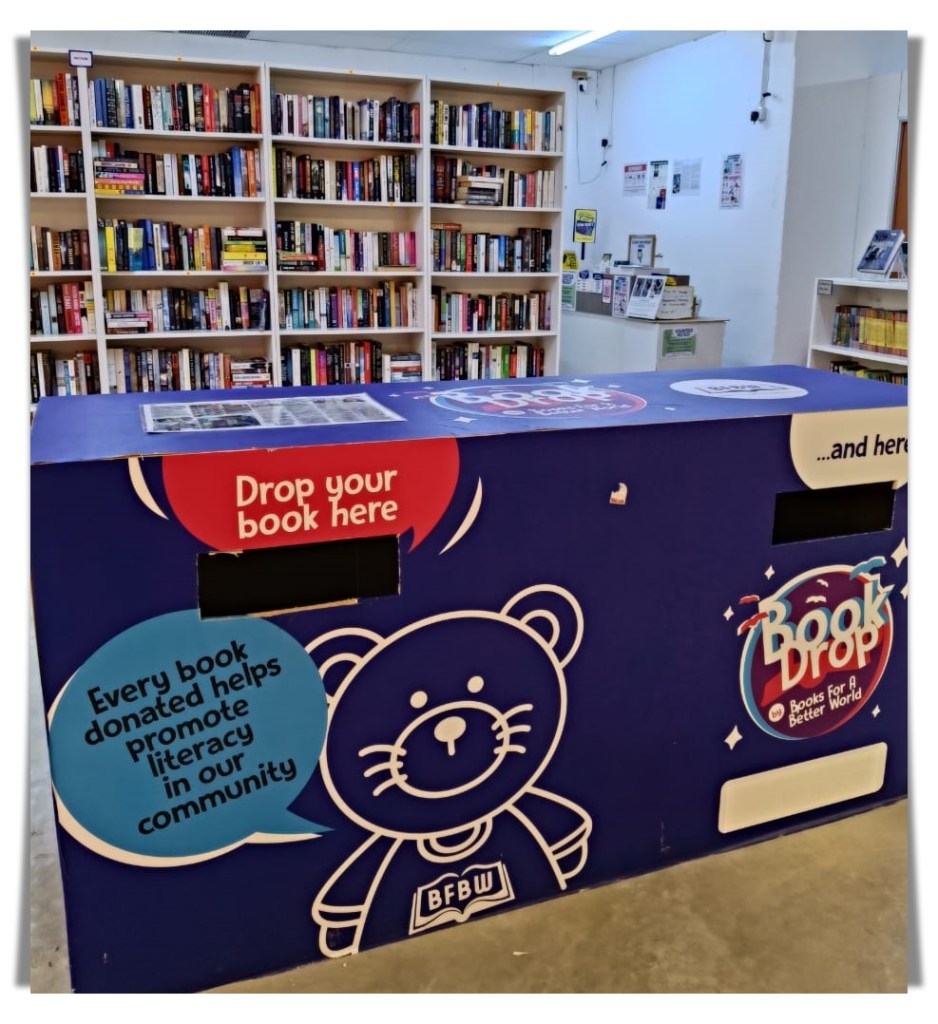
The bookstore is small. There aren’t any cozy corners or mood lighting for photos. There were just clean white shelves, a blue donation box with a cartoon bear on it, and fluorescent lights above. There were no frills in the room, and the floor was just cement. But it still felt good, simple, welcoming, and real.

What made it feel meaningful was the sense that every book had already lived a life. Each one had been read, or maybe left unread, carried in someone’s bag, or left waiting on a nightstand. They were now waiting for someone else to bring them home. That continuity, stories passed from person to person, makes used books unique and special.

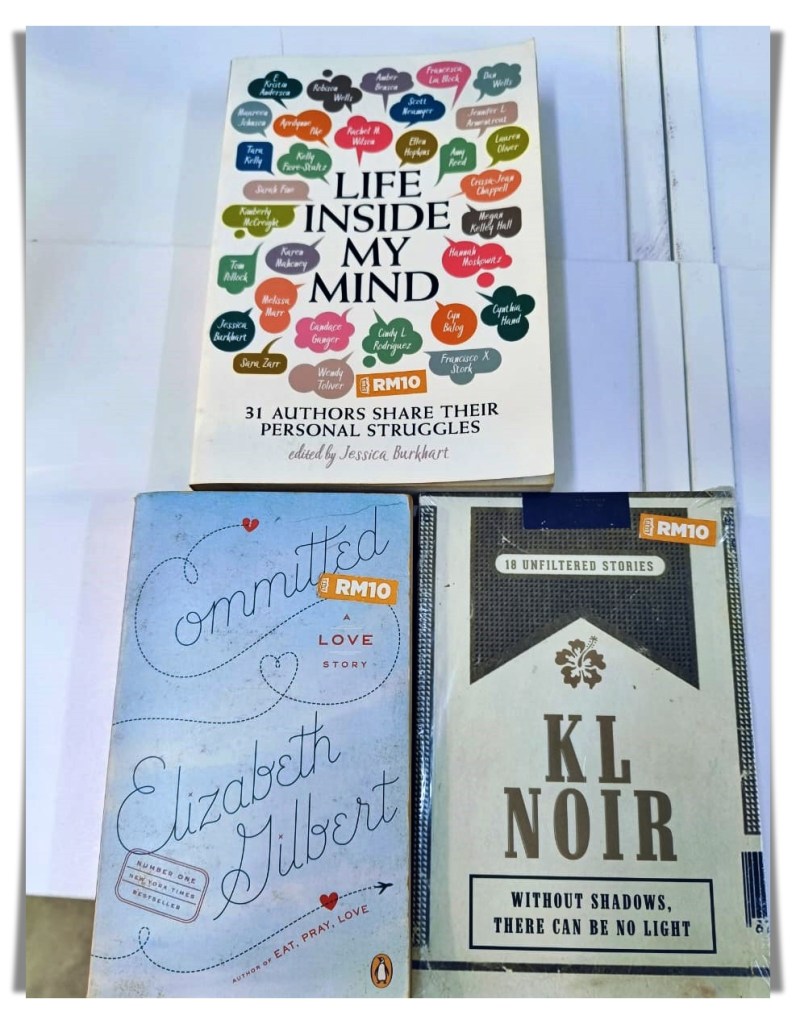
I ended up buying three books for RM10 each. One was Committed by Elizabeth Gilbert, which I’ve wanted to read for a long time. KL Noir was another one that caught my eye because of its subtitle: “Without shadows, there can be no light.” The last one was Life Inside My Mind, a book of essays by different writers about mental health. That one hit home.

These books weren’t in perfect shape. One had corners that were folded. The edges of the other one had faded. But that didn’t matter. I liked that they had been somewhere before me. Someone else had opened these pages and read them, or maybe they didn’t. It’s possible that the book was passed on without being read. It had traveled in any case.

That’s one of the little things that make used bookstores so nice. When you buy a book, you’re getting more than just a book; you’re getting a piece of someone else’s journey. It gives the book a deeper meaning that new books don’t always have.

At the front of the store, BFBW also has a donation box where people can leave books they don’t need anymore. The donated books aren’t just sold again; they’re also given to literacy programs and charities. Communities, schools, and small libraries benefit directly. It’s a simple system that supports access to reading.

While standing there, I reflected on my own bookshelves at home and the books I have kept but no longer read. Some of those books meant something to me at one time, but now they’re ready to go. I also bought books on a whim and never read them all the way through. I realized that giving them away could give them a new life.

It reminded me that sharing stories is more than just writing and publishing. It’s also about letting go and letting a book continue its journey by giving it to someone else. By letting go, we are passing on what helped us in the past or what we never got around to reading.

As a mother and a writer/artist, I often think about the kind of legacy I want to leave behind. This includes not only my own work but also the values I pass on. I want my kids to grow up in a world where they can get their hands on books. Where knowledge and imagination aren’t limited by price and where stories travel. Bookstores like BFBW make that vision feel possible.

If you live in the Klang Valley and have books that are in good shape, whether they are fiction, nonfiction, or children’s books, think about giving them away. Or take a little time to look around and pick up a few. You might find something you didn’t expect. You might rediscover the joy of reading without pressure.

I’m glad I stopped by. I left with three books and the feeling that I was part of something bigger. You are not just a reader but a link in a generous chain of people passing stories along. It really is that simple sometimes.


Olivia Atelier offers printables, templates, and art designed to inspire reflection, healing, and creativity. Visit Olivia’s Atelier for more.

Why Stories Matter | The Transformative Power of Literature

There is a quiet power in stories that goes beyond entertainment and escapism. At its core, literature is the act of giving voice to things that can’t be seen or touched. It forms our feelings, hopes, fears, and questions into something we can hold and share. Stories don’t just reflect our lives; they also hold the weight of human experience across time and space.

The first thing that comes to mind when I think about the power of literature is how it can bring people together. Reading a book is like crossing a bridge; it lets us see and feel the world through someone else’s eyes. In this way, it breaks down the walls that separate us. By fostering empathy, literature reminds us of our shared humanity and allows us to see through another’s eyes. Literature makes us face the idea that our experiences, no matter how unique they seem, are reflections of something bigger than ourselves. When I was young, I read Catcher in the Rye by J.D. Salinger, and it changed the way I thought about how people connect with each other. Holden Caulfield’s cynicism and vulnerability proved how stories can reflect our deepest desire for understanding.

Literature helps us understand not only other people but also ourselves. A story can be like a mirror, showing us things we would rather not see. It reveals our inner wants and fears, as well as our flaws. Reading is a paradox. It makes us lose ourselves in another world, only to find pieces of ourselves reflected back. The lasting power of literature lies in this duality—the simultaneous journey both inside and outside of oneself. Also, Salinger’s book helped me see myself in new ways. Holden’s struggles with authenticity and alienation are a lot like my desire for belonging and self-acceptance.

In the same way, stories live on forever and can transcend time. Because writing is timeless, the words of a writer or a poet who has died a long time ago remain relevant to people today. This doesn’t mean that stories stay unchanged. In fact, they change with each reading based on the reader’s views and their context. What a text meant to the original audience might be very different from what it means to us now. A story is alive in the way it changes with us. Different generations’ readings and reinterpretations enrich it further. One Hundred Years of Solitude by Gabriel García Márquez was recently adapted into a drama, which debuted on Netflix in December 2024. The magical realism in the book has kept readers intrigued for decades, but this version gives the story new life. It enables a new group of viewers to experience its themes of love, loss, and history through a fresh lens.

There is also a bravery that comes with writing. When writing, a writer has to be courageous and believe that their words will touch someone and stay with them. When people write, they often reveal parts of themselves that they wouldn’t share in any other way. They embedded pieces of their own truths into the plot of a story or the flow of a poem. Ralph Keyes’s book The Courage to Write talks about how the courage to write comes from being ready to face overwhelming fears and self-doubt. Writing is brave because it forces the writer to be honest and open, even if the outcome is unknown. It’s not because it leads to fame or admiration. For readers, this vulnerability can change everything. It creates a bond between the writer and the readers, fostering a mutual understanding that surpasses the written word.

But, of course, not every story is pleasant. Some show us harsh realities and make us question what we believe. Some stories force us to face uncomfortable truths. But these stories are still important. The hallmark of enduring literature is that it does not shy away from complexity. It recognizes that beauty and pain, hope and sorrow, often go hand in hand. So, stories help us deal with the complicated things that happen in life; they don’t give us easy answers but instead push us to think, ask questions, and grow.

Stories have the capacity to establish continuity in a world that often appears fragmented. They remind us that we are a part of a bigger story that began a long time ago and will go on after we die. Literature connects us to each other and to the huge, complicated web of human experience.

Why do I write? It comes back to the idea that stories matter. It’s not that they make big, dramatic changes to the world; it’s that they change us in small, subtle ways. They invite us to pause, contemplate, and feel. Indeed, this invitation represents a revolution in a world that demands speed and certainty all the time.

The Man Who Taught Me to Read

Daily writing prompt
Share one of the best gifts you’ve ever received.

I have received many gifts throughout my life. But when I think about the best gift I’ve ever received, I realize that it isn’t something wrapped in paper and ribbon. It wasn’t bought or could be taken away. Instead, it was given to me by a teacher decades ago when I was seven years old. I can honestly say that this gift has changed the course of my life forever. It was the gift of reading.

Unlike my children, I started learning to read fairly late according to today’s standards. I was seven years old and already in my first year of primary school. At that time, the phonic reading system was unknown, at least not in Malaysia, and we learned to read using traditional methods such as syllables or combinations of vowels and consonants. My parents were from the Boomers generation and had no idea how to teach reading to my siblings and me. Education was solely the realm of school teachers.

His name was Mr. Vincent. He was my class teacher (homeroom teacher) and also taught us Malay. Malay is my second language. I don’t know his last name, but I remember how he looked and his patience with more than thirty students who didn’t know how to read or write. I was just a child, sitting in a classroom, struggling to string letters together. I had not yet realized that literacy was the key to unlocking an entire world. Over the course of months, and through what I believe were endless frustrations for Mr. Vincent, everything began to make sense. The first word that made it click together in my brain was “ayam” or chicken. It is a combination of the vowel “a,” consonant “y,” vowel “a,” and consonant “m.” Slowly the letters turned into words, words into sentences, and suddenly books were no longer mysteries; they were doors waiting to be opened.

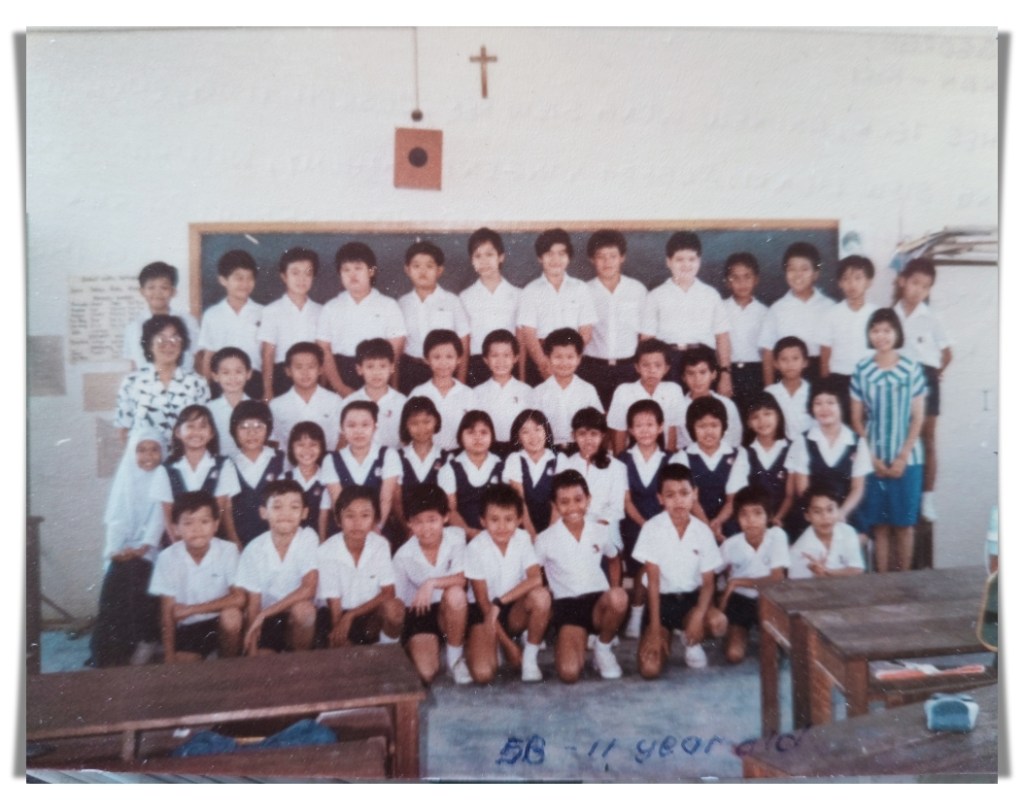
My Primary 5 class photo. I transferred to another school and no longer in touch with Mr. Vincent.

I think of him every year on May 16, Malaysia’s Teachers’ Day. I wonder if he ever knew the impact he had on me. Or if he realized that by teaching a young girl to read, he was giving her more than just a skill. Mr. Vincent was giving me access to knowledge, imagination, and a lifelong love for words. Because of him, I have spent my life reading, writing, learning, and growing in ways I never could have imagined back then.

Teachers rarely know the full extent of their influence. They plant seeds in young minds, often never seeing how far those seeds will grow. Even if Mr. Vincent never read this, I want to acknowledge him. I want to say: Thank you. Thank you for your patience, for your belief in a young girl’s potential, and for opening the doors of literacy that have shaped everything I am today.

To anyone who has ever had a teacher like Mr. Vincent, a teacher who made a lasting impact and shaped the way you see the world, I hope you take a moment to remember them. Be grateful for them and maybe even find a way to say thank you.

Because sometimes, the greatest gifts aren’t things. They’re the people who take the time to teach, to guide, and to believe in us before we even know how to believe in ourselves.

And personally for me, reading became more than just a skill. It became a gateway to expressing my thoughts and to finding my voice through writing. Every word I put on paper today is a reminder of that first lesson in literacy. It’s a reminder that one teacher’s patience can shape a lifetime of words.

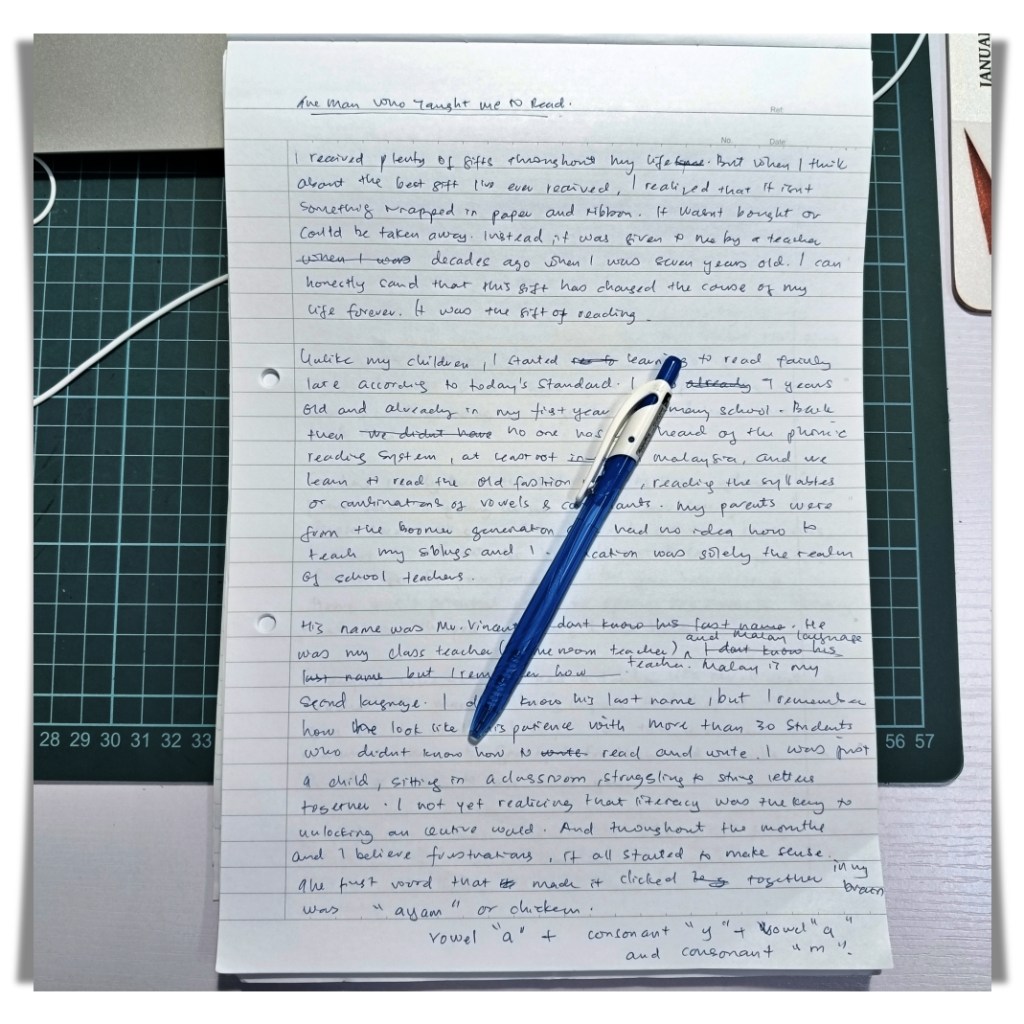
A handwritten draft of this post.