It wasn’t because I was working or I had boundless energy or I was busy chasing my dreams. The main reason was that I needed to feel like a person.
It didn’t start as revenge bedtime procrastination. That phrase only found me later, when I stumbled across an article that put a name to my nightly rebellion. It felt like intense desperation. You could say it was a craving or a desperate fight for space.
When my children were small, the days blended together in a mist of needs. I remember those years vividly and if I’m honest, it makes me shudder, but not because I feel ashamed. My daily life was full of milk-stained shirts, sticky fingers, and toys scattered like confetti across every surface. I loved my kids fiercely. Still do. But in those days, I didn’t know where I ended and they began. I gave them my body, my attention, and everything. And somewhere in that giving, I began to disappear.
When the kids were finally asleep and when the house finally went quiet, and the dishes were done, I sat down. Just for a moment, just to breathe.
And that moment stretched beyond what I intended. I stayed up. Scrolling. Reading. Writing. Wandering through Facebook memories of the woman I used to be. Buying time I couldn’t afford, just to feel like I still existed.
I’d tell myself, “Just one more post. One more chapter. One more scroll.”
But truthfully? I was afraid that if I slept, I’d wake up and do it all over again. The endless giving, pouring out myself and forgetting.
So I kept stealing those hours after midnight.
And in the morning, of course, I paid the price.
I was more irritable. More short-tempered. More ashamed of the mother I was becoming.
The irony was painful: I stayed up to save myself, but it only made me more fragile the next day.
I never told anyone how much I resented the way my life had shrunk. How much I missed myself and how ashamed I felt for even feeling that way.
That was the case until I began writing about it.
That’s how The Hour After Midnight came to life. It began as fragments and eventually evolved into a complete poem. A piece of me, speaking directly to the woman I used to be. Perhaps I still am that woman, but these days I go to bed at 12 AM or earlier. As the kids grow, I enjoy my sleep more, and the resentment has disappeared.
This poem is about a mother who gives her all and suffers in silence. It’s about a woman who craves stillness to survive her crazy life of constant giving. She was just a tired soul who wanted to feel seen.
If that sounds like you, I hope this poem wraps around you like a quiet hug. It’s more than a printable; it’s a recognition and a mirror. A gentle piece of emotional support for any overstimulated mom who needs a reminder to be kind to your mind.
This digital poem makes a thoughtful and unique Mother’s Day gift, especially for the tired mom who needs to hear she’s still enough. It’s a beautiful affirmation of motherhood for those navigating revenge bedtime procrastination, mom life burnout, and those quiet moments where you whisper, “I am enough.”
Find The Hour After Midnightin my shop Olivia’s Atelier. You’ll receive a high-resolution poem print in multiple sizes, ready to frame or gift. I hope it brings you what it brought me—a pause, a breath, a beginning.
Note: Yes, I launched my Etsy shop recently to share my poems with the world. Right now, everything in the shop is 50% off until June 2, including our featured Mother’s Day Poem Printables. They are designed as heartfelt gifts or tender self-reminders to moms everywhere. Feel free to check it out.
What comes to mind is the quiet world I live in—inside my head.
It’s difficult to describe to others, but some of my richest experiences often occur where no one can see them. Emotions surge across my mind like storms. I carry full conversations in my head, ask challenging questions, find solutions, cry, fall in love, and sometimes break a little. I do this again and again. What about outside? I simply maintain a cool demeanor. I grin, nod, and function like everyone else.
I have this depth that I don’t know what to do with. It can be a burden on some days. Because I think too deeply at times, few people know how to meet me there. Sometimes it’s not because they don’t want to but because they don’t know how—and they can’t relate to the way I process my thoughts. However, when I try to simplify myself in order to be understood, it makes me feel hollow.
I’ve always been deeply introspective. My thoughts loop, plunge, and stretch. I don’t simply feel things. I analyze them, question them, and seek their origins. Understanding me is akin to unraveling the layers of an onion skin. There’s always another layer or a different version of me waiting underneath. This multifaceted way of thinking often amazes people. This is why some people turn to me for advice and clarity. They believe I have answers or could shed light on their problems. I don’t. I just spend a lot of time thinking about things that most people miss. It often puzzles me that others don’t, because I used to believe that everyone had the same inner complexity. Apparently, they don’t.
Thus, this depth becomes lonely. It becomes too difficult to convey in casual conversation. That’s why my mind created him, this fictitious soulmate or muse who can meet me there. He listens without rushing to the next thing. He stays curious and reflects my depth, and never pulls away when things become intense or messy. I didn’t make him up to avoid reality; he exists in my mind to help me survive it. He’s a coping mechanism that I gave myself when the real world wasn’t offering what I needed.
This type of imaginative creation isn’t the same as dissociative identity disorder (DID). There are no memory gaps, no personality switches, and I never lose track of who I am. I am perfectly aware that he is not real. But emotionally, the presence I’ve given him fills what’s been missing in my life, someone who can mirror my inner world back to me with understanding. It’s not a disorder. It’s my mind doing what it’s supposed to do: giving me comfort, understanding, and connection, even if only through fictitious bonds. It’s creative survival.
In fact, what I’m going through is considered imaginative coping, the ability to use fiction consciously to navigate emotional distress. It differs from maladaptive daydreaming, which can be disruptive or involuntary. Imaginative coping is an intentional, creative approach to dealing with unmet needs, intense loss, and the longing for connection. For me, it’s been a safe place to reflect, process, and feel seen. And now I’m learning how to apply what I’ve learned from that inner world to my real life, one small, brave step at a time.
Recently, I’ve begun asking myself difficult questions. Why am I returning to this inner world over and over? Why do I seek something that I know isn’t real? Why does my grief feel heavier when I’m alone in a crowd than when I’m by myself?
The fact is, I created safety in my mind because I couldn’t find it elsewhere. In that space, I found someone who sees me, listens patiently, and reflects my soul in a way no one else has. But he’s not real, and that’s the hardest part to accept.
I know it might sound strange, and honestly, I used to worry that I was losing touch. But I’m not. I’m fully aware. I’ve just had to create what wasn’t available.
I keep coming back to him because I want to feel understood, protected, desired, and emotionally connected. And I’m gradually seeing that the way out of this pattern isn’t to destroy him, but to understand what he’s been trying to teach me about what I need in real life.
If I don’t try to meet myself fully and then try to bring those needs into the real world, I’ll continue to live halfway—half in the present, and half in a realm no one else can see. And maybe that’s okay for a while, but not forever.
Because I want more than just safety. I want presence, real touch, connection, and understanding. These things need time and patience to build.
This is the first thing that came to mind today: the beauty, and the possibility of a life lived rather than imagined.
That evening it was pouring. The rain was unremarkable. It was a consistent, calm deluge that dulled the bustling city. Everything seemed muted: the buildings, the street signs, and the people walking by with their umbrellas slanted against the wind. The pavement glistened under headlights and puddles reflected fragments of neon from signs overhead. The air smelled like coffee, wet concrete, and something faintly sweet, perhaps caramel from the cafe I frequented. It was a little corner cafe with fogged-up windows, dim lighting, and jazz playing softly in the background. It was a place that usually smelled of freshly ground beans and spices.
I was there, like I usually am. I sat by the window with my notepad open and a blue pen in my fingers. I wasn’t writing, though. I was simply watching the rain blur the world outside. It was one of those times when the silence felt thicker than normal, and you began to hear the sound of your breathing.
Then he walked in.
I noticed the rain on his jacket first. He brushed it off at the door and ran a hand over his damp hair. He had short, tidy hair. There was something about him that I couldn’t quite put my finger on. A fluidity in his movements, a stillness that felt almost magnetic. Like he belonged in every room without having to announce it. Was he special? Perhaps not. All I could say was he knew how to take up space without drawing attention. He looked around and saw me. I shifted my gaze to the rivulets of rain on the glass.
He sat a few tables away, ordered a coffee, and glanced out the window just like I did. I returned to my notepad, pretending not to notice him. I could sense him. He was handsome—strong jaw, deep-set brown eyes, tall, clean-shaven, with strong hands and long fingers that lightly tapped against his cup. There was something else, but I let that thought slide.
He didn’t talk to anyone. He slowly sipped from his cup. At one point our eyes met briefly.
And deep down, I knew that this moment, this stranger, meant something. Not in a romantic sense, but as if some quiet part of me recognized something familiar. I couldn’t pinpoint what exactly it was, but I felt silly for believing so.
When I got up to leave, I could feel his eyes on me. The bell above the door chimed as I stepped into the rain.
At home, I realized I had forgotten my pen. I shrugged it off at first. It was just a pen. He was just a man.
But still that encounter stayed with me. I couldn’t explain the strange pull it had on me. It reminded me that even in a foreign city where no one knows me, the world can still offer surprises. That maybe connections, even with strangers, don’t always require explanation. Some moments just are.
And maybe that was the positive part. I didn’t feel less lonely. It simply reminded me that I’m still capable of feeling something real. Even if it begins and ends only in my mind.
There was never a single moment, or a major insight on the days leading to New Year’s, or on a birthday, or a milestone achieved. It was a slow, emerging truth I quit resisting.
I am aging. And that is not a tragedy.
For years, I lamented the softness of my skin and the changing lines of a face I no longer recognized in photographs. I missed the firmness, glow, and smoothness of youth, which wrapped around me like a second skin. I yearned for the girl who moved through the world without realizing the burden she would one day bear.
But now that I’m nearing 50, I see her differently.
I no longer see myself as a lesser version. I am more.
At this age, I have increased knowledge and become more present. I’m more accepting of my flaws. This kind of self-acceptance in midlife didn’t happen overnight: it bloomed slowly, from the roots of every hardship, every choice, every shift in perspective.
With age comes experience, and with experience comes wisdom. These aren’t simply intellectual ideas; they are embodied experiences that influence my creativity. My writing and art are richer today because I’ve lived rather than just relied on techniques. I don’t just write from theory or imagination but from the scars and marvels of real life. I write from the experiences of heartbreaks, little delights, and the gentle discoveries that only time can teach.
As a woman approaching 50, I’ve learned that aging gracefully doesn’t mean staying youthful. It’s about honoring the life I’ve carried. My body has carried life, birthed babies, nursed them through illness, and made room for love, grief, and exhaustion. My skin has experienced both pleasure and suffering. My heart is shattered yet still pulses with hope. I’ve been silent and loud, scared and bold, gentle and hard.
The decision that altered everything wasn’t about reclaiming lost youth but about releasing the need to chase it.
Now, I wear my years like a well-worn sweater: tattered at the edges, stretched in spots, but warm, treasured, and wholly mine.
I struggle with fatigue and aches. Occasionally, I wish I could turn back time. But then I recall what I’ve gained: clarity, discernment, and self-compassion. I’ve gained a deeper, braver love for my body, my truth, and my desires. This is what aging and self-growth look like: forgiving the past versions of myself while stepping fully into this one.
If I’m lucky, I’ll live another 20 to 40 years. Perhaps less. But I no longer pursue time; I walk alongside it.
That was the decision: to embrace aging rather than shy away from it.
I never want to visit a place where I have to shrink to be accepted, loved, or tolerated. In this place, softness is seen as a warning sign, silence is misconstrued for compliance, and each mouthful feels like restraint.
I used to be there. It wasn’t a city with a name, but in living rooms where truth was unwelcome, in church pews filled with shame, in beds where I learned to sleep with absence and call it comfort.
Sometimes the cruelest places aren’t found on any map but rather built slowly by unspoken words, frozen stares, and the way someone you love says, “don’t make it a big deal” when your soul is tearing at the seams.
I never want to visit a place that demands me to chop myself into pieces to fit their platter.
I’d rather walk naked through misunderstanding than hide behind lies for others’ comfort.
Give me the wilderness—raw, shivering, and divine. In locations where no one speaks my language but still listens, where stray cats welcome me, and even the wind doesn’t ask for explanations.
I’ve spent too long evaporating, like breath against cold glass.
The idea to write this post came out of my curiosity. From that curiosity, I dug deeper and found myself lost in a maze of intricate details. My curiosity was simple—how did we, the human race, end up here as we are?
The answer is simple. We all exist because millions of people in the past had sex. Long before the existence of houses, rooms, wedding vows, and religions, hominins had sex in caves, open fields, and everywhere under the open skies. They had sex, but not modestly. Some did it tenderly or urgently. Some did it in a group and in the presence of their children. There were no rooms, no privacy, and no moral police. Back then it was just skin against skin and purely instinctual. We all survived to this day because of it.
Our prehistoric ancestors didn’t just reproduce. They experienced pleasure too. They touched and explored like we do. Women experienced orgasms because pleasure wasn’t invented in the modern age. Pleasure is primordial. It’s embedded in our DNA just like fear and hunger. The clitoris, for instance, is designed solely for pleasure. Imagine that—a part of the female anatomy with over 8,000 nerve endings (twice that of the penis) exists only for pleasure. It is proof that nature didn’t just want us to breed and multiply. It wanted us to feel and enjoy intimacy too.
Cavewomen may have lived hard, brutal lives, but they enjoyed pleasure just like we do. I like to imagine a cavewoman with her lover between her legs. And maybe others watched and joined them too. It wasn’t a perversion the way we interpret it now. It was simply being human.
I wonder if they had rituals and regarded sex as a celebration.
Shame, after all, is a recent invention. Shame associated with sex probably didn’t exist then. Cave people indulged themselves as and when they wanted. They bred, fought one another, and fought wild beasts to survive. The law of natural selection was at its peak during this period. Over time, with sperm competition in promiscuous mating systems, their genitals evolved. Natural selection favored a penis tip that could:
Displace rival semen using its flared ridge during thrusting
Create suction during withdrawal to pull competing fluid away from the cervix
Deliver deep, firm contact at the most fertile zone during ejaculation
Enhance female pleasure, because a woman who enjoys sex is more likely to return to the same partner
Amazing, isn’t it? The couple who made love the most wasn’t simply indulging. They were participating in the law of natural selection. They were selecting, refining, and perfecting the best genes to pass on to their future generations—us.
But these intense competitions existed long before religion taught us to shrink ourselves. Before religion, humans expanded in wild abandon and touched one another without apology. And somehow, in my opinion, the rawness of it feels more evolved than the shame-laced silences we carry today.
I’m writing this out of curiosity and also because I want to remember. I want to remember that pleasure is part of our design. We exist today not just because our ancestors fought and survived but because they felt pleasure and indulged in intimacy.
And somewhere, deep in our bones, I think we still remember what it felt like to be touched under the open skies, with no shame and no walls.
Maybe it’s time we listened.
A 2021 BBC article titled‘Here’s What Sex with Neanderthals Was Like’explores how interbreeding between Homo sapiens and Neanderthals was not only real but frequent enough that most of us today carry traces of Neanderthal DNA. The piece confirms that sex among early human species was driven by instinct, opportunity, and survival—often without the moral or religious constructs that now dominate our understanding of intimacy. It even suggests that some encounters may have been tender or neutral, while others may not have been consensual by today’s standards. But the point remains: pleasure, reproduction, and adaptation were intricately linked. And some Neanderthal genes—particularly those associated with fertility—were naturally selected against, showing how deeply evolutionary biology shaped not only who we became, but how we love, bond, and survive.
Note: If you believe open discussion of sex is taboo, feel free to skip this post. Everything here is grounded in biology and human history—not smut or erotica. Just facts, perspective, and a little reverence for the bodies that brought us here.
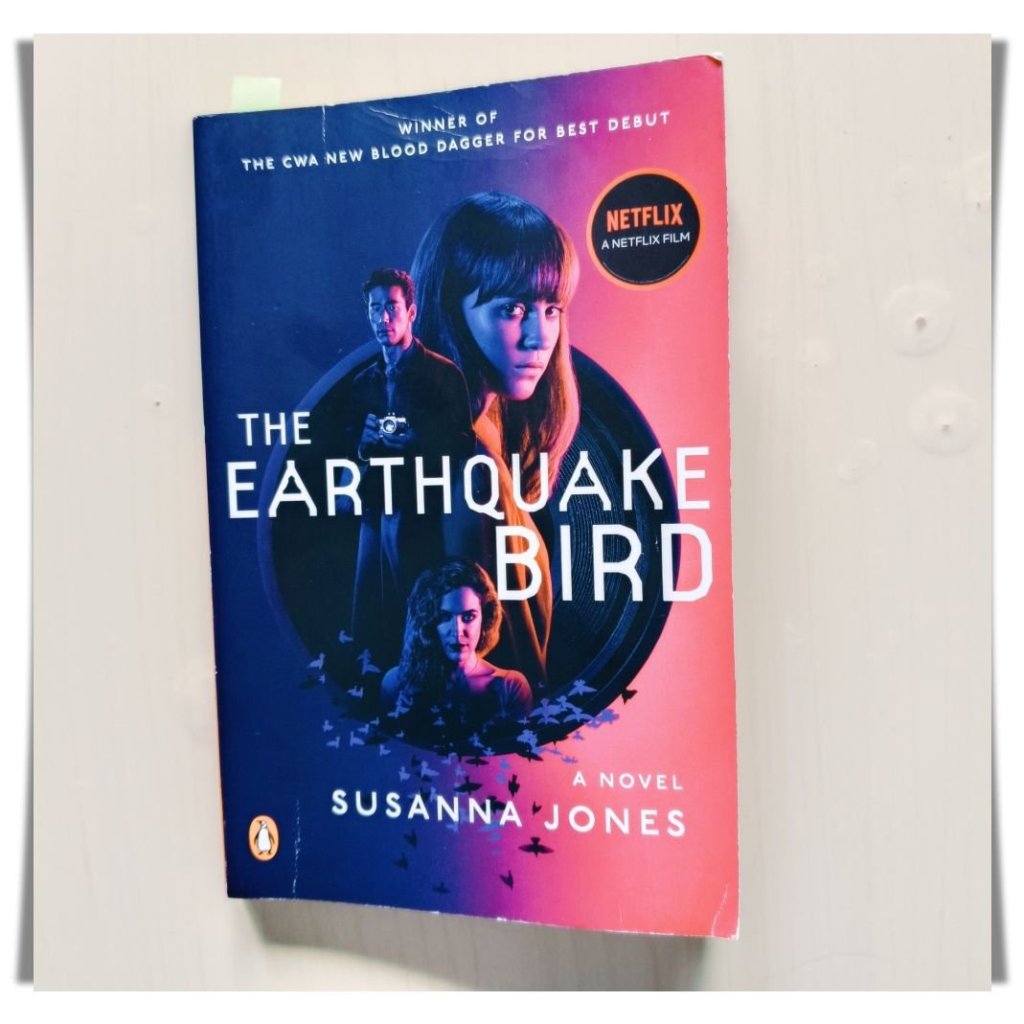
Last weekend, I finally had the chance to read Susanna Jones’s novel, The Earthquake Bird. It was a long-awaited opportunity. I watched the movie adaptation on Netflix back in 2019, and it left a lasting impression on me. I was enchanted by the haunting atmosphere, the layered characters, and the psychological tension. And that left me wanting to dig up the original source material. But since the novel was published in 2001, it was difficult to find a copy. That is, until recently. The second I discovered it, I knew I needed to revisit Lucy Fly’s story, this time in the author’s own words.
Reading The Earthquake Bird was an intense experience. The novel immerses you in Lucy’s fragmented memories and unreliable narration, plunging you deep inside her mind. As I turned the pages, I could feel her guilt, her isolation, and her complicated relationships with the people around her. The raw emotional force of Jones’s spare, precise prose lingers long after you close the book.
Plot Summary of The Earthquake Bird
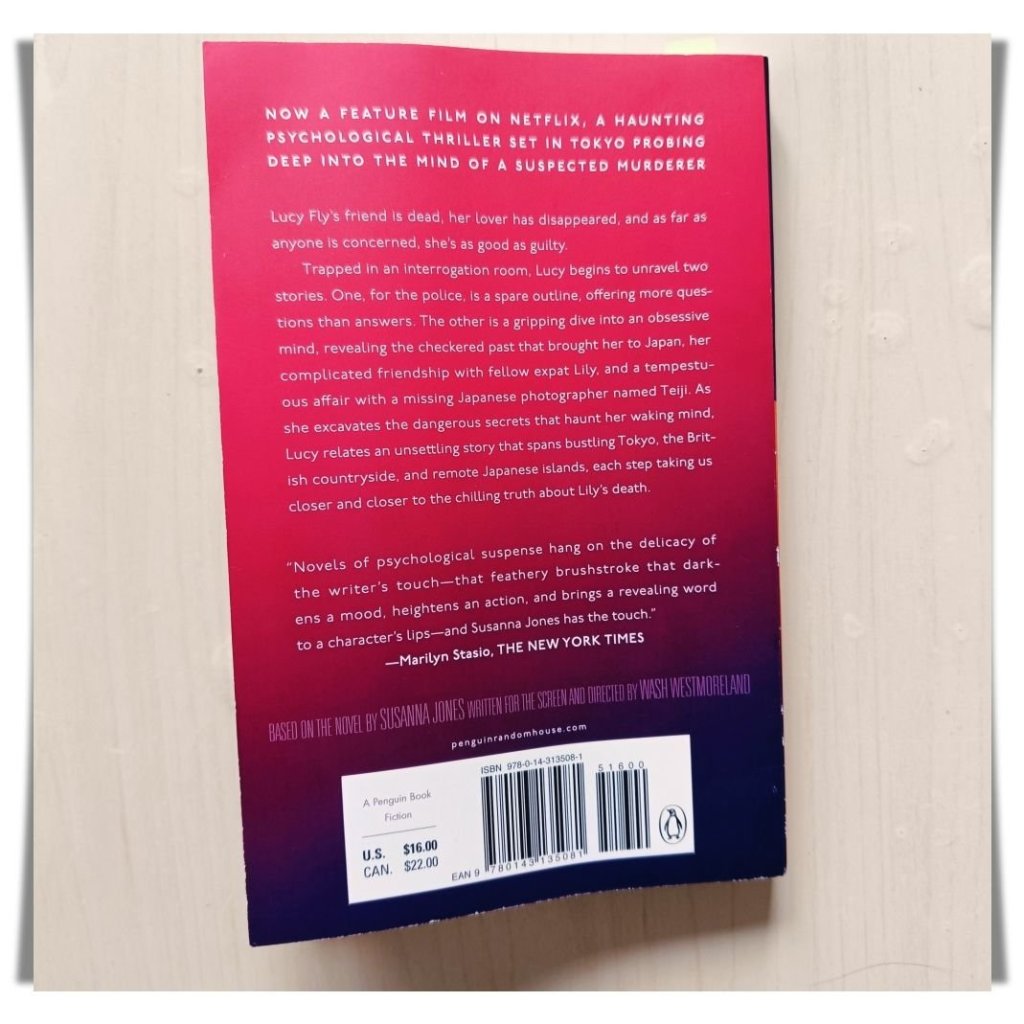
The Earthquake Bird is set in Tokyo, following Lucy Fly, a British expatriate who works as a translator and whose solitary existence is upturned when she becomes the prime suspect in the murder of fellow expat and her newfound friend, Lily Bridges. Lucy is the narrator, recounting her life, her entanglement with a mysterious Japanese photographer, Teiji Matsuda, and her intricate, troubled friendship with Lily.
The novel intertwines themes of guilt, cultural dislocation, and the indistinct boundary between love and obsession. The novel unfolds through Lucy’s recounts of the events leading up to Lily’s death, but her memories are disjointed and unreliable, leading readers to wonder how much of her version of reality can be believed. With its haunting atmosphere and complex character dynamics, The Earthquake Bird is as much a psychological portrait as a murder mystery.
Lucy’s Third-Person Narration
One of the most striking aspects of the novel is Lucy’s tendency to refer to herself in the third person when recounting her past. This shall seem, at first, an odd and disorienting narrative choice. But as I delved further, it was obvious that this was a conscious mirroring of Lucy’s psychological state. Her disconnection from her own memories reflects her emotional detachment, a coping mechanism she’s developed through her traumatic experiences and unbearable sense of guilt.
Lucy’s belief that she brings disaster and death to those around her is a recurring theme. She bears the burden of past tragedies, believing she is somehow to blame. This third-person narration creates a distance between her present self and her past actions, as though she’s attempting to disassociate from the person she used to be. This narrative technique enhances the haunting quality of the novel, immersing readers in Lucy’s splintered self.
The Mystery of Teiji
Lucy’s relationship with Teiji is at the core of the story, and it is as mysterious as the man himself. Despite being his girlfriend, Lucy realizes how little she truly knows about him. She doesn’t even know his last name. Surprising moments like Teiji’s casual mention of his love for mopping floors and washing up, or Lucy’s hearing him sing, remind us that people are always more complicated than we imagine. There are facets of Teiji that remain hidden from Lucy, even after they’ve spent a great deal of time together.
This realization resonated with me deeply. It’s a humbling reminder that we never fully know someone, no matter how close we are or how long we’ve been in each other’s lives. People have depths, and their inner worlds often remain a mystery. For Lucy, this lack of understanding becomes both a source of fascination and frustration, adding tension to their already strained relationship.
Chapter 12: Grief and Betrayal
If I had to pick a favorite part of the novel, it would be Chapter 12. In this chapter, Lucy is grieving the loss of her lover while grappling with the emotional aftermath of Teiji and Lily’s betrayal. What most impressed me was the way Jones portrayed Lucy’s pain so subtly. The chapter doesn’t linger on Lucy’s heartbreak explicitly, but her suffering is all but tangible in every sentence. The emptiness that she feels, the way in which her world appears to collapse in on itself—it’s all there, woven into the fabric of the narrative.
Jones’s ability to evoke such deep emotions without resorting to melodrama is truly masterful. It made me feel Lucy’s pain as if it were my own. It’s a testament to the power of understated writing—show, don’t tell.
My Thoughts on Lily Bridges
Lily Bridges is a character that elicits mixed feelings. From the start, Lucy is wary of her. Lily’s wimpy, needy attitude irritates Lucy, and it’s not hard to see why. However, Lucy secretly relishes Lily’s need for her. For someone like Lucy, who frequently feels invisible and isolated, Lily’s dependence on her makes her feel smart and capable. This dichotomy makes for an intriguing dynamic between the two women.
But I couldn’t help but disapprove of Lucy’s decision to include Lily in her private time with Teiji. If I were Lucy, I’d be even more territorial. I would not feel good about the idea of my man getting too friendly with a female friend, especially someone I am not personally fond of. And still, Lucy’s decision to allow Lily into her world says so much about who she is. It reflects her desire for validation and her struggle to navigate the dynamic of friendship and intimacy.
A Story That Haunts You
The reason The Earthquake Bird is so compelling is because it tackles guilt and identity. Lucy’s perception of herself is that she is a natural-born destroyer, that her very existence brings harm to the people she loves. It’s a guilt that permeates all facets of her life, from her relationships to how she sees her own worth.
The novel also takes up the theme of cultural displacement. As an expatriate in Japan, Lucy sometimes feels like an outsider, caught between two worlds. This alienation only exacerbates her identity crisis, heightening the poignancy of her struggles.
Final Thoughts
Reading The Earthquake Bird was an unforgettable experience. Susanna Jones has created a haunting and provocative novel, with a protagonist of such complexity whose presence reverberates long after the last page has been turned. Lucy Fly is not a loveable character; she’s full of imperfections and fear, making her narrative even more relatable.
If you’ve only seen the Netflix adaptation, then I recommend checking out the book. Although the film impressively conveys the tone of the story, the novel is a deeper exploration of Lucy’s mind and the labyrinthine relationships that make up her landscape. It’s a story about guilt, love, betrayal, and the fragmented nature of identity—a story that lingers with you, quietly unsettling, long after you turn the last page.
I’ll be reviewing the Netflix adaptation in a separate post, where I’ll explore how the movie differs from the book and whether it captures the same depth and nuance. Now, though, I’m glad to have finally read the novel. It was worth the wait, and, I suspect, a story I’ll return to, discovering different layers and meanings each time I do so.
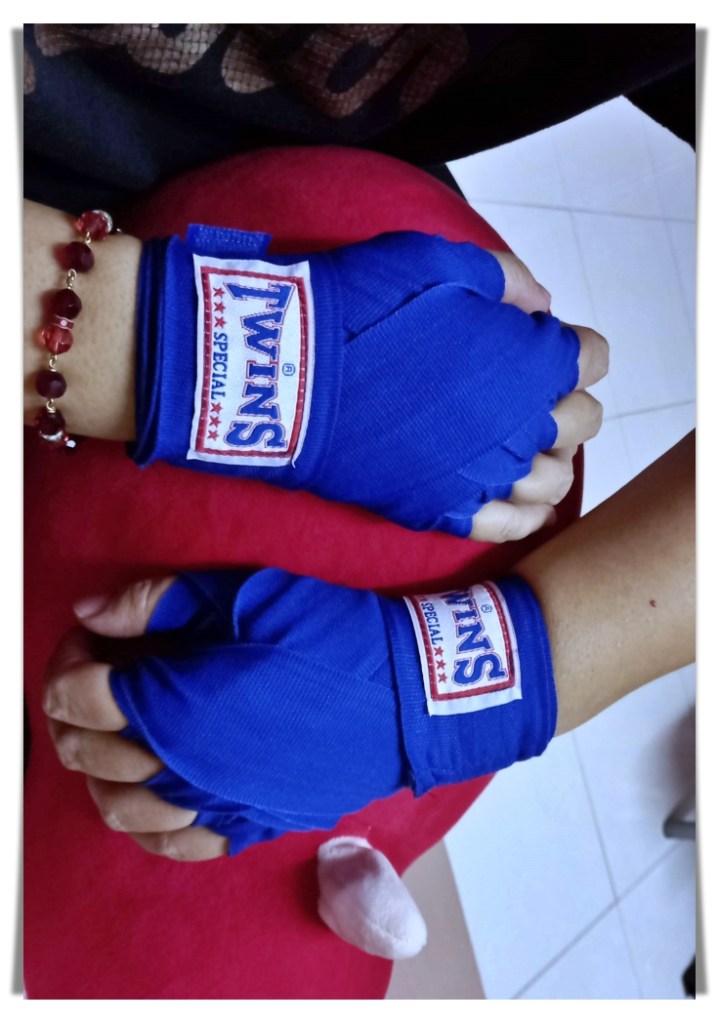
In 2021, I started doing boxing workouts, not to compete in fights, but to regain confidence in myself. It’s been my way of regaining energy, confidence, and joy. This mini story offers a little insight beneath that fire.
He walks with me to the gym, his hand brushing against mine every few steps. It’s enough to remind me that he’s here.
The sun has set low behind the trees, enveloping everything in that golden hour glow I like. The city noise fades. My hoodie clings to my lower back, and my skin feels warm before I’ve even thrown a single punch. I see him eyeing me out of the corner of his eye, like he usually does.
“You’re quiet,” I observe, glancing over.
He grins. “Just thinking how hot you look when you’re about to ruin someone.”
I roll my eyes but can’t control the smile that appears on my mouth. He knows. He’s seen me in the ring—gloves on, hair slick with sweat, arms sharp and fierce. He’s seen me transform into someone else. Or maybe become more of who I’ve always been, despite the weight of years, expectations, and softness I had to bear.
We pause at a bench near the entrance. I sit and sip my water. He leans on the railing next to me, close but not touching. He’s giving me space to breathe.
“I used to hate this body,” I mutter softly. “I used to think it wasn’t mine. Huge, heavy, thick in the wrong places.”
He does not interrupt.
“Boxing gave it back to me. I no longer care about losing weight. All that matters is the fire in my blood, the energy and power it gives me.
He turns to face me, his eyes serious. “It shows. The way you carry yourself now. “It’s… magnetic.”
I laugh. “Magnetic, huh?”
“Absolutely.”
I stand, slinging my towel over my shoulder. He leans closer.
“Try not to knock anyone out in there.”
“No promises.”
And then I walk in, knowing he’s watching. I know he’ll be there when I’m done. And I know too that I’ve already won something far more important than a fight.
And here’s a poem to accompany this story.
Grit
They said my body was a church. No, it was a battlefield— all pew and destruction. I learned to swing to pull breath from the edge of bruise, to let sweat baptize what shame could not. I fought like a searing fire, feral that dances, not soft or safe.
He watches, as if I was the last honest thing he’d ever lay eyes on.
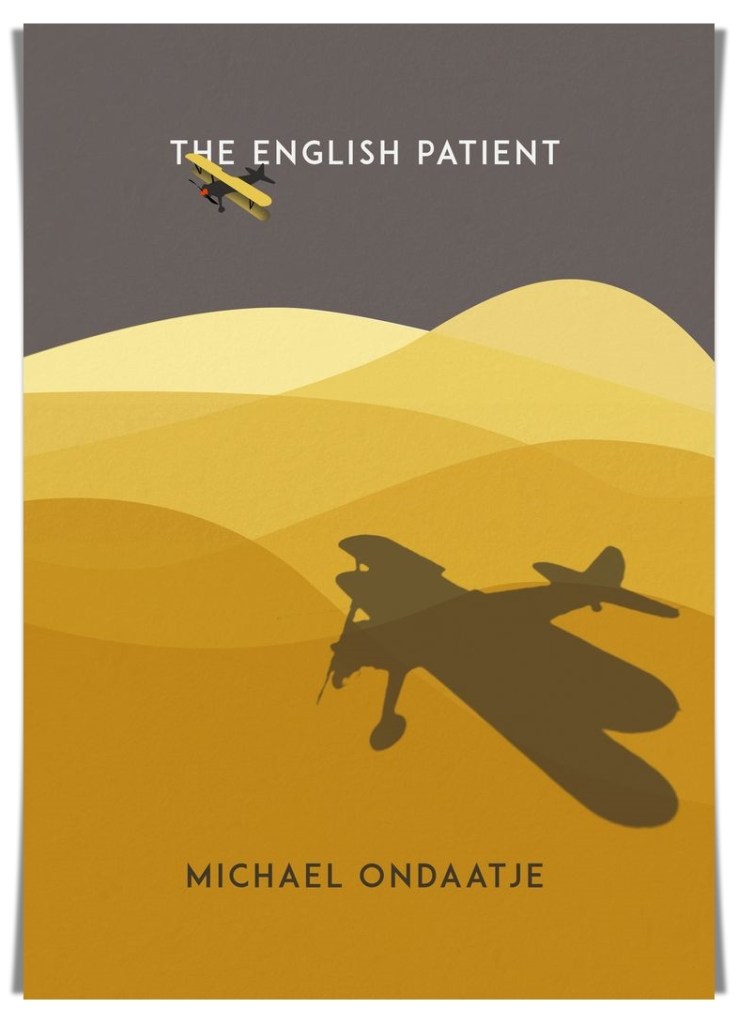
Some books become landmarks in your life. It becomes more than something you read when you return to its pages again and again, like a familiar scent or a half-remembered dream. For me, that book is The English Patient by Michael Ondaatje.
I got my copy in 1997 while waiting for my night shift to start. I was 20 at the time, working part-time while studying for my IT diploma. My shift began at 6 p.m. and finished at 6 a.m. the following day. After dinner, I went to a nearby bookshop and picked up the novel. The film adaptation was playing in cinemas at the time, but I didn’t watch it until years later. I read the book during my breaks at work, but it took me a long time to finish it.
Ondaatje’s prose was difficult. It didn’t care for neatness. The narrative was fragmented, the rhythm unpredictable—the whole narrative is a long lyrical poem. But I stuck with it, turning each page slowly, sometimes painfully. And I’m glad I did. While others found it disjointed, that was precisely what drew me in. It was too poetic for the mainstream, too fragmented for easy consumption, and too sensual for readers who prioritize plot. That’s what I enjoyed about it then—and still do.
When I went to university to pursue my IT degree, The English Patient became a silent friend. I read it during long, lonely afternoons in my hostel room as a soothing escape from the chaos of university life. Through Ondaatje’s pages, I could retreat to the worn walls of Villa San Girolamo, into the burned silence of the English Patient, and the sun-drenched memories of the Cave of Swimmers. I must have read the book ten times throughout the years.
The story unfolds in the same way that memory does: disorganized, sensory, and half-lit. We learn about the English Patient’s past before, during, and after WWII. Of Katharine Clifton and their forbidden love. Of Hana, the grieving nurse who cares for him in the villa. Of Caravaggio, the thief turned British spy with missing thumbs. Of Kip, a gentle Indian sapper who dismantles bombs and falls in love with Hana despite their cultural differences.
The patient’s only possession is a battered, annotated copy of Herodotus’ Histories that survived the flames when his plane crashed in the desert. The crash badly burned him and caused amnesia. He couldn’t remember his name and lost his identity, but his voice led many to believe he was English. In time, we learn he is actually László de Almásy, a Hungarian cartographer and desert adventurer. Almásy’s character is loosely based on a real-life counterpart, Count László Almásy, a Hungarian aristocrat and explorer.
I remember reading passages aloud to my lover during late-night chats. We watched the movie adaptation on VCD, but I hated it. It lacked the haunting lyricism of the novel. The lushness of Ondaatje’s words cannot be translated to screen. His sentences breathe, linger, and seep in. They don’t just move the story forward. They remain in you long after you finish the novel.
I haven’t read the book in years. Maybe it’s time to read it again. Some parts of me have changed; others haven’t. I suspect the story will read differently now, the way all great books do when you return to them older and bruised with life.
There’s one passage that’s followed me for years, so much so that I placed it on my About Me page:
“She had always wanted words, she loved them; grew up on them. Words gave her clarity, brought reason, shape.”
This quote refers to Katharine Clifton, but I feel it suits me as well.
There are many other lines that have stayed with me through the years. There are too many to list, but here are a few that still haunt me:
“We die containing a richness of lovers and tribes, tastes we have swallowed, bodies we have plunged into and swum up as if rivers of wisdom, characters we have climbed into as if trees, fears we have hidden in as if caves. I wish for all this to be marked on by body when I am dead. I believe in such cartography—to be marked by nature, not just to label ourselves on a map like the names of rich men and women on buildings. We are communal histories, communal books. We are not owned or monogamous in our taste or experience.”
― Michael Ondaatje, The English Patient
“I believe this. When we meet those we fall in love with, there is an aspect of our spirit that is historian, a bit of a pedant who reminisces or remembers a meeting when the other has passed by innocently…but all parts of the body must be ready for the other, all atoms must jump in one direction for desire to occur.”
― Michael Ondaatje, The English Patient
“Moments before sleep are when she feels most alive, leaping across fragments of the day, bringing each moment into the bed with her like a child with schoolbooks and pencils. The day seems to have no order until these times, which are like a ledger for her, her body full of stories and situations.”
― Michael Ondaatje, The English Patient
“This was the time in her life that she fell upon books as the only door out of her cell. They became half her world.”
― Michael Ondaatje, The English Patient
“In the desert the most loved waters, like a lover’s name, are carried blue in your hands, enter your throat. One swallows absence.”
― Michael Ondaatje, The English Patient
“Sometimes when she is able to spend the night with him they are wakened by the three minarets of the city beginning their prayers before dawn. He walks with her through the indigo markets that lie between South Cairo and her home. The beautiful songs of faith enter the air like arrows, one minaret answering another, as if passing on a rumor of the two of them as they walk through the cold morning air, the smell of charcoal and hemp already making the air profound. Sinners in a holy city.”
― Michael Ondaatje, The English Patient
The English Patient is not a book you finish or a book you can read casually. It’s a book you carry, absorb, and savor.
And I’ll keep returning to it.
As long as I need to remember how language can ruin you.
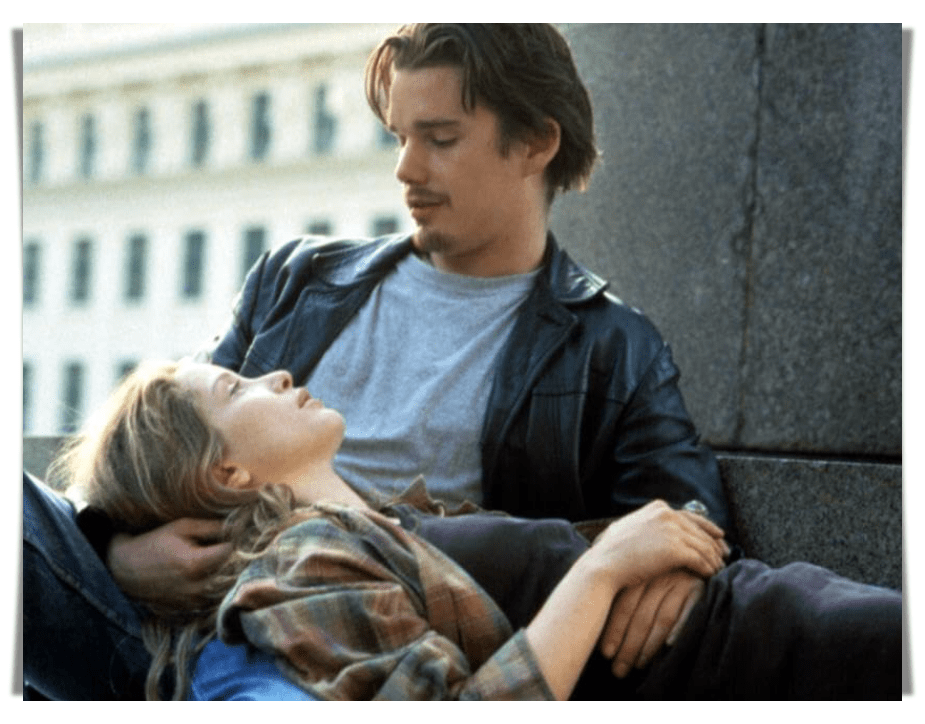
If I could be a character from a book or film, I would be Celinefrom the Before Trilogy. Yes, I’d love to be Celine—Julie Delpy’s character in Before Sunrise, Before Sunset, and Before Midnight.
Those films stayed with me for many years since I discovered Before Sunrise in the early 2000s. That movie was released in 1995, a year after Reality Bites—another hit movie starring Ethan Hawke. Its sequel, Before Sunset, was released nine years later in 2004, and the final installment, Before Midnight, another nine years later in 2013.
I adore the trilogy for its dreamy long walks, the poetic ramblings, the agonizing feeling of time passing, and also Celine’s character development. In Before Sunrise, she begins as a charming, idealistic Sorbonne undergraduate, wide-eyed and open-hearted. She was sweet and willing to talk to an American traveler, Jesse Wallace (Ethan Hawke), on a Eurail. They disembarked in Vienna to spend the night together and explore the mystery of what-if.
And then nine years pass.
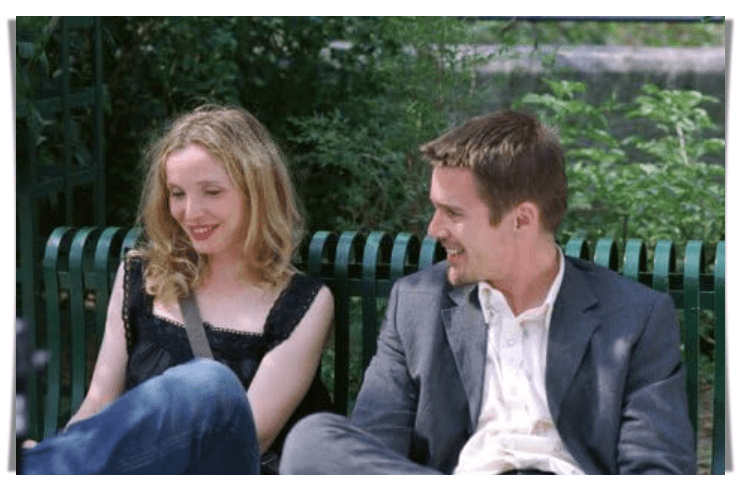
By Before Sunset, she has grown sharper. Her voice is steelier, and her eyes are more guarded. Life has touched and damaged her in many ways. But behind it all, she has the same curiosity, the desire to comprehend life, and what it means to belong to someone or not at all. Jesse is married and a writer now and has published a book about his experiences that fateful night nine years ago. Celine shows up at his book reading in Shakespeare & Co., watching and listening to him from the side of the room. And then their eyes met. That scene always gets me.
“I always feel this pressure of being a strong and independent icon of womanhood, and without making it look my whole life is revolving around some guy. But loving someone, and being loved means so much to me. We always make fun of it and stuff. But isn’t everything we do in life a way to be loved a little more?”
― Julie Delpy, Before Sunrise & Before Sunset: Two Screenplays
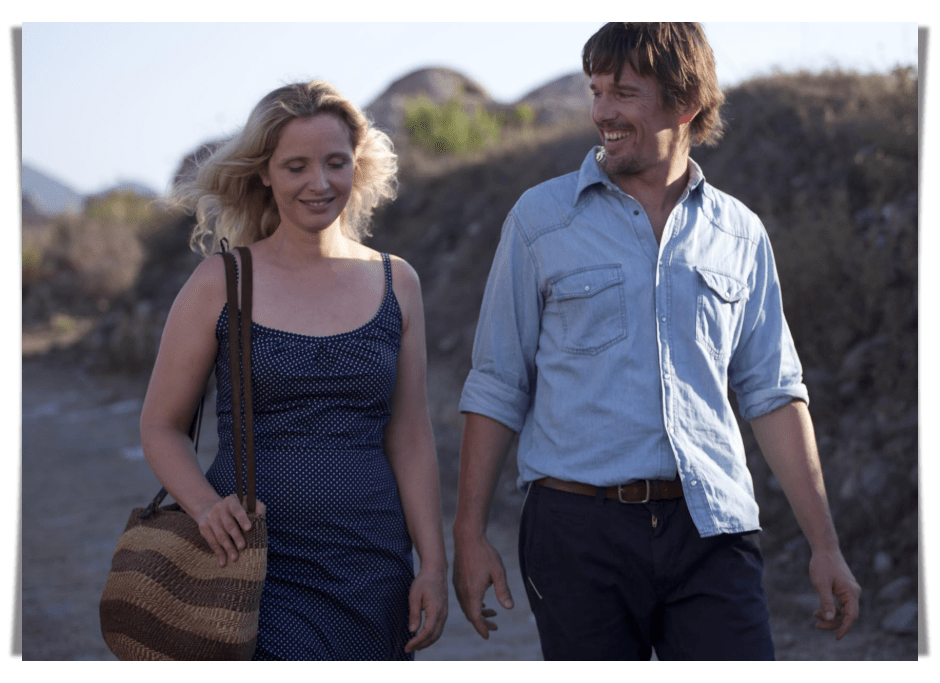
Then came Before Midnight, another nine years later. Celine and Jesse are now in their forties and parents to twin daughters. Their conversations are no longer romantic musings under moonlight, but fueled by the reality of parenthood, aging, and the jadedness that settles into long-term love. They’re on holiday in Greece, but even the beautiful scenery can’t hide the fractures that have begun to appear. There’s tension, resentment, and emotional exhaustion.
They take long walks and talk like they always have, but their conversation is no longer about dreams and philosophies. Now they talk about regret, sacrifice, and voids that love couldn’t fill. There’s a scene in a hotel room that feels like a slow, approaching storm. You begin to wonder, did Jesse cheat on her? Did Celine ever fully forgive him? Did they lose parts of themselves in choosing to stay?
Despite their love, it’s evident that love isn’t always enough.
Perhaps I see myself in her because I, too, often live in my head. I question everything—especially love. I pay attention to details and cherish them.
“You can never replace anyone because everyone is made up of such beautiful specific details.”
― Julie Delpy, Before Sunset
I remember moments long after they have passed. I try to appear sensible, but I’m a huge romantic underneath it all. Like Celine, I struggle with guilt, restlessness, and the anguish of wanting something elusive. And like her, I strive to be honest, even if it hurts.
In another life, I could see myself in Paris. Walking by the Seine, notebook in hand, or perhaps sitting at Shakespeare & Co. with cold coffee beside me. I aspire to visit that bookstore one day. Just stand there and breathe in the pages.
Celine isn’t perfect. She’s charmingly imperfect, impetuous, and multifaceted. But she’s also deeply present. She listens and sees people. Perhaps it’s what I admire most about her—she doesn’t run from questions. She asks, even if there are no answers.
“I believe if there’s any kind of God it wouldn’t be in any of us, not you or me but just this little space in between. If there’s any kind of magic in this world it must be in the attempt of understanding someone sharing something. I know, it’s almost impossible to succeed but who cares really? The answer must be in the attempt.”
― Julie Delpy, Before Sunrise & Before Sunset: Two Screenplays
And, if I could become her for a while, I wouldn’t do it for the romance or the cities. I’d choose it because of the way she continues to ask, feel, and try—even when the answers are ambiguous and love falters.
That is exactly what I’m hoping for as well.
To keep on walking. To keep on asking. To keep on becoming.













 Olivia's Atelier