Inheriting Courage From My Warrior Ancestors

When I close my eyes, memories rise like smoke from a dying fire. I can still hear the gendang’s beating and my family’s joyful chatter from Gawai. I was ten years old and surrounded by the warmth of my people. The elders shared stories of our ancestors—Orang Kaya Pemancha Dana Bayang, Aji Apai Limpa, and Nakhoda Panglima Budin Gerasi—all courageous warriors of great renown. That courage, I’ve been told, is in my blood. But what does that mean in a place so far removed from their reality?
Oplus_131072

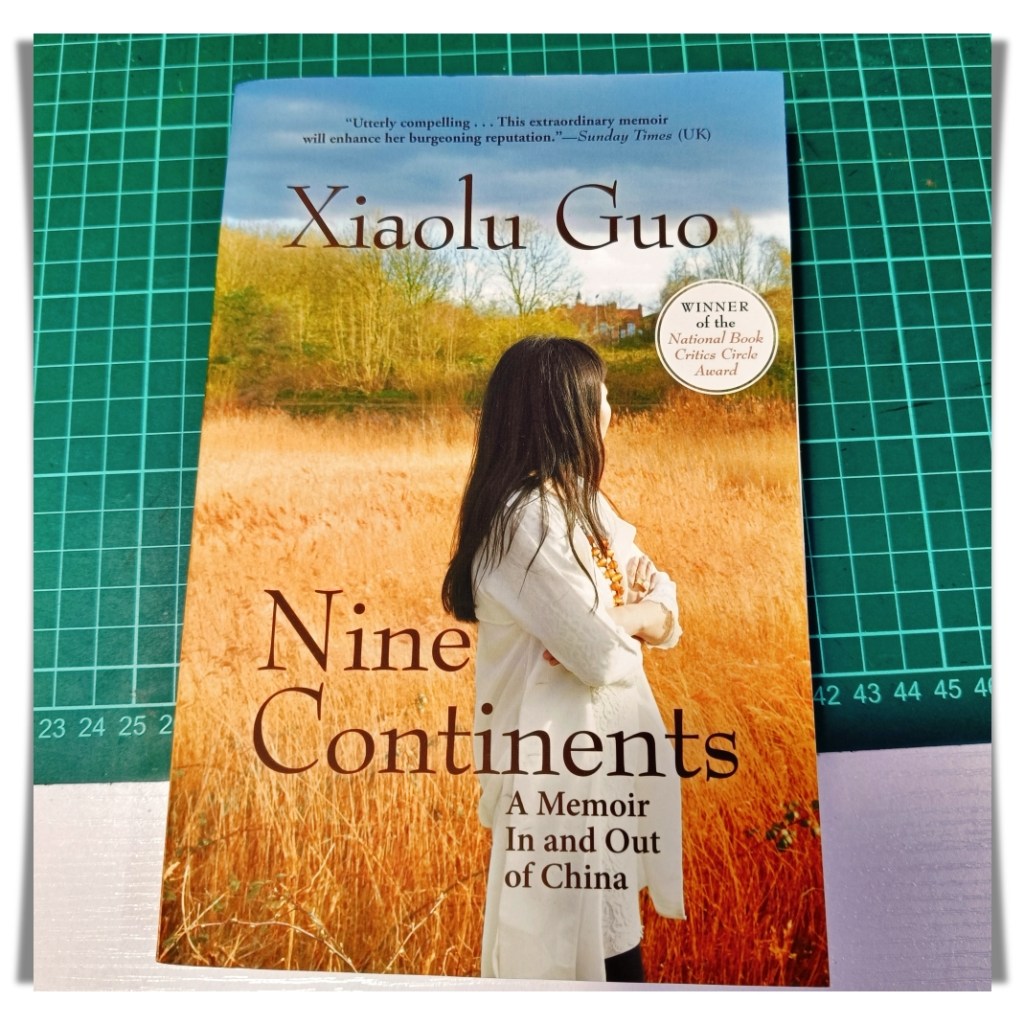
I’ve recently been reading Xiaolu Guo’s Nine Continents: A Memoir In and Out of China. Her exploration of identity, displacement, and cultural heritage resonates deeply with me. Xiaolu often addresses issues of alienation and belonging in her works, and she has become one of my favorite authors. Her writing inspired me to think about my own journey, which led me to write this post.

Our Warrior Culture

The Iban were famed for their warrior culture, defined by war expeditions and headhunting. It was once an important aspect of our spiritual beliefs and society framework. To be Iban means to be a warrior. Headhunting was not a barbaric pastime, as outsiders may believe. It was a necessary way of life since it signified protection, honor, and a connection to the spirit realm. While the act itself faded into history, the essence of the courage has been passed down through generations.

I often asked myself, “What remains of the warrior spirit?”. Sometimes it feels like a quiet force pushing me forward. In moments of difficulty, I draw on the courageous spirit of my ancestors. Their legacy reminds me that I have the strength to persevere in the face of overwhelming odds. Perhaps it is genetic memory, the invisible link that ties me to my ancestors and passes down the legacy of courage across generations.

The Loss of Tradition

However, bravery alone cannot fill the gaps. Living in urban places like Kuala Lumpur has distanced me from the traditions that constitute my identity. When my extended family embraced Christianity in the 1950s, it marked a shift from animistic beliefs. Urban living also entails replacing the communal life of the longhouse. Many other aspects of our culture are disappearing, such as the extensive oral poetry tradition.

I am caught in a dilemma. On the one hand, I value the opportunities and conveniences of modern living. On the other hand, I mourn the loss of vibrant traditions that shaped our way of life. These losses make me wonder how we can honor the past while embracing the present.
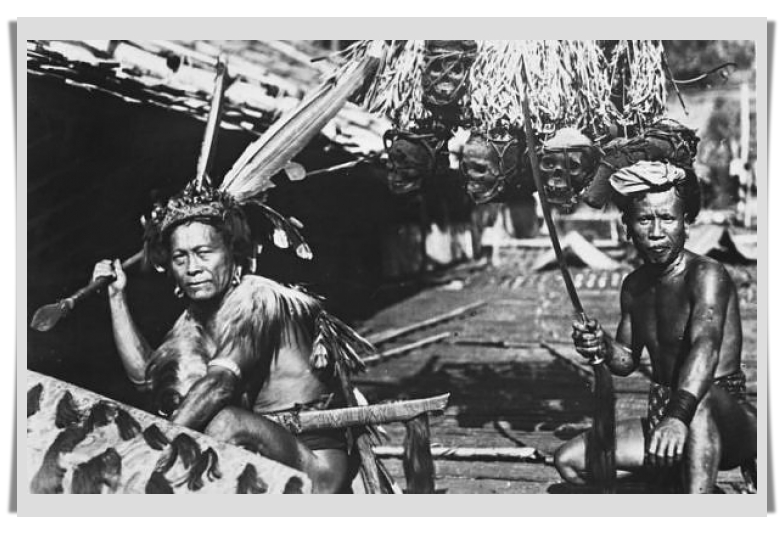
Image source The late Temenggong Koh (left), one of the last Iban warleaders of the 20th century, before headhunting was completely outlawed by the British colony.

The Sense of Alienation

Life in the city often exacerbates this disconnection. Here, I am just a fragment of an Iban: a name that suggests a foreign land, a face that others might find unfamiliar. When people ask where I’m from, my responses may seem inadequate. How can I explain a longhouse? Or, even if I can explain it, how do I dispel their misconception that modern Ibans still live on trees and wear loincloths? How can I explain our different Gawai, or traditional festivals, when they typically only celebrate one or two holidays, like Eid or Lunar New Year? However, in the heart of this alienation, I’ve realized that identity is not static. It is a fluid interplay of past and present, shaped by our decisions and circumstances.

Strength Through Cultural Roots

Nonetheless, I remain connected to my roots. They are not always visible, but they are present. My ancestors’ courage motivates me to face my fears and embrace the unknown. The warrior spirit is not a relic from the past but rather a driving force in my life today.

During difficult times, I found myself returning to the stories of my ancestors. They endured jungles, battles, and scarcity. I remind myself of their tenacity—if they can endure, so can I.

The loud proclamation of success does not equate to strength. Perseverance and the ability to adapt without forgetting are qualities that define strength. The warrior spirit is about enduring in a world that often forces us to forget who we are.

Preserving Tradition

My original poem from Sarawak collection of poetry

Poetry has been one way for me to preserve my culture. Writing has become a means of connecting the past and present, who I was and who I am becoming. It allows me to hold onto what feels like it’s slipping away.

I aspire to one day publish my poems and leave a legacy for my children. When the time comes for them to discover their roots, I hope my words will serve as a guide, helping them understand who they are and where they came from. Writing allows me to keep the stories alive as the world around us changes.

My identity is a patchwork of memories, stories, and dreams. I am neither fully of the past nor fully of the present. But maybe that’s what it means to be Iban today: to walk on a bridge, perpetually caught between two realities.

I am part of something bigger than myself, a heritage of power, fortitude, and endurance. While I may live far away from my people’s homeland, the essence of my heritage lives on, molding my journey and grounding me in a world that is often divided.

I carry the warrior spirit with me because I am descended from people who endured. So I take a step forward, not knowing where the journey will take me, but knowing it is worthwhile. Like the warrior spirit that runs through my blood, this journey is not always easy, but it is always worth it.
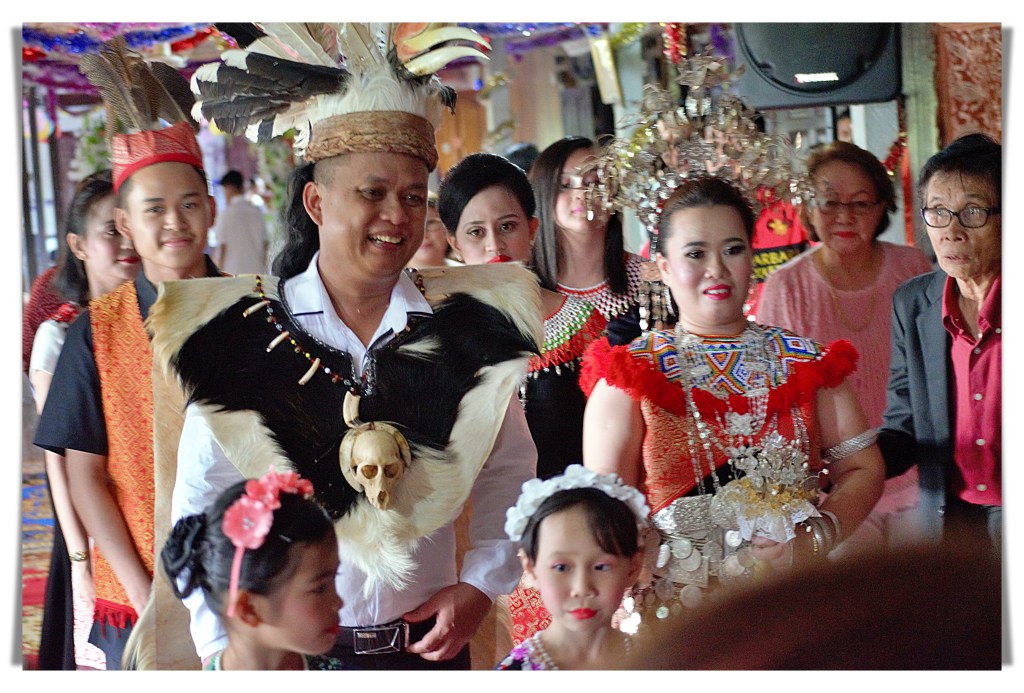
My cousin’s traditional wedding.
Reflection | Hidden Costs of Our Digital Lives

Lately, I’ve been thinking about something that pricks at my conscience—the hidden costs behind the things we do, even in moments that seem harmless. This thinking came about after I read an article in Forbes that said that AI is depleting the world’s scarcest natural resource, which is water. This is due to water being needed to cool the cooling systems to dissipate heat in data centers. And it’s not just AI; it’s the entire digital ecosystem. Every time we scroll through social media, stream videos, send emails, or even update this blog, data centers are working in the background, consuming energy, and using water for cooling. It feels harmless, but in reality, it’s not.

It’s strange, isn’t it? The idea that even our most intangible connections have a footprint.

At first, it disturbed me. I feel a lingering sense of guilt knowing that something as simple as writing, chatting, or even creating art online comes with a hidden cost. But then the more I reflect on it, the more I realize how much of life is built on similar contradictions. Take fast fashion, for example. It’s cheap, chic, and readily accessible almost everywhere, but at what cost? Somewhere in the world, cheap labor is working behind the scenes. Another example: plastic. Our modern life can’t survive without plastic. It’s so convenient to wrap our food and make life easier, but it ends up polluting our oceans, landfills, and eventually our bodies with microplastics that destroy our health.

We live in this web of contradictions where convenience often comes at an unseen price. And the hardest part is we can’t always escape it. Does it make us hypocrites? Maybe. Or maybe it just makes us humans who are stuck in a system we didn’t fully choose but still need every day.

But here’s where I found a sense of peace in all this. I can’t avoid all harm because, let’s face it, that’s almost impossible. But I can balance it. How? I’m not speaking for anyone else but myself. I can write and make art online with deeper purpose because knowing that even if it uses energy and resources, I can leave something meaningful behind. Words that comfort, art that connects, ideas that make someone feel seen. That’s how you and I can give back.

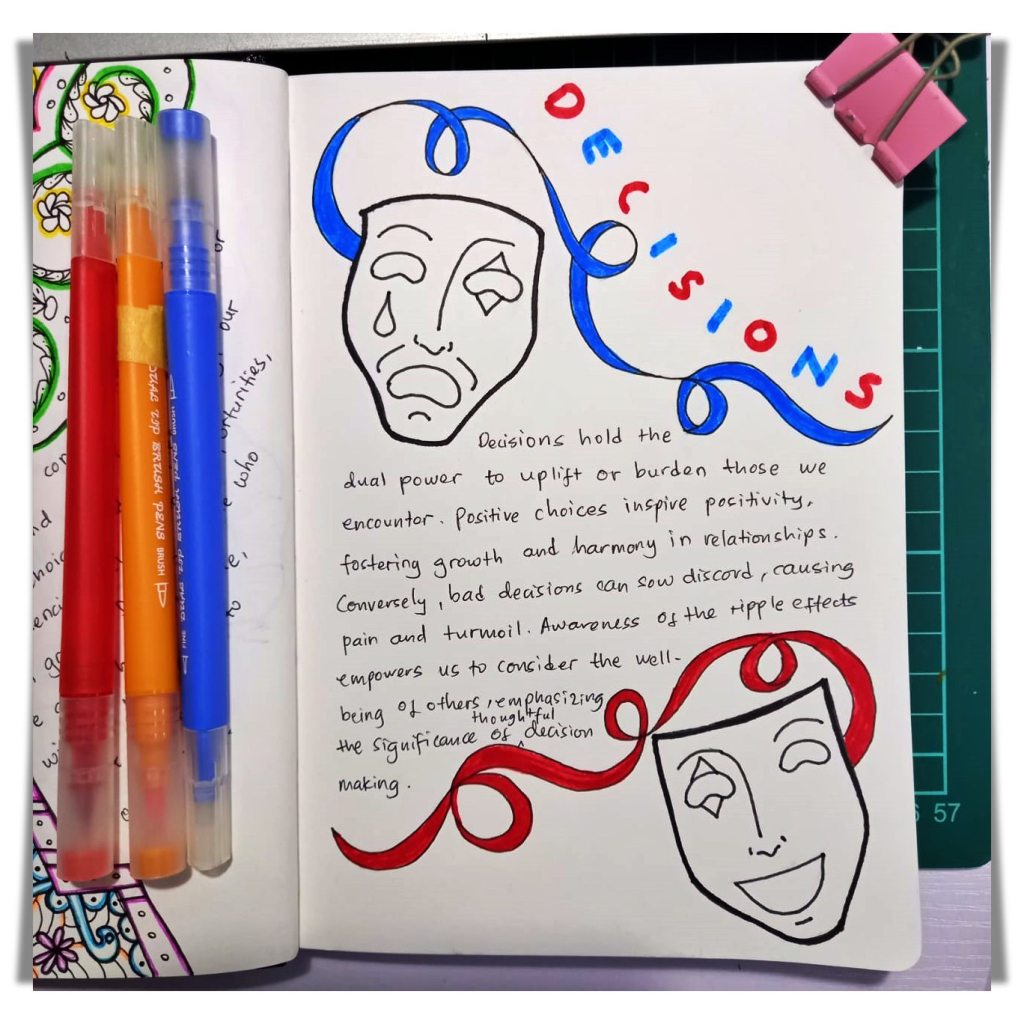
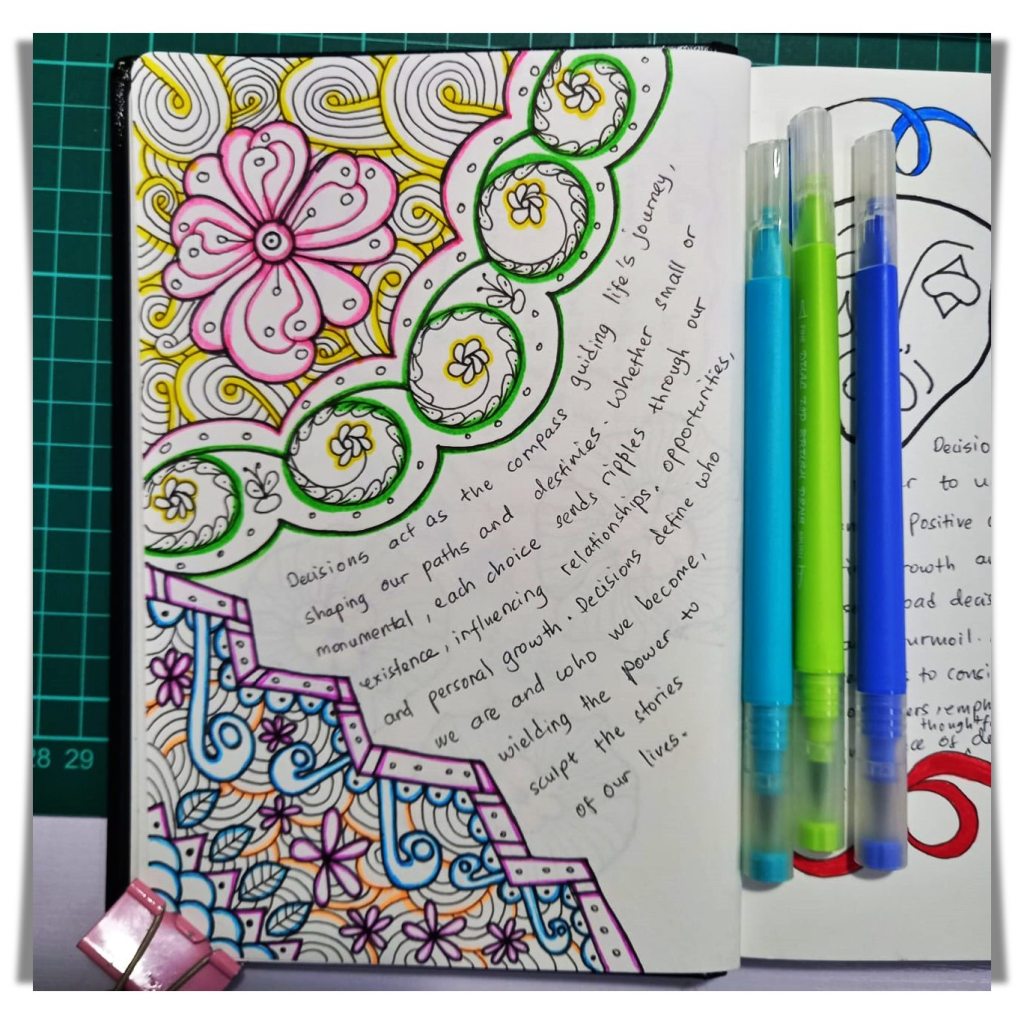
I think about my poetry art, my drawings, and how they carry pieces of my Iban heritage. If they can spark reflection or connection, then maybe they’ve earned their place.

I can choose to create with intention. If what I write and what I draw can offer someone a sense of understanding, comfort, or even just a moment of reflection, then maybe the cost feels more balanced. It’s like planting something in overused soil and hoping it takes root.

So yes, my writing on this blog or wherever I exist online, they do take something from the world. But I can use them for good and give something back. And that’s the kind of balance I want to aim for.

What about you? Have you ever thought about the hidden costs behind the things you do online or consume? And how do you find peace with it?

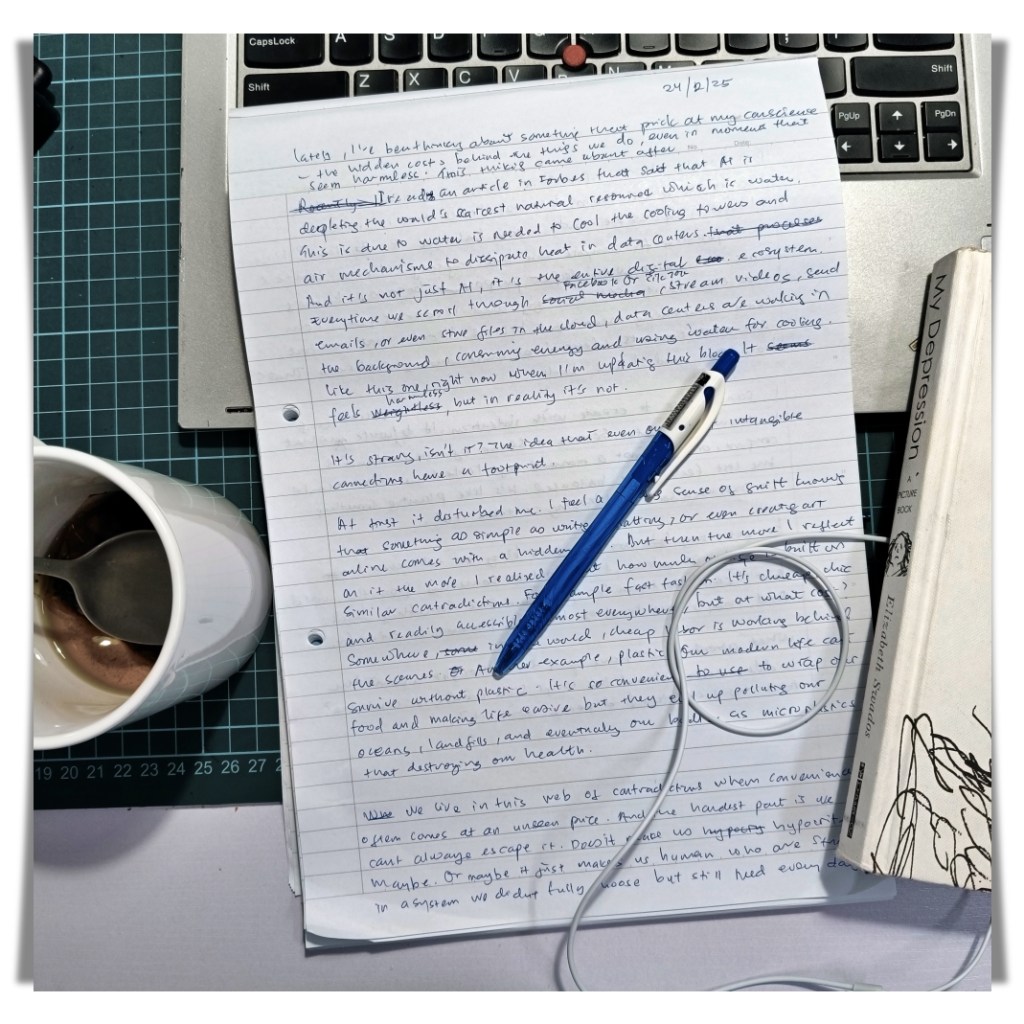
The handwritten draft of this post, the book I currently read, and a cup of cool tea.

Becoming Me | A Journey Through Love, Heritage, and Doubt

Daily writing prompt
What experiences in life helped you grow the most?

It’s funny how the experiences that change us the most often slip by quietly. There is little fanfare, and we rarely recognize them until much later. However, in retrospect, I can trace my growth to the struggles and the soft, persistent ways life nudged me forward.

I believe it started with loneliness. Growing up, I often felt invisible and alone. I wasn’t the most outgoing, pretty, or popular. I was just…there, among other outstanding siblings and peers. It’s strange, but loneliness formed the foundation of who I am now. It taught me to listen to both myself and others. It taught me to be more observant and sensitive to details that most people overlook, which I now use in my art and writing.

Then later came love. It was messy, imperfect, but glorious nonetheless. My relationship with my husband—my lover—has been one of my biggest teachers. We’re opposites in so many ways, and those differences have forced me to stretch, to compromise, and to forgive. Being married this long (two decades), going through joys, heartbreaks, financial strains, and raising kids has all been a daily practice of choosing love, even when it’s hard. Especially when it’s hard.

However, I believe that reconnecting with my Iban roots has been the most transforming experience for me. For a long time, I felt detached from my cultural identity, as if I were witnessing it from afar. It was not intentional. Life was tugging me in different directions. But being a mother changed that. I realized how much I wanted my children to know where they came from. I want them to learn and feel that deep connection I had almost let go of. Teaching them about my Iban heritage has been like teaching myself again by rediscovering the stories, the poetry, and the parts of me I had tucked away.

I am currently working on a collection of poems that explores my Iban roots and traditions, weaving together memories, folklore, and the cultural theme that continues to shape who I am today.

And then there’s the lifetime of inner journey: the insecurities, the doubts, and the fear of not being good enough. Those have been some of my hardest teachers. I’ve struggled with impostor syndrome more times than I can remember, particularly when it comes to my art and writing. Moments such as being harshly criticized for lack of originality, feeling misunderstood, or being dismissed had a deep effect on me. But these experiences also pushed me to create a space where I feel free without fear of judgment, like starting this blog.

All of these experiences—loneliness, love, the return to my Iban roots, and issues with self-doubt—have influenced me the most. These experiences didn’t come with shiny lessons, but they taught me to be more compassionate, patient, and a little kinder to myself.

I’m still growing and figuring things out. But if there’s one thing I’ve learned, it’s that growth doesn’t always happen in the big, loud moments. Sometimes it is in the moments you least expect, gently nudging you forward, one tentative step at a time.

The Advice I Needed as a Teen (And Still Do Sometimes)

Daily writing prompt
What advice would you give to your teenage self?

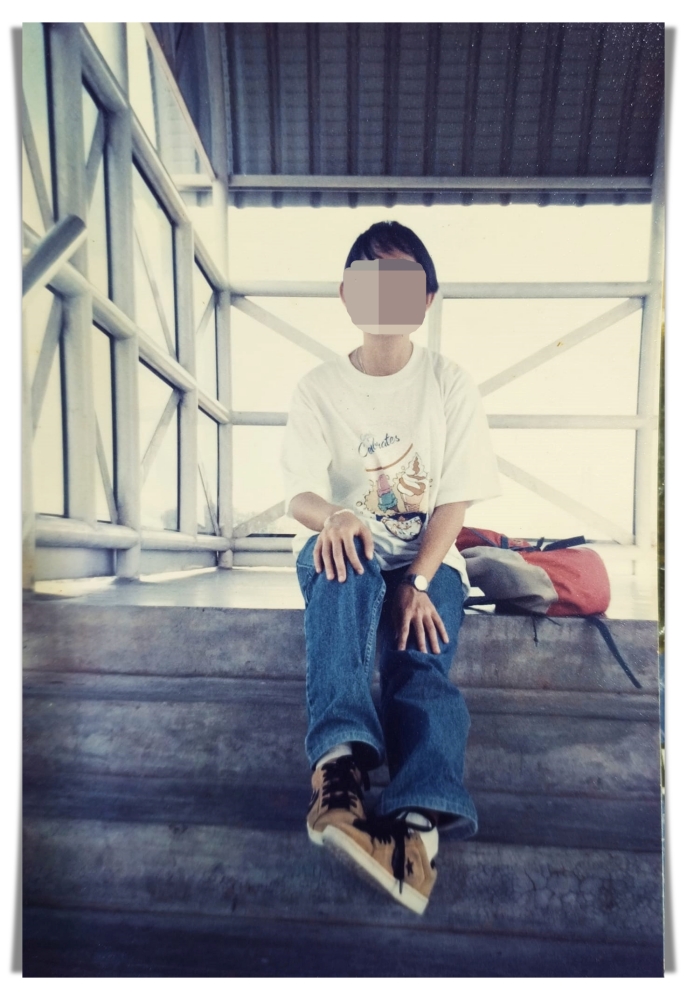
If I could go back and sit beside my geeky teen self, I think I’d reach out, touch her cheek, and say this:

“You are enough, just as you are.”

I know she wouldn’t believe me right away. She’d probably frown and give me that skeptical side-eye, thinking I was just being nice. But I’d say it again, assuring her I’m not being cheesy, hoping it would sink into her heart and seep through her doubts.

“You don’t need to be prettier, louder, or more extroverted to be seen or loved. Your sensitivity, the depths you hold, the way you notice the smallest details, and the emotions you feel so deeply: they are not to be ashamed of. They are your gifts.”

When I was growing up, I often wondered why people liked me. I didn’t see what they saw. I wasn’t the popular kid, or the prettiest, gentlest girl, and I definitely wasn’t the life of the party. I was scrawny, awkward, quiet, and always second-guessing myself and my decisions. I spent so much time trying to figure out what made me special.

I’d tell her this too: “Don’t waste time wondering why others like you or if you’re worthy of it. You are worthy just as you are. Let yourself be vulnerable without feeling weak. Let yourself dream without fear of not being good enough.”

There were so many time when I felt like I was running, desperate to catch up, to fit in, to be noticed, to be the best. I’d want her to know she could stop running and start breathing.

I’d tell her, “Trust your voice because it will take you places you never imagined. And when the world feels overwhelming, turn to the things that make your heart sing—music, poetry, art. They will remind you of who you are when you feel lost.”

If I could give my teenage self anything, it would be that sense of peace. The peace that gives her understanding that she didn’t need to constantly strive to be more. She was already enough and complete. And maybe, just maybe, hearing that would have made her journey a little gentler.

So, if any of you are reading this and feel like you’re still that teenager inside, this is for you too:

You are enough, just as you are.

What Bores Olivia? (From Her Lover’s Perspective)

Daily writing prompt
What bores you?

What bores me? Instead of answering the question like others did, I sent it to my lover to check how well he knew me. He said he’d send the responses via email since, in his words, “you’re a lot to handle.” 😂. Here are his answers, edited for clarity.

Perfection

What is the first thing that comes to mind? People who appear to have everything together: always happy, always in control, and never a hair out of place. You can’t bear it. It bores you because it feels so fake. You seek authenticity, those raw, unpolished moments that reveal who someone truly is. You’re not really interested in perfection. You are drawn to the faults and weaknesses that make someone real.

Small Talks

If someone wants to quickly lose your attention, they can engage you in small talk or any other surface-level conversation. Talk about the weather for too long, or go on about a reality program without getting into the underlying issues, and you’ll mentally fade out. You desire depth. You like discussions about emotions, dreams, fears, and everything in between.

Playing It Too Safe

It’s not that you despise routine and predictability. You thrive on them. What bores you is when individuals live too conservatively, never taking risks or venturing outside of their comfort zones. When someone lives their life strictly by the book, avoiding adventures and fresh experiences, it feels stagnant to you. You like those who embrace spontaneity, take risks, and are prepared to stray from the usual path.

Lack of Authenticity

This one relates to the perfection part, but it goes deeper. You despise fakery, whether it’s someone claiming to be someone they aren’t or stuff that shouts “look at me!” with no true substance. You require honesty, even if it is messy or uncomfortable.

Indulging in Fluff

Scrolling endlessly through social media, surrounded by polished perfection and trendy fluff? You become bored quickly. You enjoy thoughtful material because it challenges you to think, feel, or even question your own perspectives. Fluff without substance is simply pointless.

Surface-Level Relationships

This is a big one. You’re not wired for shallow connections. You desire depth and honesty in your relationships, and when someone keeps things light and never reveals their actual self, you lose interest. You seek the deep, real connections that result from being open and authentic.

Indecisiveness and Selfishness

Especially in men. This is a huge turnoff for you. You admire those who understand themselves and can make difficult decisions. But indecisiveness combined with selfishness? That combination is more boring than anything else.

Obsession with Outward Success

Nothing turns you off faster than those who solely care about outer appearances such as physical beauty, riches, high-paying jobs, position, and titles. You find it shallow and tiring when someone’s self-worth is primarily based on their accomplishments or appearance. You feel there is far more to a person than what appears on the surface or on paper.

At your core, Olivia, you want depth, honesty, and authenticity in people, conversations, and life itself. You want to experience something genuine, even if it is chaotic, confusing, or imperfect.

So that are his answers. Some may redundant but you know what? He got it right 😍🥰😘💋

My Black Converse High-Tops and the Stories They Carry

Daily writing prompt
Tell us about your favorite pair of shoes, and where they’ve taken you.

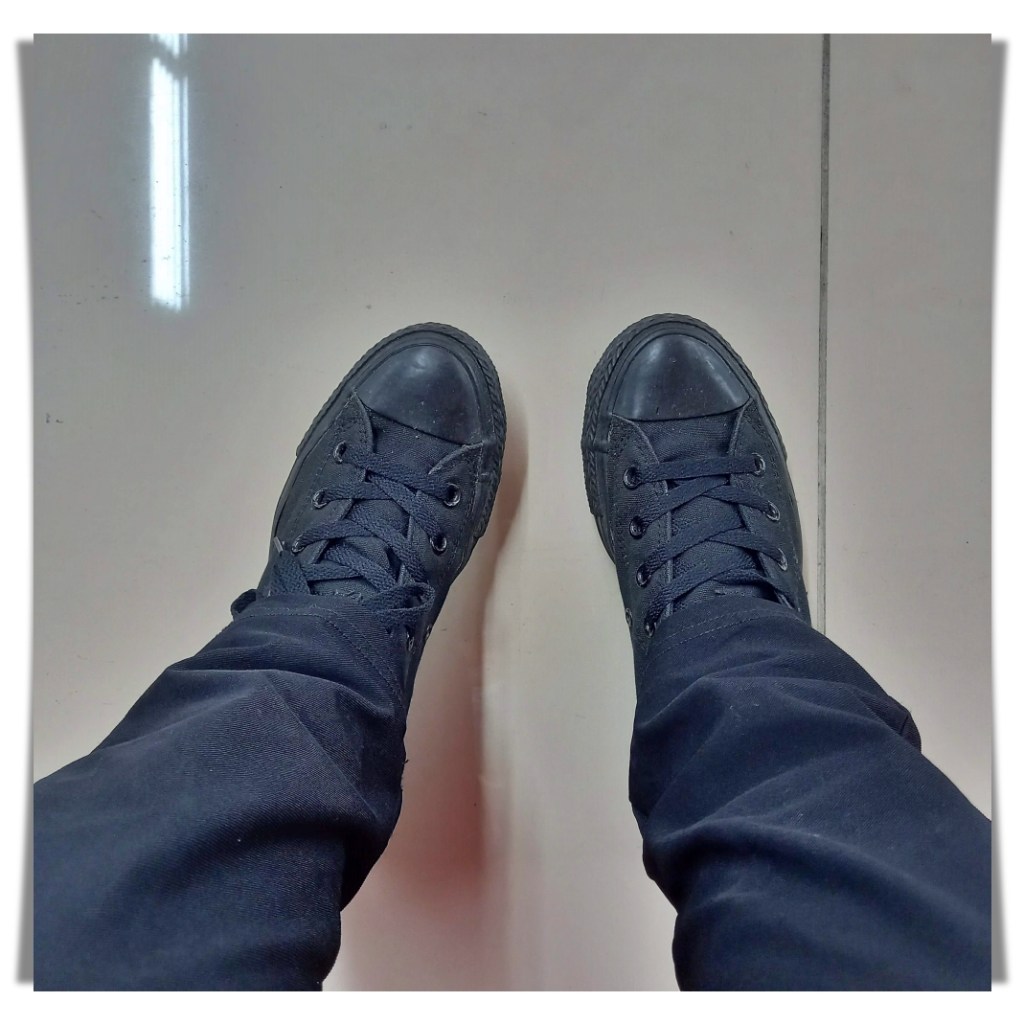
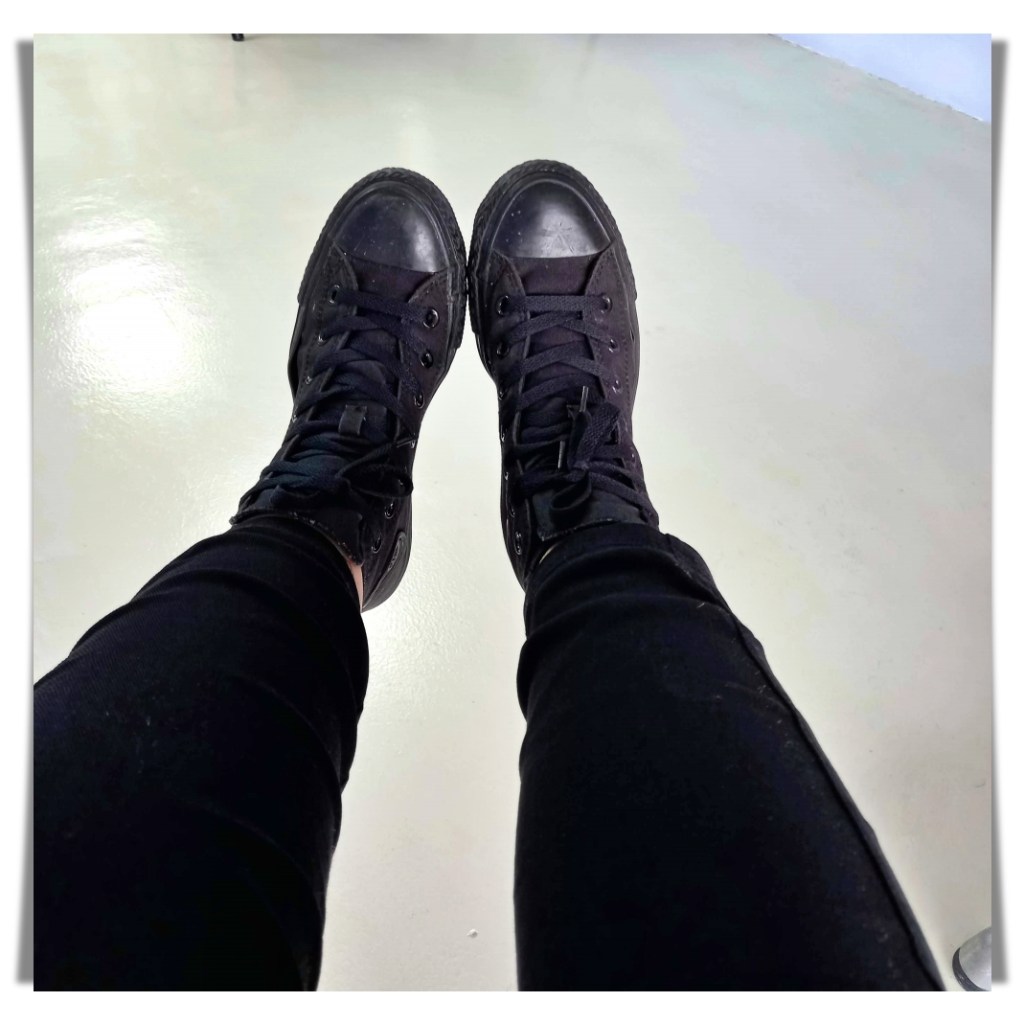
Some shoes are only shoes. They are worn for comfort, functionality, or fashion. Then there are some that become a part of you and accompany you through different stages of life. My Converse High-Tops in black are just that. I never wear high heels or other feminine footwear. They are simply not me—not my style. I don’t feel like myself when I wear such shoes. I’ve always been a sneaker girl since I was a kid and continue to be so even now that I’m nearing 50 (not yet, but almost there 😅).

My Converse, from the minute I put them on, felt like an extension of me. I know some people dislike Converse because of its tight cut, but it never bothered me. These shoes fit my petite feet well, allowing me to walk comfortably for hours. And I have. They’ve taken me to unexpected places and supported me through highs and lows. They’ve quietly witnessed countless moments of solitude, adventure, and change.

I’ve walked city streets, wandered quiet parks, and even attended church services in them. They’ve been there in the rain, drenched through but still sturdy, and in the searing heat, carrying me forward when I was tired and sweaty.

They’ve been my travel shoes, treading dusty earth in my homeland. They’ve become my go-to shoes for grocery shopping and getting my kids to and from school.

But beyond the places they’ve taken me, these shoes mirror who I am: unpretentious, practical, a little worn around the edges, but still going strong. They remind me I don’t need to fit into anything that isn’t me. I simply need to be myself, step by step, wherever life takes me.

So here’s to my black Converse High-Tops. They may simply be shoes to some, but to me, they carry a history of footsteps, of moments both big and small, of all the roads I’ve walked, and the many more still ahead.