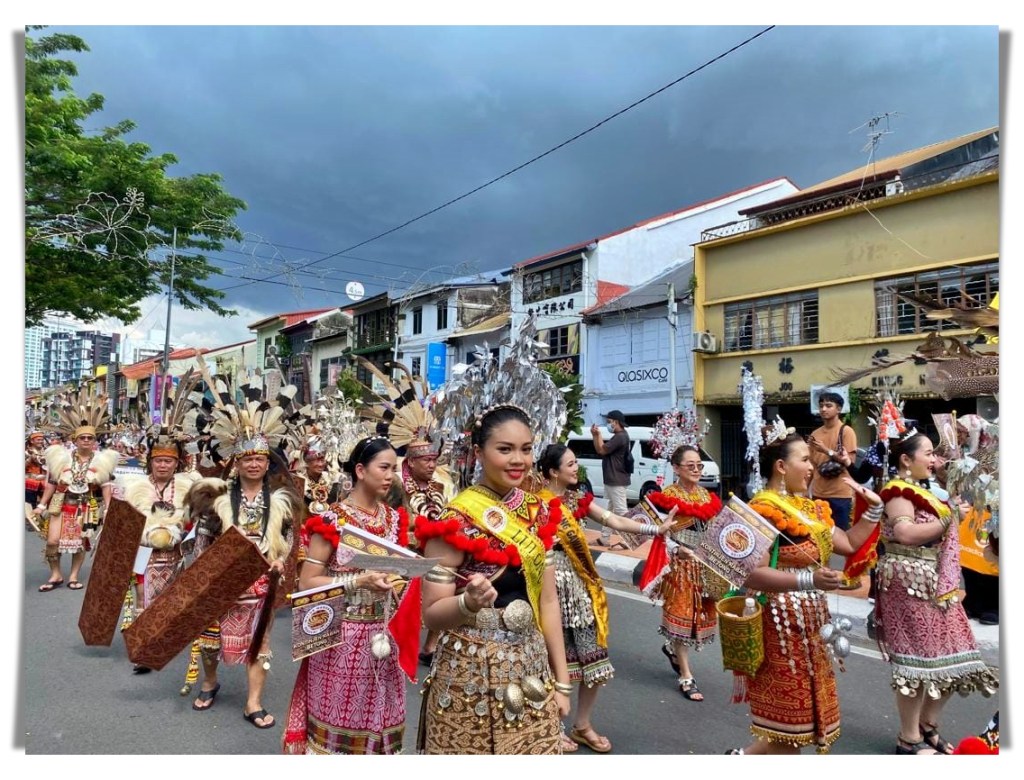
Pengarap Lama Iban | Iban Animistic Beliefs

TL;DR:

A simplified overview of traditional Iban animistic beliefs, including the Supreme God (Petara), nature spirits, ancestral souls, and mystical beings like Kumang and Keling. These oral stories, once passed down generation to generation, are now slowly being archived here from my Threads posts for easier access and deeper reflection.

Prior to the arrival of Christianity and Islam, the Iban people practiced a form of animism. It’s a complex belief system where spirits existed in rivers, jungles, animals, dreams, and even illnesses. Though most Ibans today identify as Christians, many still observe traditional customs during weddings, festivals, and ancestral rites. It’s worth noting that the Iban never had a written system to record these beliefs. Every story and ritual was passed down orally from one generation to the next. Because of this, different river regions or divisions often have slightly different versions of the same story, each molded by the voices and landscapes that keep them alive. 

Here is a short, simple summary of this complex cosmology that you can use as a reference. I’ve been actively posting about Iban culture, legends, and folklore on Threads, but now I’m slowly fleshing them out and archiving them here for my readers. 

Note: I’ll touch more about the Sengalang Burong’s family when I write about Iban omens and augury. 

Core Beliefs

Iban animism is based on the idea that there are many spiritual beings that are part of everyday life and the afterlife. These include:

  • Supreme God, called Petara / Tuhan or Raja Entala
  • Deities and spirits, called Bunsu Petara – each with their own roles i.e Sengalang Burong
  • Spirits of ancestors, called Petara Aki Ini – often called upon during rites like Gawai Antu i.e roh nenek moyang
  • Spirits of nature, found in animals, plants, rivers, and forests and also include Bunsu Antu i.e jin, iblis
  • Mystical beings from the sky realm called Panggau Libau and Gelong i.e Kumang, Keling

Dreams were (and still are) taken seriously, often seen as spiritual messages. If a deity (i.e Sengalang Burong) or mystical being (i.e Kumang) appears in a dream, it’s treated as guidance that must be followed.

Categories of Gods and Spirits

1) Petara / Tuhan (Supreme God)

  • Also known as Raja Entala
  • Creator of all living things

2) Seven Main Deities / Bunsu Petara (Who live in the realm of Tangsang Kenyalang)

These seven deities are the children of Raja Jembu and Endu Endat Baku Kansat. Raja Jembu is the son of Raja Durong and Endu Kumang Cheremin Bintang. There is more to this lineage, but for simplicity, let’s just focus on Raja Jembu’s family. These seven deities or Bunsu Petara, are often invoked in Iban poetry, like pengap and timang

  • Sengalang Burong – God of war (Sengalang Burong’s wife is Endu Sudan Beringan Bungkong. They have eight children including a daughter, Endu Dara Tinchin Temaga)
  • Biku Bunsu Petara – God of resources
  • Sempulang Gana – God of agriculture
  • Selempandai – God of creation and procreation
  • Menjaya Manang – God of healing
  • Anda Mara – God of wealth
  • Ini Andan – Female spirit doctor and goddess of justice

3) Mystical Beings (Who live in the land above the sky, Panggau Libau and Gelong)

  • Kumang, Keling Gerasi Nading, Kelinah Indai Abang (Keling’s sister), Lulong, Laja, Pungga, Selinggar Matahari, Sempurai Bungai Nuing, Tutong (Kumang’s brother) – Divine beings who help humans succeed in life, especially warriors and brave people. Kumang and Keling appeared more in dreams compare to the rest.

4) Spirits of Nature

  • Bunsu Jelu – Animal spirits
  • Antu Utai Tumboh – Plant spirits
  • Bunsu Antu – Ghosts or restless spirits, some helpful, some harmful

5) Souls of Ancestors / Petara Aki Ini

  • Honored during rituals like Gawai Antu
  • Believed to offer blessings and protection when remembered properly

Copyright © Olivia JD 2025

All Rights Reserved.

I write about Iban culture, ancestral rituals, creative life, emotional truths, and the quiet transformations of love, motherhood, and identity. If this speaks to you, subscribe and journey with me.
Iban Culture | Gawai Antu @ Feast of the Dead – A Personal Journey Through Memory and Meaning

I don’t see a lot of articles anywhere that talk about the culture of my people, the Dayak Iban of Sarawak, Borneo. Maybe there are plenty in native languages, but so far not much is written in English, so I thought instead of lamenting about it, why not write it myself? I admit I don’t have a vast knowledge about my culture; however, it shouldn’t stop me from writing about what I know. In this post I’m going to talk about one aspect of our culture called Gawai Antu, or the Feast of the Dead. I believe the feast of the dead is widely celebrated worldwide across different countries and cultures. It’s no different with the Iban people. After all, who doesn’t want to memorialize and pay tribute to their departed loved ones?

The Iban people of Sarawak, Borneo, have a rich and deeply rooted culture that is shaped by mythology, oral traditions, and a close connection between the spiritual and physical worlds. At the heart of this culture are the many “gawai,” or feasts, that mark important moments in life, from celebrating a bountiful harvest (Gawai Dayak) to honoring the spirits of the departed (Gawai Antu). Each gawai carries its own meaning, traditions, and importance, but none have left a deeper impact on me than Gawai Antu, or the Feast of the Dead.

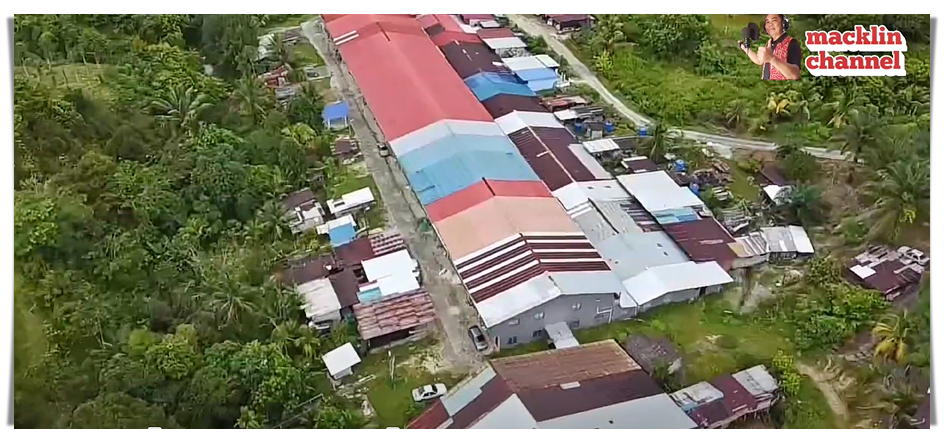
My father’s longhouse: Ng. Batang, Ulu Krian, Saratok. Image source: Youtube

I was ten years old when I first experienced Gawai Antu at my father’s longhouse in Ng. Batang, Ulu Krian, Saratok. At the time, I didn’t really understand its meaning. I just knew it was a rare and grand occasion that transformed the quiet longhouse into a place of celebration, ritual, and remembrance. Even now, decades later, I can still hear the loud gongs, see the elders in their ceremonial attire, and recall the haunting beauty of the invocations to the spirits and deities. It was a glimpse into something much bigger than myself, which was a connection between the living and the dead. This festival was deeply embedded into the very fabric of our identity.

Unlike Gawai Dayak, which is an annual celebration, Gawai Antu happens once in a generation. It is a collective effort that takes years of preparation, with families saving up to host this event in honor of their ancestors. This isn’t a normal feast. It’s an elaborate feast that symbolizes a final send-off for the souls of the departed. It’s a way of ensuring they are properly honored before moving on to the spirit world. It is both a farewell and a tribute, reinforcing the Iban belief that death is not an end but a transition to another realm.

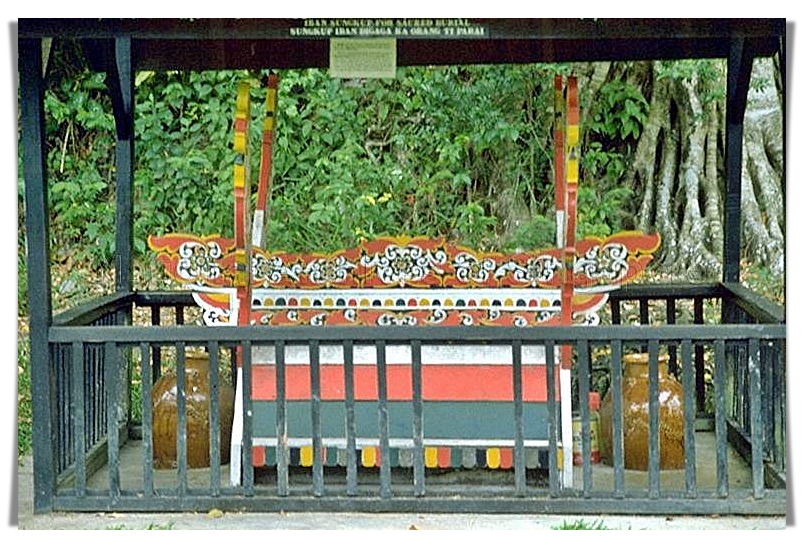
A “sungkup”. Image source: National Archives of Singapore

As a child, I was captivated by the sights and sounds of the festival. The longhouse came alive with music, laughter, and the smell of traditional food. Thousands of guests from neighboring longhouses (villages) gathered, filling the space with a sense of community and shared purpose. I watched as men skillfully built the “sungkup” (memorial huts) for the deceased, while women wove baskets called “garung” to hold the ceremonial rice wine, “tuak Indai Billai.”

One of the most mesmerizing rituals was “ngalu petara,” where men and women, dressed in their finest, marched through the longhouse to welcome the spirits of the dead. Another unforgettable moment was watching the “lemambang” (bards) chant poetic invocations while carrying bowls of “ai jalung” (special rice wine) from midnight until dawn. Their lyrics, which were passed down through generations, painted vivid images of the spirits’ journey from the afterlife back to their longhouse for one final feast with their loved ones. At 4 a.m., the honored “bujang berani” (men of valor) drank the “ai jalung” to symbolize a moment of pride and recognition.

Image source: My sister

It wasn’t until adulthood that I fully grasped the significance of Gawai Antu. It is a festival of remembrance and a reaffirmation of our roots. It’s a way of keeping our ancestors’ legacies alive. As an Iban living away from my homeland, these memories have become even more precious. They remind me of who I am and where I come from, especially in a world where modern life often pulls us away from traditional practices.

Writing about Gawai Antu feels like my own way of preserving this tradition. In many ways, storytelling serves the same purpose as the rituals. It honors the past by keeping memories alive and strengthening our sense of belonging. But I won’t lie; this responsibility sometimes feels overwhelming. I wonder if my children will ever truly understand the depth of these traditions, or if they will see them as outdated practices of a time long gone. Still, I hold onto hope that through stories, whether in poetry, essays, or simple conversations, I can spark their curiosity and encourage them to explore their roots.

“Bujang Berani”, a man of valor drinking the “ai jalung”. Image source: Gawai Antu documentary

If there is one thing Gawai Antu has taught me, it is the value of memory. In a society that sometimes stresses development over history, this feast is a reminder that our identity is both about who we are and where we came from. Honoring our ancestors involves acknowledging their difficulties, successes, and sacrifices, as well as understanding how they influence our lives now.

Decades after my first Gawai Antu, the memories are still fresh in my mind. The loud gongs, sacred chanting, and communal spirit are memories from my childhood as well as pieces of a greater story about connection, heritage, and meaning. Gawai Antu has taught me that remembering our ancestors means, in many ways, honoring ourselves, as we are the living continuation of their journey.

My poem, “Gawai Antu”.


Note:
A documentary about Gawai Antu was made several years ago, you may watch the trailer here:

I don’t have any photographs of Gawai Antu from my childhood. They are kept safely in my parents’ home in Sarawak. The photographs in this post are credited to the sources listed below each image. For more information on Gawai Antu, you may visit these sites:

The Gawai Antu
Gawai Antu – the documentary