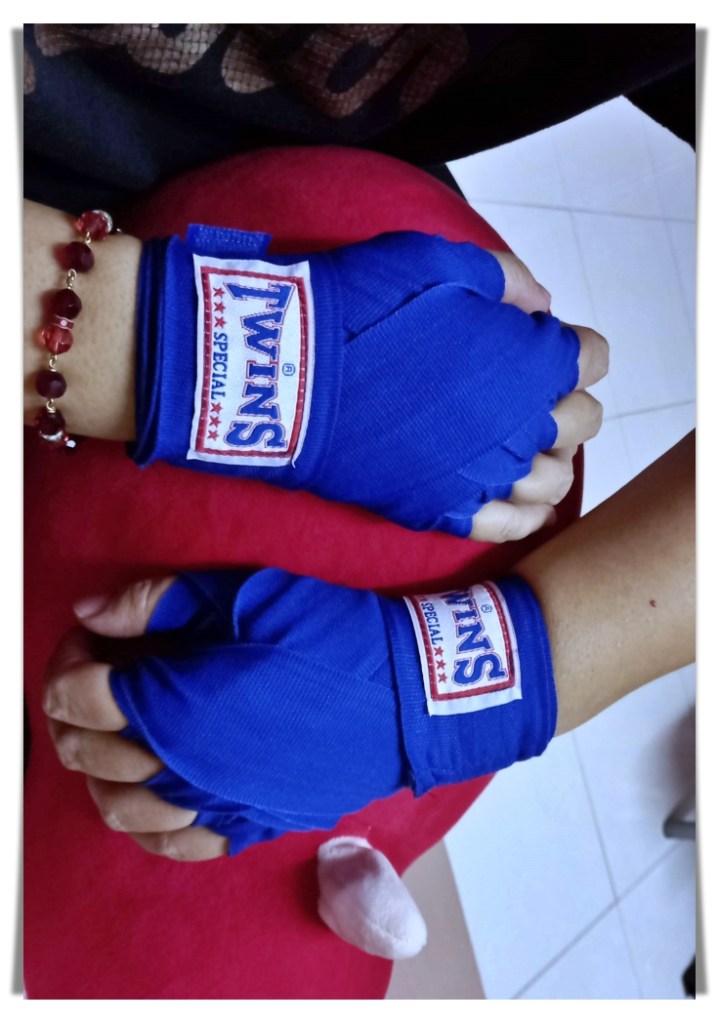
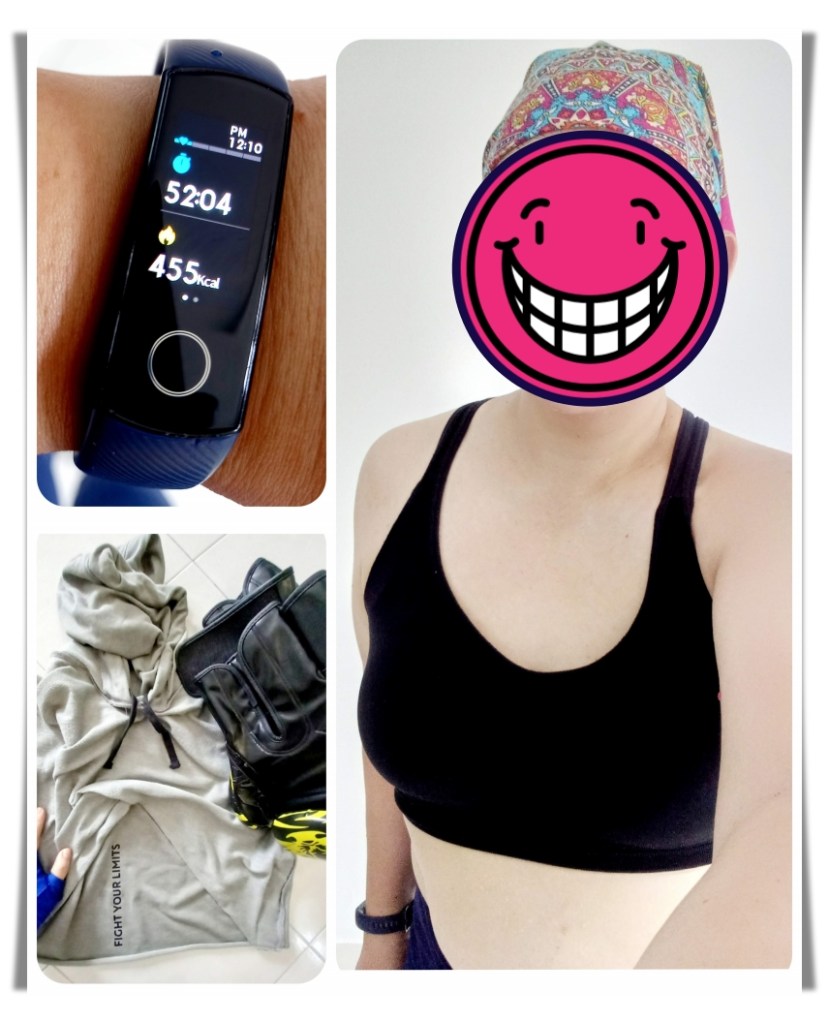
In 2021, I started doing boxing workouts, not to compete in fights, but to regain confidence in myself. It’s been my way of regaining energy, confidence, and joy. This mini story offers a little insight beneath that fire.
He walks with me to the gym, his hand brushing against mine every few steps. It’s enough to remind me that he’s here.
The sun has set low behind the trees, enveloping everything in that golden hour glow I like. The city noise fades. My hoodie clings to my lower back, and my skin feels warm before I’ve even thrown a single punch. I see him eyeing me out of the corner of his eye, like he usually does.
“You’re quiet,” I observe, glancing over.
He grins. “Just thinking how hot you look when you’re about to ruin someone.”
I roll my eyes but can’t control the smile that appears on my mouth. He knows. He’s seen me in the ring—gloves on, hair slick with sweat, arms sharp and fierce. He’s seen me transform into someone else. Or maybe become more of who I’ve always been, despite the weight of years, expectations, and softness I had to bear.
We pause at a bench near the entrance. I sit and sip my water. He leans on the railing next to me, close but not touching. He’s giving me space to breathe.
“I used to hate this body,” I mutter softly. “I used to think it wasn’t mine. Huge, heavy, thick in the wrong places.”
He does not interrupt.
“Boxing gave it back to me. I no longer care about losing weight. All that matters is the fire in my blood, the energy and power it gives me.
He turns to face me, his eyes serious. “It shows. The way you carry yourself now. “It’s… magnetic.”
I laugh. “Magnetic, huh?”
“Absolutely.”
I stand, slinging my towel over my shoulder. He leans closer.
“Try not to knock anyone out in there.”
“No promises.”
And then I walk in, knowing he’s watching. I know he’ll be there when I’m done. And I know too that I’ve already won something far more important than a fight.
And here’s a poem to accompany this story.
Grit
They said my body was a church. No, it was a battlefield— all pew and destruction. I learned to swing to pull breath from the edge of bruise, to let sweat baptize what shame could not. I fought like a searing fire, feral that dances, not soft or safe.
He watches, as if I was the last honest thing he’d ever lay eyes on.
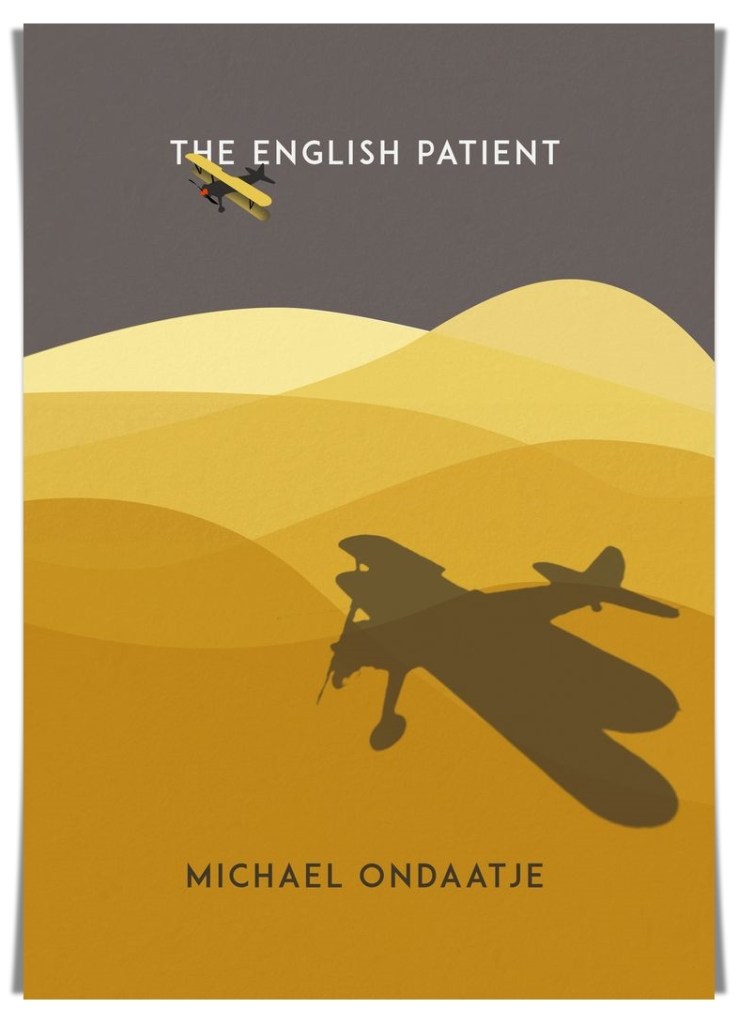
Some books become landmarks in your life. It becomes more than something you read when you return to its pages again and again, like a familiar scent or a half-remembered dream. For me, that book is The English Patient by Michael Ondaatje.
I got my copy in 1997 while waiting for my night shift to start. I was 20 at the time, working part-time while studying for my IT diploma. My shift began at 6 p.m. and finished at 6 a.m. the following day. After dinner, I went to a nearby bookshop and picked up the novel. The film adaptation was playing in cinemas at the time, but I didn’t watch it until years later. I read the book during my breaks at work, but it took me a long time to finish it.
Ondaatje’s prose was difficult. It didn’t care for neatness. The narrative was fragmented, the rhythm unpredictable—the whole narrative is a long lyrical poem. But I stuck with it, turning each page slowly, sometimes painfully. And I’m glad I did. While others found it disjointed, that was precisely what drew me in. It was too poetic for the mainstream, too fragmented for easy consumption, and too sensual for readers who prioritize plot. That’s what I enjoyed about it then—and still do.
When I went to university to pursue my IT degree, The English Patient became a silent friend. I read it during long, lonely afternoons in my hostel room as a soothing escape from the chaos of university life. Through Ondaatje’s pages, I could retreat to the worn walls of Villa San Girolamo, into the burned silence of the English Patient, and the sun-drenched memories of the Cave of Swimmers. I must have read the book ten times throughout the years.
The story unfolds in the same way that memory does: disorganized, sensory, and half-lit. We learn about the English Patient’s past before, during, and after WWII. Of Katharine Clifton and their forbidden love. Of Hana, the grieving nurse who cares for him in the villa. Of Caravaggio, the thief turned British spy with missing thumbs. Of Kip, a gentle Indian sapper who dismantles bombs and falls in love with Hana despite their cultural differences.
The patient’s only possession is a battered, annotated copy of Herodotus’ Histories that survived the flames when his plane crashed in the desert. The crash badly burned him and caused amnesia. He couldn’t remember his name and lost his identity, but his voice led many to believe he was English. In time, we learn he is actually László de Almásy, a Hungarian cartographer and desert adventurer. Almásy’s character is loosely based on a real-life counterpart, Count László Almásy, a Hungarian aristocrat and explorer.
I remember reading passages aloud to my lover during late-night chats. We watched the movie adaptation on VCD, but I hated it. It lacked the haunting lyricism of the novel. The lushness of Ondaatje’s words cannot be translated to screen. His sentences breathe, linger, and seep in. They don’t just move the story forward. They remain in you long after you finish the novel.
I haven’t read the book in years. Maybe it’s time to read it again. Some parts of me have changed; others haven’t. I suspect the story will read differently now, the way all great books do when you return to them older and bruised with life.
There’s one passage that’s followed me for years, so much so that I placed it on my About Me page:
“She had always wanted words, she loved them; grew up on them. Words gave her clarity, brought reason, shape.”
This quote refers to Katharine Clifton, but I feel it suits me as well.
There are many other lines that have stayed with me through the years. There are too many to list, but here are a few that still haunt me:
“We die containing a richness of lovers and tribes, tastes we have swallowed, bodies we have plunged into and swum up as if rivers of wisdom, characters we have climbed into as if trees, fears we have hidden in as if caves. I wish for all this to be marked on by body when I am dead. I believe in such cartography—to be marked by nature, not just to label ourselves on a map like the names of rich men and women on buildings. We are communal histories, communal books. We are not owned or monogamous in our taste or experience.”
― Michael Ondaatje, The English Patient
“I believe this. When we meet those we fall in love with, there is an aspect of our spirit that is historian, a bit of a pedant who reminisces or remembers a meeting when the other has passed by innocently…but all parts of the body must be ready for the other, all atoms must jump in one direction for desire to occur.”
― Michael Ondaatje, The English Patient
“Moments before sleep are when she feels most alive, leaping across fragments of the day, bringing each moment into the bed with her like a child with schoolbooks and pencils. The day seems to have no order until these times, which are like a ledger for her, her body full of stories and situations.”
― Michael Ondaatje, The English Patient
“This was the time in her life that she fell upon books as the only door out of her cell. They became half her world.”
― Michael Ondaatje, The English Patient
“In the desert the most loved waters, like a lover’s name, are carried blue in your hands, enter your throat. One swallows absence.”
― Michael Ondaatje, The English Patient
“Sometimes when she is able to spend the night with him they are wakened by the three minarets of the city beginning their prayers before dawn. He walks with her through the indigo markets that lie between South Cairo and her home. The beautiful songs of faith enter the air like arrows, one minaret answering another, as if passing on a rumor of the two of them as they walk through the cold morning air, the smell of charcoal and hemp already making the air profound. Sinners in a holy city.”
― Michael Ondaatje, The English Patient
The English Patient is not a book you finish or a book you can read casually. It’s a book you carry, absorb, and savor.
And I’ll keep returning to it.
As long as I need to remember how language can ruin you.
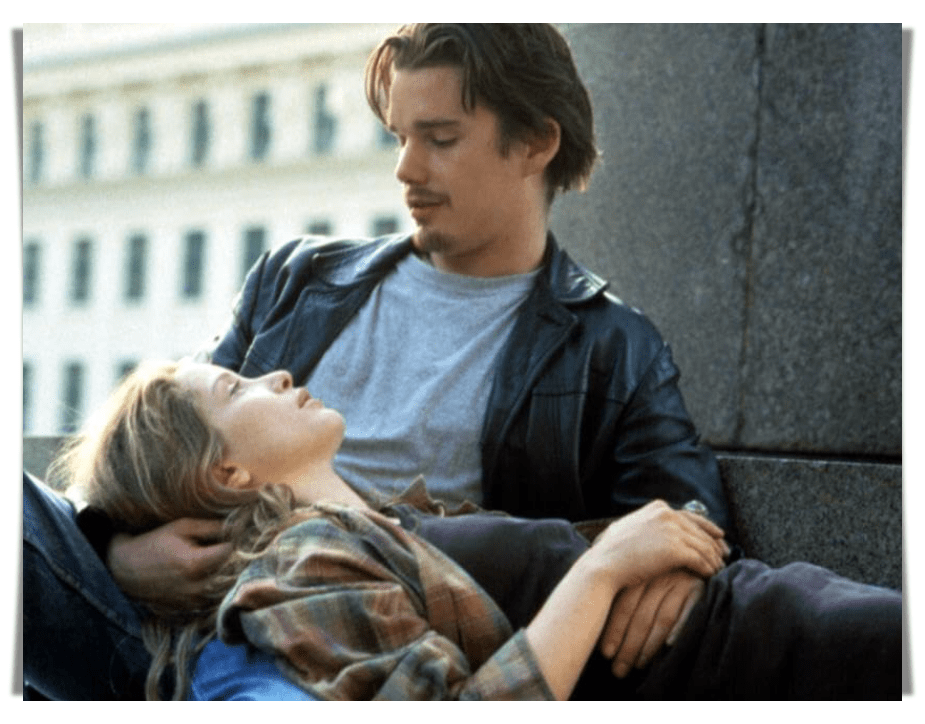
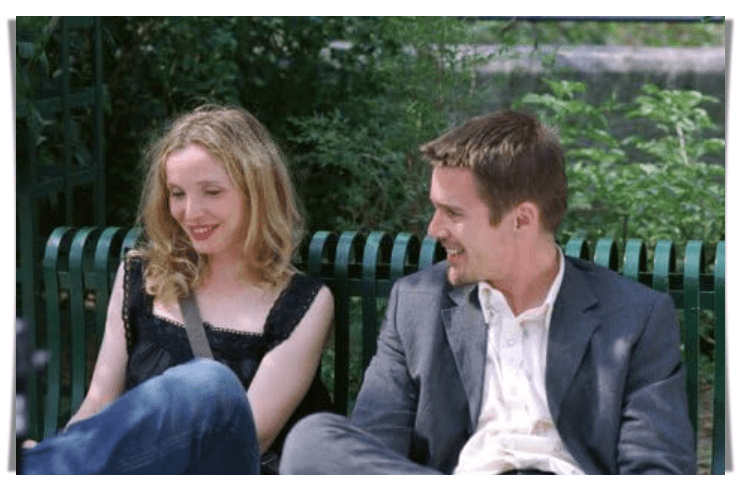
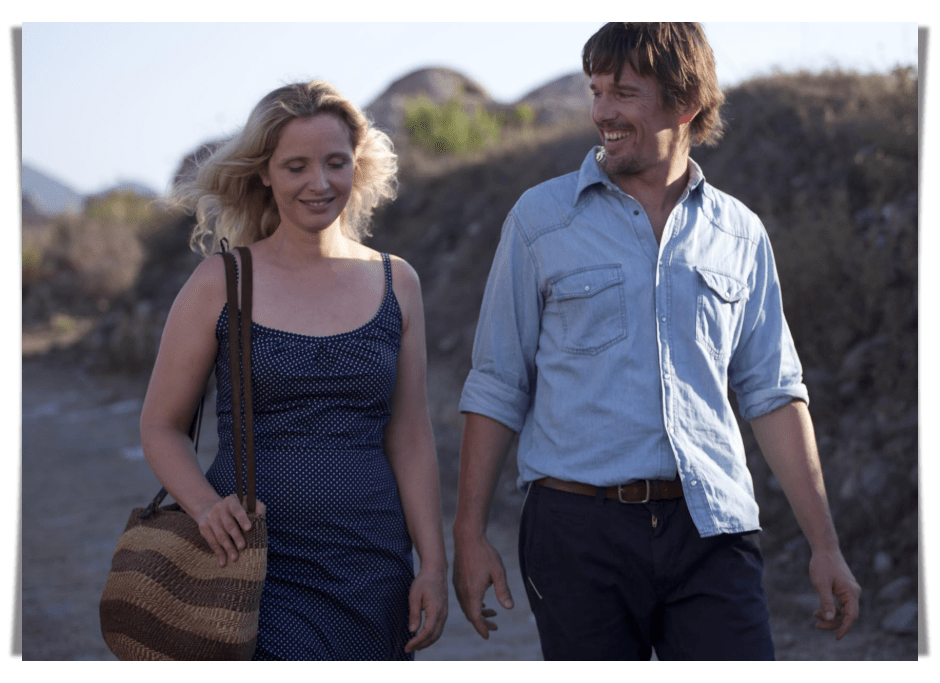
If I could be a character from a book or film, I would be Celinefrom the Before Trilogy. Yes, I’d love to be Celine—Julie Delpy’s character in Before Sunrise, Before Sunset, and Before Midnight.
Those films stayed with me for many years since I discovered Before Sunrise in the early 2000s. That movie was released in 1995, a year after Reality Bites—another hit movie starring Ethan Hawke. Its sequel, Before Sunset, was released nine years later in 2004, and the final installment, Before Midnight, another nine years later in 2013.
I adore the trilogy for its dreamy long walks, the poetic ramblings, the agonizing feeling of time passing, and also Celine’s character development. In Before Sunrise, she begins as a charming, idealistic Sorbonne undergraduate, wide-eyed and open-hearted. She was sweet and willing to talk to an American traveler, Jesse Wallace (Ethan Hawke), on a Eurail. They disembarked in Vienna to spend the night together and explore the mystery of what-if.
And then nine years pass.
By Before Sunset, she has grown sharper. Her voice is steelier, and her eyes are more guarded. Life has touched and damaged her in many ways. But behind it all, she has the same curiosity, the desire to comprehend life, and what it means to belong to someone or not at all. Jesse is married and a writer now and has published a book about his experiences that fateful night nine years ago. Celine shows up at his book reading in Shakespeare & Co., watching and listening to him from the side of the room. And then their eyes met. That scene always gets me.
“I always feel this pressure of being a strong and independent icon of womanhood, and without making it look my whole life is revolving around some guy. But loving someone, and being loved means so much to me. We always make fun of it and stuff. But isn’t everything we do in life a way to be loved a little more?”
― Julie Delpy, Before Sunrise & Before Sunset: Two Screenplays
Then came Before Midnight, another nine years later. Celine and Jesse are now in their forties and parents to twin daughters. Their conversations are no longer romantic musings under moonlight, but fueled by the reality of parenthood, aging, and the jadedness that settles into long-term love. They’re on holiday in Greece, but even the beautiful scenery can’t hide the fractures that have begun to appear. There’s tension, resentment, and emotional exhaustion.
They take long walks and talk like they always have, but their conversation is no longer about dreams and philosophies. Now they talk about regret, sacrifice, and voids that love couldn’t fill. There’s a scene in a hotel room that feels like a slow, approaching storm. You begin to wonder, did Jesse cheat on her? Did Celine ever fully forgive him? Did they lose parts of themselves in choosing to stay?
Despite their love, it’s evident that love isn’t always enough.
Perhaps I see myself in her because I, too, often live in my head. I question everything—especially love. I pay attention to details and cherish them.
“You can never replace anyone because everyone is made up of such beautiful specific details.”
― Julie Delpy, Before Sunset
I remember moments long after they have passed. I try to appear sensible, but I’m a huge romantic underneath it all. Like Celine, I struggle with guilt, restlessness, and the anguish of wanting something elusive. And like her, I strive to be honest, even if it hurts.
In another life, I could see myself in Paris. Walking by the Seine, notebook in hand, or perhaps sitting at Shakespeare & Co. with cold coffee beside me. I aspire to visit that bookstore one day. Just stand there and breathe in the pages.
Celine isn’t perfect. She’s charmingly imperfect, impetuous, and multifaceted. But she’s also deeply present. She listens and sees people. Perhaps it’s what I admire most about her—she doesn’t run from questions. She asks, even if there are no answers.
“I believe if there’s any kind of God it wouldn’t be in any of us, not you or me but just this little space in between. If there’s any kind of magic in this world it must be in the attempt of understanding someone sharing something. I know, it’s almost impossible to succeed but who cares really? The answer must be in the attempt.”
― Julie Delpy, Before Sunrise & Before Sunset: Two Screenplays
And, if I could become her for a while, I wouldn’t do it for the romance or the cities. I’d choose it because of the way she continues to ask, feel, and try—even when the answers are ambiguous and love falters.
That is exactly what I’m hoping for as well.
To keep on walking. To keep on asking. To keep on becoming.
This prose poem is not exactly a story, but something I carry deep in my heart. Some of it might be true. Some of it might be fiction. I don’t think it matters. The man. The city. Our warren of wild, soulful, tender “rabbits”—that’s what we called our children. It started as a joke between us. Five—wild, loud, deeply loved—and a sixth on the way. We bred like rabbits.
It’s a dream, truth and fiction, a love poem, but a lament too. A grief for a love suspended across timelines and realities. A love that endures in absence. In what could have been. And maybe—what still is, in another dimension of the heart.
What job would I do for free? I’d write. I’d write about things no one else sees or knows about. About memories. About experiences no one else stayed long enough to remember. I’d write about the years in Taipei, about things that transpired long ago. Maybe they’re truth. Maybe fiction. No one needs to know. I’d write about the loneliness of walking alone through Da’an Forest Park, how the trees sheltered my secrets. About stray cats weaving between puddles in Datong alleyways. About the buzz of Ningxia night market, the smell of grilled squid, sweet mochi, stinky tofu hung in the air like incense for the gods of desire. I’d write about him, about you.
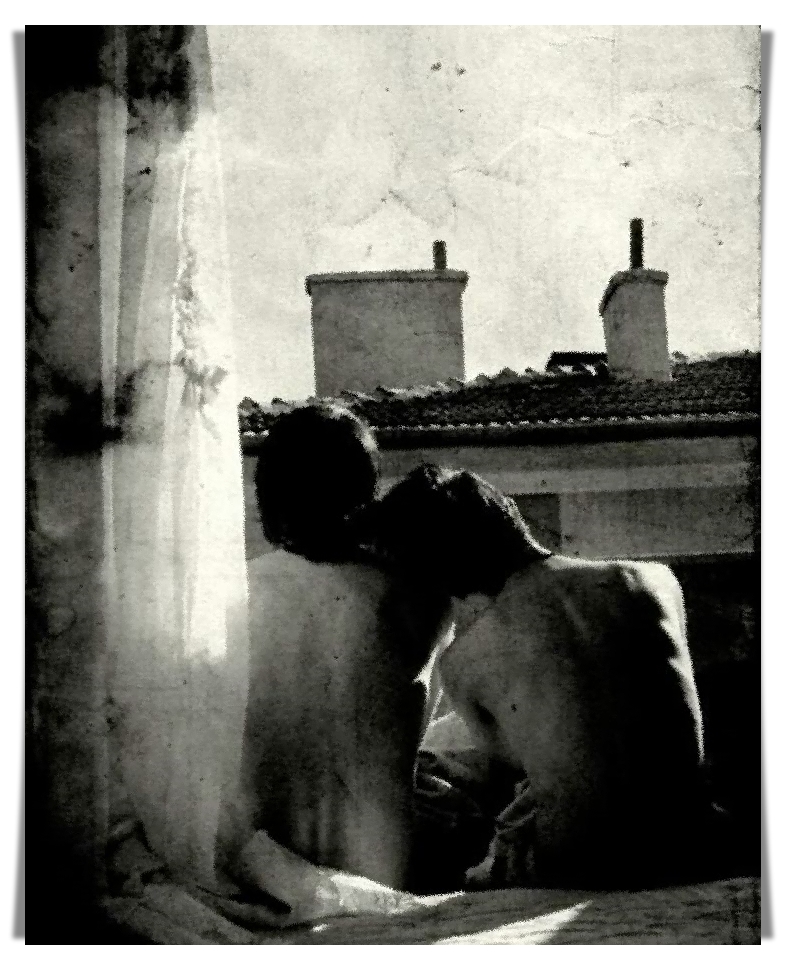
Our rooftop talks, sunsets at Tamsui Lover’s Bridge, our trips to Jiufen, to Sanmao’s house in Chingchuan, to Okinawa, to Kunming. About how silence is more powerful than words when two people want to touch but don’t, not yet, not now. I’d write about him walking the city when sleep won’t come— crime cases wrapped around his mind like smoke. About the nights he barely made it home before dawn. Keys tossed, shoes kicked off, collapsing into the couch still in his wrinkled shirt, smelling of gunpowder, coffee, and the rain that doesn’t wash anything clean. And in that half-dream state, he’d swear he could feel me there—my warmth brushed against his back.
I’d write about the nights when ghosts clawed their way back into his mind, when the faces of the dead refused to fade, and he’d hold me close, mooring himself in the beat of my skin, needing to remember he was here, not there. I’d write about the version of him no one sees—the one who stares into the dark, haunted, distant. The one I loved quietly. The one I reached for with firm hands, fingers running through his hair as if I could smooth away everything he didn’t say. I’d write about the moments when I knew that no matter how much I loved him, a part of him would always remain just out of reach.
And I’d write about our sweet rabbits. Our warren of tenderness and imagination. Aidan Do, Lina Do, Elias Do, Rayya Do, Noel Do. They were born out of desire and longing, not blood, and were spun into life with whispered what-ifs and gentle memories. Maybe no one else remembers them. Do you? I do. Their stories return to me while folding laundry or when my tea goes cold. Even now, two decades later. Aidan, with his quiet mischief and cloud-gazing heart. Lina, messy and luminous, chasing the world with charcoal hands and galaxy eyes. Elias, our sweet Elias, who has your eyes, hands, and feet, keeper of broken things. Rayya, a breeze in motion, laughter tucked behind her teeth. Noel, youngest and oldest somehow, knowing the end before the beginning even began.
They were ours. They are ours.
You brought them to life with your words, love. And I gave them breath with my remembering. We made them together. If I could bend time, I’d keep them safe in a garden behind our home. You’d sketch while I write. We’d argue over dinner, then laugh about it before bed. On mornings we rushed to work and school, you, darling, begged me to bend over the sink while our babies bickered in the car. And on rainy nights, we’d tell stories to our rabbits about the world before and after us and everything we tried to save.
But we can’t bend time.
So I write. Even when no one asks me to. Even when no one reads. Even when you forget me and our babies. Because, love, some stories don’t want to be sold. Some stories just want to be kept. And some jobs are not about money. They’re about keeping love from vanishing.
That’s me. I’m not obese but since I’m petite, a little weight gain would be very noticeable and I’m a lot heavier than I used to be. I boxed for fitness to maintain my weight and build muscles; however, since I’m struggling with perimenopausal fatigue, it has been difficult to stay consistent.
Since having children, I’ve spent most of my time learning how to hide my body. I learned to suck in my belly when I walked past mirrors or when I snapped selfies. I wore black to appear slimmer. When eating out, I chose a seat next to a wall so no one could stare at my belly roll. I smiled when someone talked about losing weight, even though internally, I felt diminished for other reasons.
But lately, something is changing. It began slowly, insinuating itself into my thoughts like a new language.
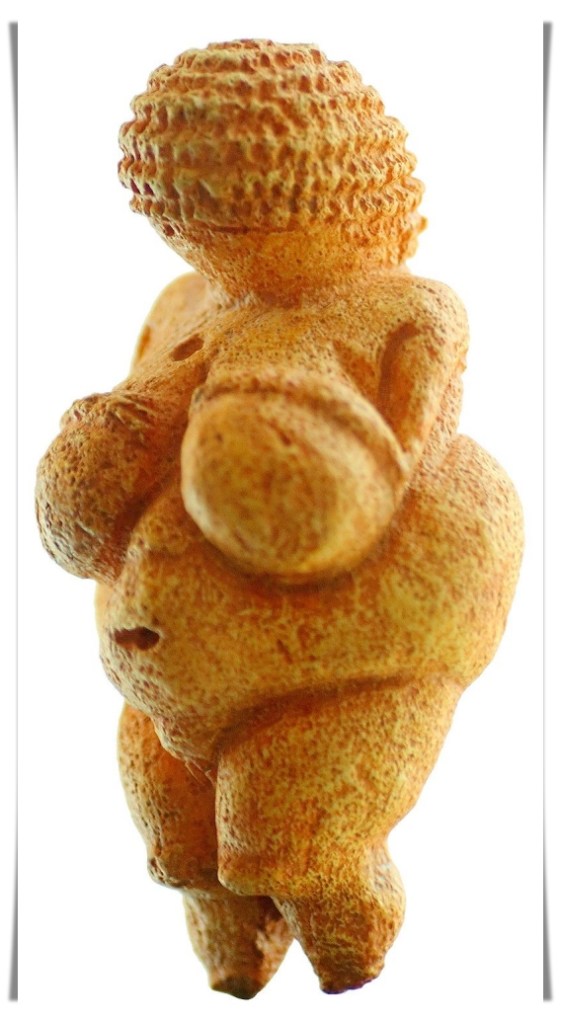
It began with a figurine I read about somewhere on the Internet. The Venus of Willendorf.
She’s only four inches tall, carved from oolitic limestone more than 25,000 years ago. Her breasts are full, her belly rotund, her hips wide. She has no face, but that doesn’t matter because she represents everything I felt insecure about.
Scholars have proposed various interpretations for her purpose—fertility symbolism, a goddess, or an idealized female form.
She looked like me, though I’m not as chubby. And for the first time, that didn’t feel like an insult. She somehow validated me after years of shame and “before” pictures had silenced me.
There are others like her found across Europe. These Venus figurines were carved from stone, bone, or ivory; their bodies were voluptuous, soft, and round.
Venus of Laussel—holding a cornucopia as if commanding attention.
The Black Venus of Dolní Věstonice—dark and earthy and one of the oldest known ceramic figures.
Venus of Hohle Fels—she was worn as a pendant. Her legs widely apart, flaunting her exaggerated vulva.
The Seated Woman of Çatalhöyük—she rested on her throne like a supreme ruler.
The Fat Court Lady of ancient China—elegant in her defiance of slim ideals.
Each of them is a declaration of what womanhood looked like—and what it still looks like today.
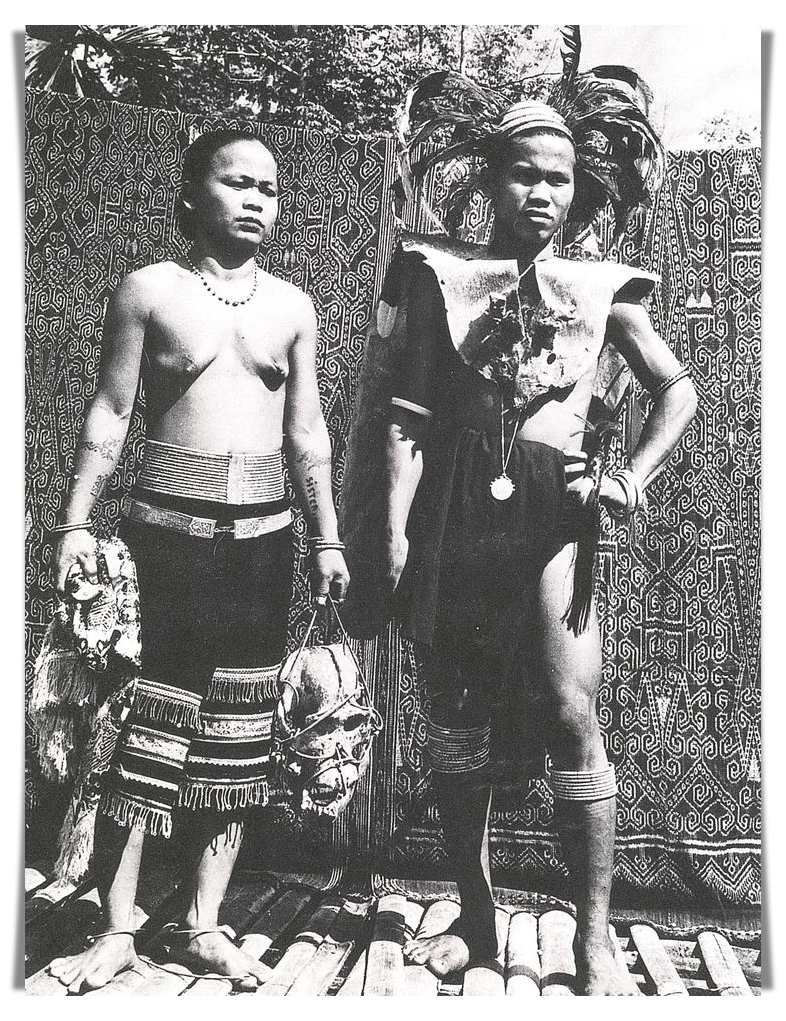
I am Iban. My ancestors were women who moved with strength and dignity. They never counted calories. They planted paddy, fished in the river, foraged for food, carried firewood, and cooked over open flames. Their bodies were lean, skin tanned, breasts bared. Their bodies were shaped for survival.
Obesity is a modern thing. It’s often a byproduct of modern conveniences like fast food, desk jobs, and little exercise. Many modern Iban women are overweight—some from young, and some after motherhood. I was never overweight until I had children. And then my body changed in ways I couldn’t control.
My belly stretched, my skin thinned, my hormones fluctuated, and my fatigue made it difficult to exercise regularly.
And with those changes came something crueler—self-hate.
I started to avoid mirrors altogether. I admired other plus-size women who carried their softness with confidence. I thought they were beautiful and sexy. However, that admiration never extended inward.
But Venus is opening my eyes to the truth: my worth is not defined by my body. She doesn’t ask to be smaller or apologize for taking up space. She was carved by people who believed she was sacred and to be revered.
Perhaps this belly, bearing life, surgery scars, and years of shame, merits a sacred touch. Maybe these dimpled thighs still deserve to be kissed. Maybe my body is a home to return to—and not a failure or an embarrassment.
But the Venus figurines weren’t the only ones teaching me to love myself again.
Maybe it’s also the man who sees me with undiluted devotion. He who touches my body tenderly before dawn. He who tells me I’m beautiful when I can’t bear to look in the mirror. His love—ever so tender, constant, and full of reverence—has become the mirror I trust the most. In his eyes, I’m not broken but whole.
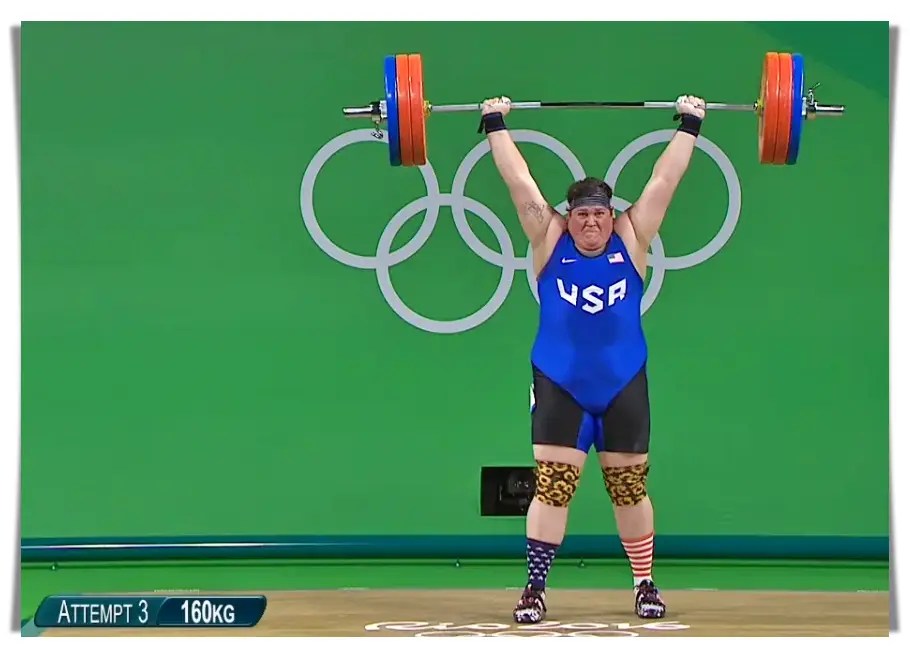
The glorious Olympian weightlifter, Sarah Robles. Image source.
Lately, I’ve even found myself moved by things I never paid attention to before—like Olympic weightlifting. I’ve never been big on sports, but when it comes to the Olympics or Paralympics, I always make sure to follow events like badminton, boxing, diving, and weightlifting. Badminton is a national love in Malaysia, especially since some of the world’s top players are Malaysian. As for diving and weightlifting, we have incredible athletes who come from my own home state of Sarawak.
But what truly strikes me are the women weightlifters. These plus-size Olympians don’t get the credit they deserve. The world tends to picture women Olympians as thin-waisted, with sculpted abs and long, lean legs. But what about the women who lift more than twice their weight? What about Sarah Robles, Emily Campbell, Holley Mangold, Li Wenwen, and so many others?
They are powerful, confident, and glorious. These beautiful Olympians remind me that strength does not look just one way. It comes in every size and shape.
I’m still learning, still grieving the body I used to have. I’m learning to be grateful, to appreciate the body that has endured trauma—and survived. I’m done hiding because I’ve looked into the past, and I saw Venus there. And in her and his gaze, I truly saw myself—beautiful and worthy.
And here’s a poem I wrote to accompany this post.
Venus
This belly needs a tuck— wrinkled, stretched, after birthing our warren of rabbits. It’s a map of every time I broke but kept going— still, it asks to be kissed.
This skin— salted, soft, and scratched by fingers that fed, held, bled— still dares to shimmer.
I am not a before, or an after. I am the altar where you kneel at my temple, again and again, falling apart in my hands.
I don’t have a community in the traditional sense. There’s no physical space to which I belong where people gather on a regular basis to exchange pleasantries and check in on one another. However, I have a discreet online presence where I build a slow-growing digital connection through words, art, and vulnerability.
If I could improve any community, it would be the invisible one. Women who write in the darkness. The silent creatives. Mothers who are stretched thin. Those who carry shame in their bodies, fear in their voices, and tenderness that they rarely express.
I want to spread gentleness where the world has been harsh.
I hope that my honest, imperfect, emotionally raw writing may help others feel less alone. They can breathe a bit better knowing that someone else understands how they feel. I aim to create a body of work that not only informs but also offers understanding. I want it to be a place where truth may exist unpolished.
My poetry, art, blog posts, essays, and even my online presence aren’t intended to impress. They are invitations to everyone to slow down, to feel, and to remember.
I come from a culture that seldom discusses grief, shame, or women’s private lives. By sharing my truths, I hope to offer people the freedom to explore their own. I want to be a part of a peaceful movement promoting honesty. It’s a movement in which we say to each other, “You are not broken. You are just human.”
So, how can I improve my community? By showing up with words, with heart, and with everything I used to hide. I don’t set out to fix anyone, but to say:
If something carried my name, it would not be a star, a street, or a species of bird. No, I believe it would be more intimate. I’m not always sure how to define myself. Sometimes I feel like a color. It is not a solid color you find in stores or on paint charts. It’s a blend of several shades at once. It burns slowly before softening into something else.
This poem is the first piece of a new series of poetry, stories, and art called Color Studies: Olivia. It’s a way for me to trace the shape of who I am through emotion, memory, and metaphor. This first piece is the closest I’ve come to naming the in-between shade I carry in my heart.
The Color Called Olivia
There’s a shade I carry that no one’s ever named. Not even the sky has a word for it. It comes after the burn, before the skin peels. It’s not plum. Not violet. It happens after violet, when the bruise turns philosophical.
I wear it like breath— soft, unnoticed, until it’s gone. I’ve been called gentle. But they don’t see how my gentleness and sorrow are barbed wire wrapped in silk.
My laugh has layers echoing through my ribs. They hear it— but not the hush that comes before.
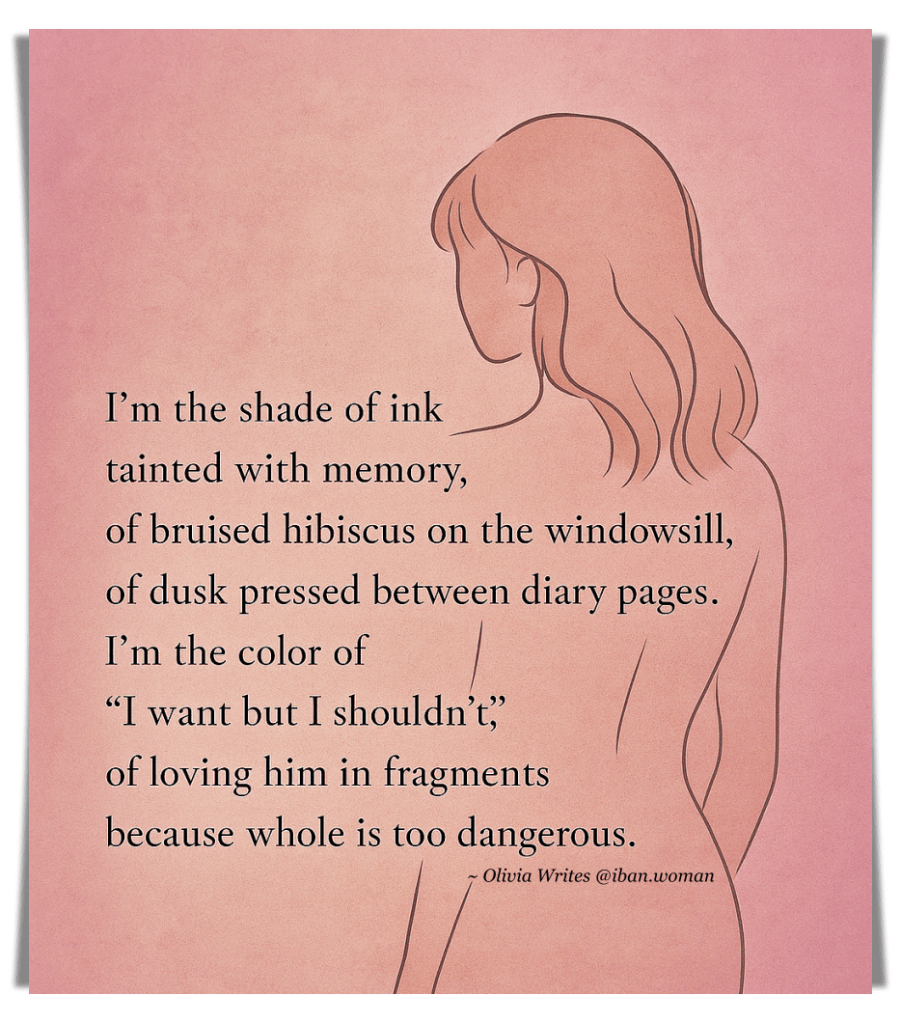
I’m the shade of ink tainted with memory, of bruised hibiscus on the windowsill, of dusk pressed between diary pages. I’m the color of “I want but I shouldn’t,” of loving him in fragments because whole is too dangerous.
They’ll never sell me in stores. Bottle me up. Claim me. I’m the color of dusk over a foreign city, where no one knows my name. I could be anyone. I could be no one.
I’ve always felt as if I exist in between what I desire and what I allow myself to have. Writing this helped me identify that feeling, not with a label, but with a color. I don’t think any of us consist of “solid colors.” We are many things: bruises, washes, and layers. I’m slowly discovering what shades I am, and this is the first one.
If you were a color, what would it be? Or what color do you become when someone sees you?
It started with the way he looked at the tea I made.
“You put mushrooms in this?” he asked, peering into the mug.
I fought a smile. “It’s reishi. It’s good for your liver. Just drink it.”
He leaned in and sniffed, suspicion all over his face. “It smells like regret.”
That got a laugh out of me. “Don’t be such a baby.”
He narrowed his eyes, took a dramatic sip, and instantly recoiled. “Are you trying to kill me? Admit it. This is revenge for the pen.”
“You stole it,” I said.
“I borrowed it indefinitely.”
He drank another sip, dramatically clutching his chest. “If I die from this, please delete my browser history.”
I burst out laughing again.
He looked pleased with himself.
I tried to change the subject, flipping through a magazine on the table. He leaned over, peering at a photo of a hairless cat.
“Is that a testicle with whiskers?”
I almost choked on my tea.
“That’s it. Get out of my apartment.” I was still laughing.
He held up his hands. “I’ll go. But only if you admit that laugh means you’re secretly in love with me.”
I threw a cushion at him. He caught it midair and hugged it to his chest. “Even your cushion loves me.”
“You’re so full of yourself.”
He wandered over to my bookshelf, checking the titles. “Didn’t peg you for a Murakami girl.”
“Didn’t peg you for someone who uses the word ‘peg.’”
He smirked. “Careful. You’re laughing again.”
And I was.
Later, when the conversation slowed, we sat on the couch. I didn’t want him to leave. Not just yet. He retrieved a pen from my desk and held it in front of him.
“This one yours too?”
“Maybe.”
“Should I take it? Just in case I need another reason to come back.”
He didn’t need a reason.
But I let him have it anyway.
I Gave You Tea
I gave you tea for healing. You drank it. Your fingers brushed mine when I handed you the cup, and neither of us flinched.
You made a face, said it tasted like regret.
I laughed. And laughed again.
See, love— I don’t laugh easily, like something that escapes from deep inside, and betrays the body.
I gave you bad tea. And you say things that unmake me in all the right places.
I don’t remember what I wanted to be when I was five.
Maybe that’s because nobody asked. Or maybe because the word “ambition” didn’t exist in my world yet. It wasn’t a concept that came naturally to me. At five, I was navigating five languages all at once.
I started kindergarten at five, never dreaming of jobs or what I wanted to be when I grew up. I didn’t see it as something odd back then, but living in a multicultural country, I (and every Malaysian kid) was already exposed to different languages at a young age. My mother tongue was Iban and Malay was the national language. However, I was sent to a Chinese (Mandarin) speaking kindergarten. At the same time, I was learning English, my third language. On top of all that, many of my classmates spoke in another dialect—Sarawak Malay, which sounded nothing like the formal Malay I read in books. At the tender age of five, I was exposed to five different languages or dialects all at once: Iban, Malay, Mandarin, English, and Sarawak Malay.
I was grappling with words. My head was full of unfamiliar sounds, new rules, and foreign grammar. Maybe I didn’t have space for dreams then because I was too busy trying to understand the world through different languages.
Things started to shift when I turned eight. That’s when my mother made me a library card.
I was too young to go to the library on my own, so every couple of weeks, she borrowed two books for me—one in Malay, the other in English. I don’t remember what the first books were, but I remember how it felt—the excitement of holding stories in my hands. This is when I learned to lose myself in other people’s words and slowly began to find my own. I was a voracious reader and continued to devour books after books in the years to come.
I didn’t know I wanted to be a writer until my teens. And even then, it wasn’t ambition—it was longing. Since the age of 10, I had started to write poems and stories on the side. I never imagined it could be more than a hobby. I come from a place where literature isn’t part of daily life, where writing isn’t seen as a real path. Writers, I believed, didn’t make money and there was no future in it. So I studied computing instead because it was practical and could land me a great career—which it did.
But I kept writing. Privately. For fun.
Then the era of the Internet came, and with it, a different kind of freedom. I started blogging in 2008, but when the children came, I had to set it aside to raise them. However, I went back to it in 2017 and wrote actively on a platform for years. I gained a decent following (2000+) and was getting paid for my work. It was a very nice side gig until the platform’s new policy made me rethink my direction. When you were using a platform that wasn’t yours, you had to endure the whims of those in charge. So I started this little home here, in my own corner of the internet.
Since the pandemic, I’ve published four poems in literary journals and am currently working on a novella. I’m writing more poems and submitting them to literary journals for publication.
Writing may not pay the bills, but it pays in ways that matter more. It connects me to myself and gives me the courage to face my truths and share them with the world. Writing fills me in the ways that matter most.
So no, I don’t remember what I wanted to be when I was five.
Most people don’t understand that you can love someone deeply, share a life with them, raise children together, sleep side by side every night—and still feel alone.
You still feel alone—not because they don’t love you or they don’t try. It’s because they can’t meet some of your deepest needs. Again, this is not because they’re unwilling or are dense but because that’s not how they’re built. That’s not who they are. You can’t force people to be what they are not.
This post is not meant to bash my husband.
My husband and I had been together for 26 years. That’s a long time to share a life. Throughout our marriage, he carries many burdens. He works hard and often under tremendous pressure. He provides and makes sure we have what we need. The kids and I never lack anything and I see that and never take it for granted. Every time he comes home from work, no matter how exhausted he is, he still smiles and gives me a warm hug. When the kids were little, they would race to the door to greet him. And sometimes they still do, even as teenagers. I know what that kind of weight does to a person—the pressure of being the provider and the silent burden of responsibility.
But I carry a lot of weight too. And most of them are invisible. It’s emotional and mental load. The labor of noticing, of anticipating needs, of asking questions to diffuse stress, soothing tensions, bridging gaps.
People rarely see that part. They think that if a marriage lasts, it must be balanced. But many don’t realize that love doesn’t always mean symmetry.
My husband is a sweet, sweet man. He is not cruel or careless. He simply wasn’t taught how to sit inside discomfort and witness pain without attempting to fix or fleeing from it. He tries in his own way by cracking awkward jokes, physical closeness, showing up with food or spoiling me rotten. And I’ve learned, over the years, to see the love in those things.
But I must be honest and as a writer, confronting my deepest truth is necessary. I want more than physical efforts or gestures. I want to be seen and not just supported. I want conversations that delve deep and not just coexistence. I want someone to meet me at the door of my inner world and not be afraid to come in.
Am I being bitter and writing all these down under the cloak of anonymity? Certainly not. We discussed this many times and he’s admitted he can’t meet me there because he is who he is and not built that way. And I acknowledge and accept him as who he truly is. And with acceptance, there is peace. Because I know I haven’t met all of his needs either. Marriage always goes both ways.
Most people don’t understand that kind of grief. It’s the grief that comes with loving someone who can’t meet you where you are. It’s bittersweet and lonely. That loneliness doesn’t scream—it’s just there, aches, and lingers.
But even within that grief, there is love. There’s kindness, history, forgiveness, effort, sacrifice, and acceptance of all that is good and bad. I love him so much. We are trying. Maybe not always in the same way, but still—we try each and every day.
We both carry weight. His is visible, important, and perhaps measurable in the eyes of the world. Mine is not. And that’s what most people don’t understand.
I wrote this poem to accompany this post. Here you go:
Marriage
I fold the laundry— his shirts, inside out, boxers with holes, T-shirts over-stretched, but we wear them anyway— like this marriage— flawed, warm in its own weather.
My mind jumbled with lists— he doesn’t see them.
He brings home groceries but forgets the eggs. The kale is yellowing on the edges. When good mood returns he touches my hip like a question, but never waits for the answer.
Still, he comes home.
Every night, hanging his silence next to mine. We sit. We eat. Scroll through our newsfeed.
I carry the emotional X-rays, the careful calibration of my moods to his weather.
But he carries things too— numbers, bills, the fear of shame of not being the man his father never taught him to be.
We are not broken, only bruised by expectation.
And still, he holds the child when I break, warms the bed before I slip in. Calls me “babe”. In return, I still reach for his length to soothe myself to sleep.
So no— I don’t need rescue. This is the truthful opening of the hearts of two people carrying what they can.

















 Olivia's Atelier
