


According to Oliver Burkeman, the average human lifespan is about 4,000 weeks. It sounds like a large number at first glance, but as I reflect, it starts to feel limited. I will not have time to do everything I want. Every “yes” comes at the expense of something else. The real issue is how often I fail to say no. I admit I don’t say no as often as I should.
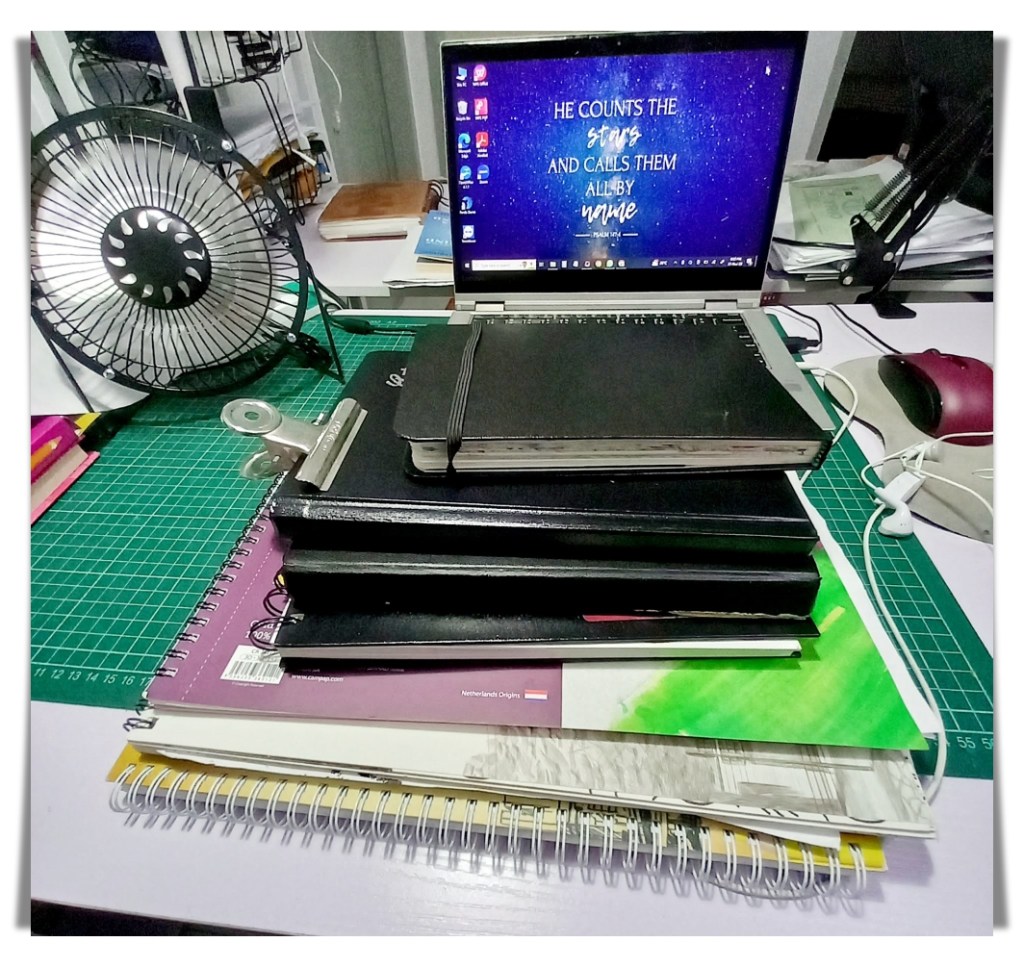
I notice these patterns in small moments. For example, I sit at my computer with a task open in front of me. The work is clear and I know what I need to achieve. After a while, I reach for my phone without thinking. I open Instagram and start doomscrolling cat videos. A few minutes pass and sometimes it stretches to half an hour. When I finally look at the clock on the corner of my screen, I feel a small shock. Nothing important happened, but time is gone. This kind of “yes” feels harmless at the time and it happens more often than I realize. Over time, it detracts from the things I claim to care about.
When I was younger, I said yes more easily. I followed whatever felt more interesting at the time and left things unfinished. These were not always big decisions. Sometimes it was something small, like wanting to revise for an upcoming exam but I ended up reading a magazine instead. Repeated often enough, they eventually shaped how I used my time. But back then, I did not recognize them as choices.
Part of the difficulty is how easily my attention shifts. Technology makes distraction easy. But the pull is not only external. There is also an internal urge to avoid discomfort because it is easier to reach for something light than to stay with something that requires effort.
For a long time, I tried to do too many things at once. I thought being efficient meant I could fit more into my time. Instead, I felt stretched thin. I became exhausted, and over time, I felt anxious. I was trying to move everything forward without accepting that my time and energy are limited. It’s a paradox: that pattern created more pressure and not less.
When things didn’t work, I felt frustrated. That frustration sometimes turned into resentment. I blamed my lack of time on external things like my responsibilities, my family, and the situation around me. However, that was not the full picture. Things changed when I began to accept my limits more honestly. I can only do so much; moreover, most of what I do will not be significant on a larger scale.
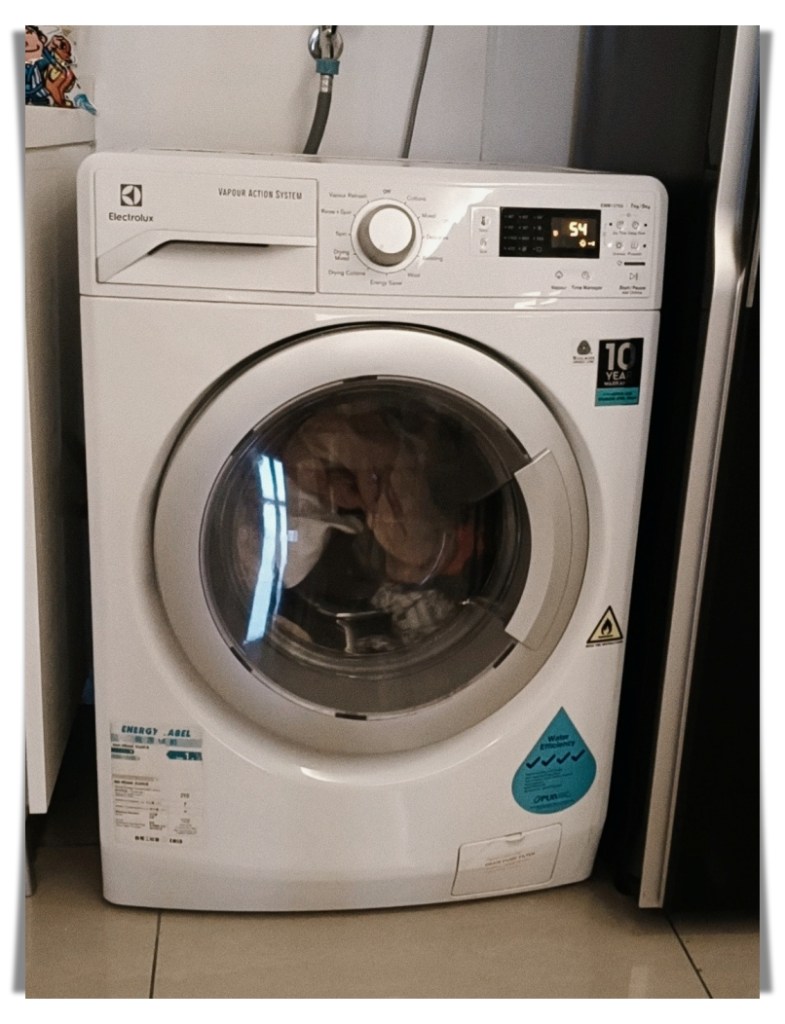
That realization changed how I use my time. I started to value smaller, ordinary things more: cooking for my family, taking care of the home, and being present in simple moments. No matter how mundane these things are, they are part of my life. It also clarified what matters to me.
When my priorities are unclear, everything starts to feel urgent. It becomes harder to say no because everything feels important. When I know what I want to focus on, it is easier to step away from what does not support it. I still do not say no as often as I should but I notice it more now. I see it in the small decisions that do not seem important at first but if I pause, I can see where they lead.
I write about Iban culture, ancestral rituals, creative life, emotional truths, and the quiet transformations of love, motherhood, and identity. If this speaks to you, subscribe and journey with me.



 Olivia's Atelier