


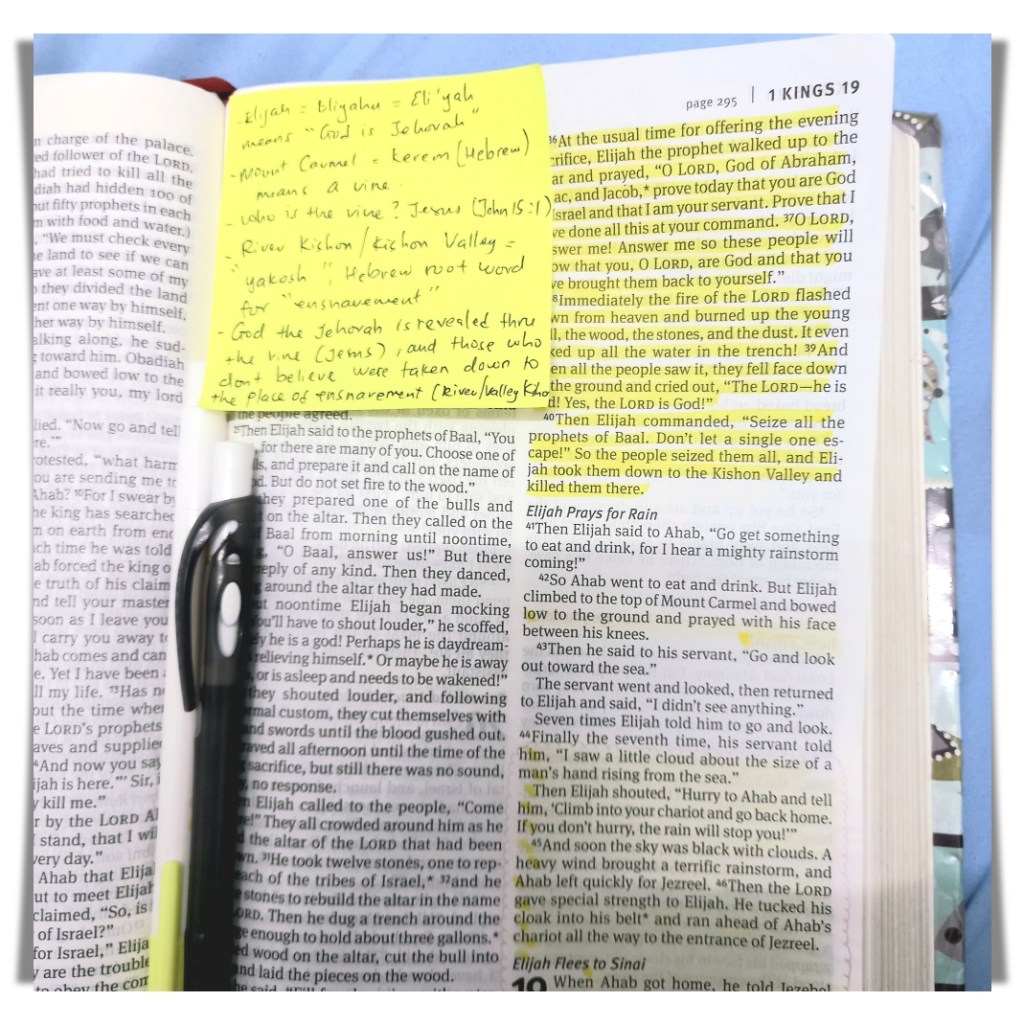
If I were to answer this in the usual manner, I would probably say a teacher from school or someone who left a lasting impression on me. But when I think about influence more deeply, the answer does not point to a single person but to an organization. The church. The church was the most important teacher in my life.
For many years, the church shaped how I saw the world and my place in it. It influenced how I interpreted right and wrong, how I made choices, and how I approached questions about life. Because it was a part of my everyday life, I didn’t always notice how it influenced me. It felt normal, like a framework I could rely on.
That structure eventually became the way through which I processed most things. I learned to read selectively and only chose what aligned with the church’s values. I learned to ask questions carefully because some questions and topics are off-limits or could raise suspicions about my spiritual health. There was a limit to my curiosity, even if I didn’t always see it. But I didn’t think of this as a problem at the time. I considered it a sign of being responsible and disciplined. It also gave me a sense of direction and how to deal with uncertainty.
However, the church’s influence didn’t go away after I left. If anything, it made that influence more clear. Without it as my main point of reference, I started to see how much my outlook had changed over the years. Some reactions and patterns of thinking didn’t come from nowhere. They had been formed slowly and consistently over time.
This awareness grew over time and it showed up in little things. For example, when I read something and didn’t feel the urge to assess it against a set of beliefs. Another example is when I let a question remain open without feeling like I had to address it right away. What I noticed most was recognizing a familiar thinking pattern and stopping before going further.
Recently, I have been reading Oliver Burkeman’s Four Thousand Weeks. The book does not present entirely new ideas, but it changed how I relate to what I had learned before. The idea that time is finite and not everything can be pursued has impacted how I see my life. It does not give me a new set of rules to follow. Instead, it reminds me that my time is limited and that I cannot do everything, no matter how much I want to.
Now, when I think about influence, it no longer refers to a single person or idea. It feels more like layers that have been added over time. Being in church for a long time shaped some of the ways I thought. Now, I question them and choose which ones still make sense to me. They still affect how I think, but I am more aware of them than I used to be.
I write about Iban culture, ancestral rituals, creative life, emotional truths, and the quiet transformations of love, motherhood, and identity. If this speaks to you, subscribe and journey with me.
 Olivia's Atelier