
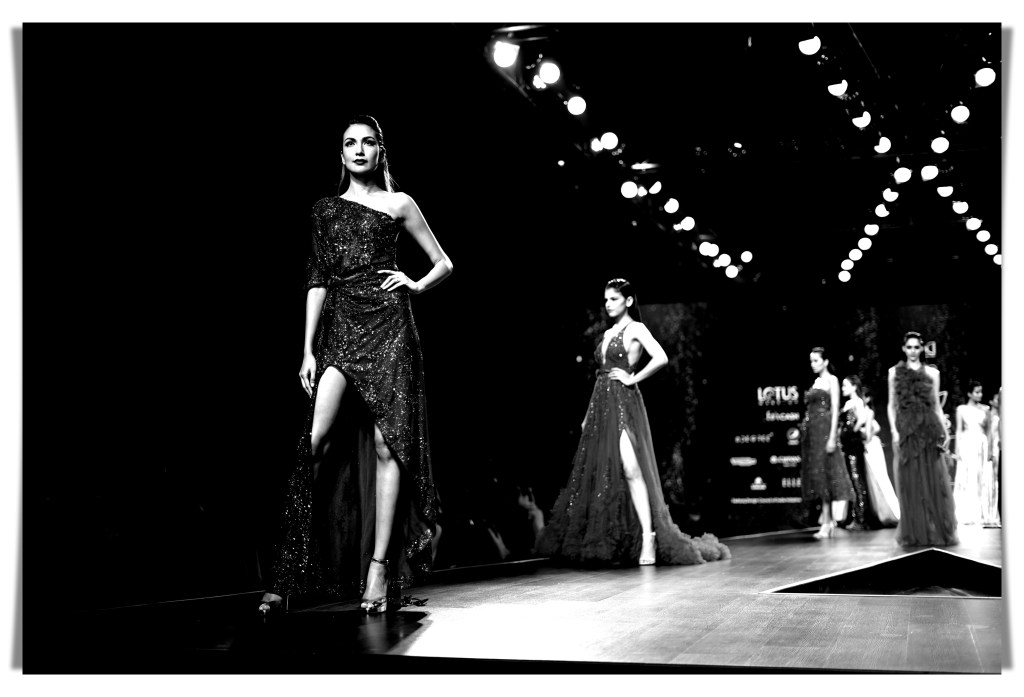
I grew up in the 90s, an era when beauty was defined in strict, unyielding ways. The girls in the magazines didn’t look like the women I knew at all. They had thin bodies, sharp cheekbones, long arms and legs, and faces that hadn’t changed with age or life. At the time, I didn’t have the words to articulate it. I only knew that I didn’t look like the girls on the covers, and something inside me subconsciously decided that meant I wasn’t good enough.
Back then, I thought that being beautiful was necessary to fit in. I thought that people who judged worth by physical appearance were the ones who gave approval. I thought that the only way to make up for what I was missing was to be good at other things. So I worked hard and made sure my grades were good. I worked hard to get a good job. Throughout the years I learned how to pretend and not draw attention to myself and how not to embarrass myself. It felt like the safest way to get around in a world where my body never matched the acceptable standard.
It took years for me to see how fake and shallow that standard was. The Western beauty standard that we got from TV, fashion magazines, and advertisements was very narrow and spread far beyond where it started. It glorified extreme thinness, having smooth skin, hairlessness, small features, and not showing signs of aging. These traits were shown as universal signs of beauty, even though they didn’t apply to most real women. I didn’t think about this when I was a teenager. I assumed the failure was my fault.
As more information from the Epstein files has come to light in the last few months, I’ve been looking back at that period in my life in a different way. I don’t want to accuse anyone or make direct connections between crimes and culture. But it’s impossible to ignore how closely some parts of the fashion and beauty industries were linked to powerful men who surrounded themselves with very young girls. When youthfulness was not only admired but also aggressively idealized, and when the individuals who shaped those ideals possessed significant power and influence, the standards ceased to appear neutral. They start to look like reflections of a gaze that was never meant to be good for women.
For decades, feminists have been critical of beauty culture. I could understand the criticism in theory long before I felt it in my life. I didn’t know any of this when I was a teenager. I only knew that my body looked different from what the world thought was beautiful and celebrated. I only felt the silent, constant feeling of not being good enough. Now that I know that some of those ideals were reinforced in places where people were taken advantage of, that old insecurity feels more profound and complicated, and it’s harder to brush off as teenage self-doubt.
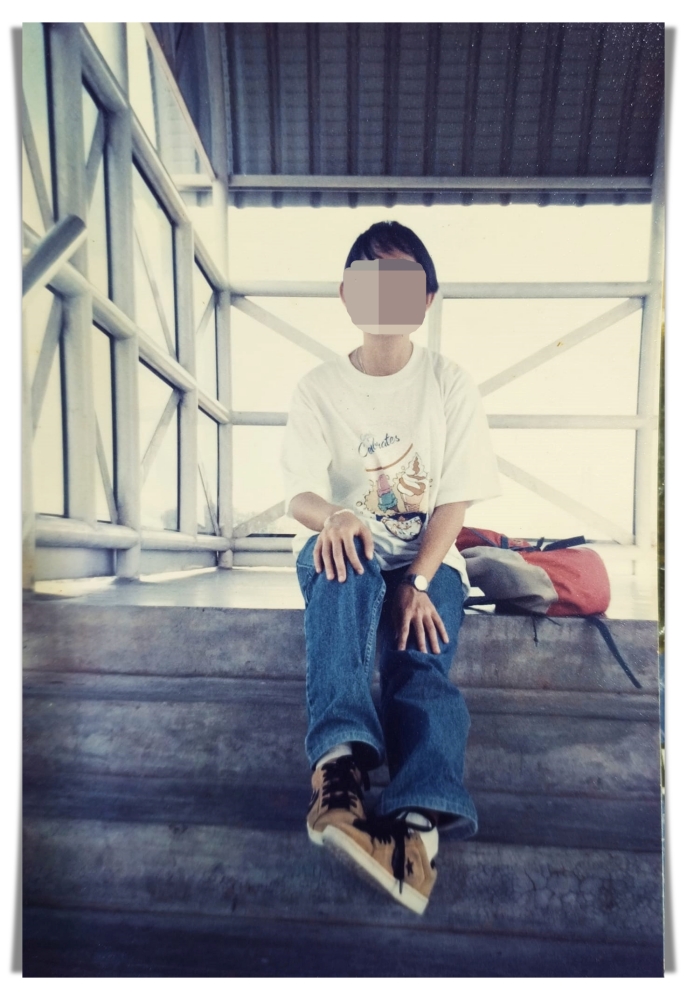
When I think about my teenage self now, I see a girl who was trying to figure out where she fit in a world that kept narrowing the definition of beauty. I see her flipping through fashion or teenage magazines with her friends at school and tracing the lines of faces she thought she was supposed to aspire to. I see the way she was hiding her pain behind success. She didn’t know that what she was doing was part of a much more complex system. She only knew that she felt like she was outside of something she couldn’t see but felt deeply in her core.
If I could sit with her today, I would not offer some cliche advice. Advice points to a resolution, but I honestly don’t have any resolutions to offer when I still carry the echoes of those insecurities. I still notice how easily I slip back into old comparisons. I still feel the effects of growing up in a culture that taught girls to always judge themselves. Even decades later, the healing process has not been smooth, and I doubt I will ever fully heal. Some days are better. Some days are not. When the pattern is deeply rooted in you, it’s impossible to heal, though mindset can be trained and shifted.
These are the things I would do:
I wouldn’t tell her to be confident. I wouldn’t tell her to love herself more. Those instructions would still feel empty and shallow. I would tell her that I’m sorry they lied to her. Nothing was wrong with her body, I would assure her. That she was never supposed to look like the girls she compared herself to. That the standard she used to judge herself was not made for real women, and definitely not for teenage girls who are still figuring out who they are. This standard was shaped by power, profit, and a perspective that narrowed the definition of womanhood while objectifying women. I would tell her that the shame she felt didn’t come from inside her. It was learned and religiously absorbed. It was reinforced daily by images and messages she had no reason to mistrust at that age.
I can’t change what she went through. I can’t restore the years she felt insignificant or invisible. However, I can accept what happened without trying to justify it or improve it.
The anger I feel now is not directed at her. It is directed at a culture that normalized her self-doubt and insecurity. It’s an evil culture that told girls to shrink themselves to be accepted and then rewarded them for compliance. My rage is directed at a culture that taught vulnerable women to mistake discomfort for personal failure.
This is all I can give her. I don’t have a solution or any comfort to offer: You were never the problem. You were growing up in a system that didn’t know how to treat girls with respect and dignity. And confronting that truth now reshapes how I understand those early years.
I write about Iban culture, ancestral rituals, creative life, emotional truths, and the quiet transformations of love, motherhood, and identity. If this speaks to you, subscribe and journey with me.


 Olivia's Atelier