It’s funny how the experiences that change us the most often slip by quietly. There is little fanfare, and we rarely recognize them until much later. However, in retrospect, I can trace my growth to the struggles and the soft, persistent ways life nudged me forward.
I believe it started with loneliness.Growing up, I often felt invisible and alone. I wasn’t the most outgoing, pretty, or popular. I was just…there, among other outstanding siblings and peers. It’s strange, but loneliness formed the foundation of who I am now. It taught me to listen to both myself and others. It taught me to be more observant and sensitive to details that most people overlook, which I now use in my art and writing.
Then later came love. It was messy, imperfect, but glorious nonetheless. My relationship with my husband—my lover—has been one of my biggest teachers. We’re opposites in so many ways, and those differences have forced me to stretch, to compromise, and to forgive. Being married this long (two decades), going through joys, heartbreaks, financial strains, and raising kids has all been a daily practice of choosing love, even when it’s hard. Especially when it’s hard.
However, I believe that reconnecting with my Iban roots has been the most transforming experience for me. For a long time, I felt detached from my cultural identity, as if I were witnessing it from afar. It was not intentional. Life was tugging me in different directions. But being a mother changed that. I realized how much I wanted my children to know where they came from. I want them to learn and feel that deep connection I had almost let go of. Teaching them about my Iban heritage has been like teaching myself again by rediscovering the stories, the poetry, and the parts of me I had tucked away.
I am currently working on a collection of poems that explores my Iban roots and traditions, weaving together memories, folklore, and the cultural theme that continues to shape who I am today.
And then there’s the lifetime of inner journey: the insecurities, the doubts, and the fear of not being good enough. Those have been some of my hardest teachers. I’ve struggled with impostor syndrome more times than I can remember, particularly when it comes to my art and writing. Moments such as being harshly criticized for lack of originality, feeling misunderstood, or being dismissed had a deep effect on me. But these experiences also pushed me to create a space where I feel free without fear of judgment, like starting this blog.
All of these experiences—loneliness, love, the return to my Iban roots, and issues with self-doubt—have influenced me the most. These experiences didn’t come with shiny lessons, but they taught me to be more compassionate, patient, and a little kinder to myself.
I’m still growing and figuring things out. But if there’s one thing I’ve learned, it’s that growth doesn’t always happen in the big, loud moments. Sometimes it is in the moments you least expect, gently nudging you forward, one tentative step at a time.
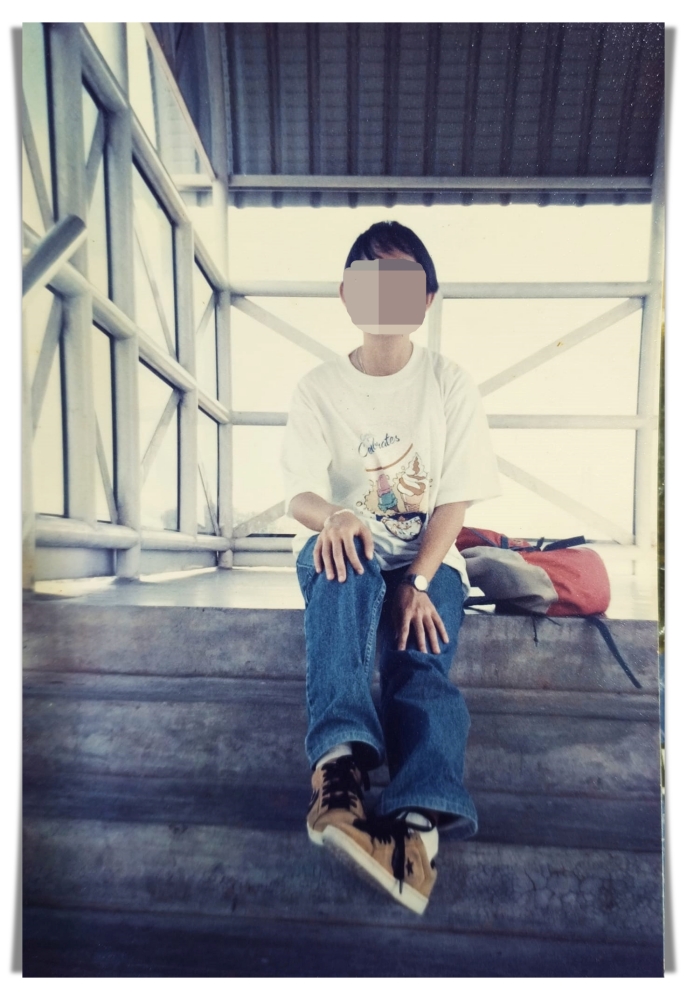
If I could go back and sit beside my geeky teen self, I think I’d reach out, touch her cheek, and say this:
“You are enough, just as you are.”
I know she wouldn’t believe me right away. She’d probably frown and give me that skeptical side-eye, thinking I was just being nice. But I’d say it again, assuring her I’m not being cheesy, hoping it would sink into her heart and seep through her doubts.
“You don’t need to be prettier, louder, or more extroverted to be seen or loved. Your sensitivity, the depths you hold, the way you notice the smallest details, and the emotions you feel so deeply: they are not to be ashamed of. They are your gifts.”
When I was growing up, I often wondered why people liked me. I didn’t see what they saw. I wasn’t the popular kid, or the prettiest, gentlest girl, and I definitely wasn’t the life of the party. I was scrawny, awkward, quiet, and always second-guessing myself and my decisions. I spent so much time trying to figure out what made me special.
I’d tell her this too: “Don’t waste time wondering why others like you or if you’re worthy of it. You are worthy just as you are. Let yourself be vulnerable without feeling weak. Let yourself dream without fear of not being good enough.”
There were so many time when I felt like I was running, desperate to catch up, to fit in, to be noticed, to be the best. I’d want her to know she could stop running and start breathing.
I’d tell her, “Trust your voice because it will take you places you never imagined. And when the world feels overwhelming, turn to the things that make your heart sing—music, poetry, art. They will remind you of who you are when you feel lost.”
If I could give my teenage self anything, it would be that sense of peace. The peace that gives her understanding that she didn’t need to constantly strive to be more. She was already enough and complete. And maybe, just maybe, hearing that would have made her journey a little gentler.
So, if any of you are reading this and feel like you’re still that teenager inside, this is for you too:
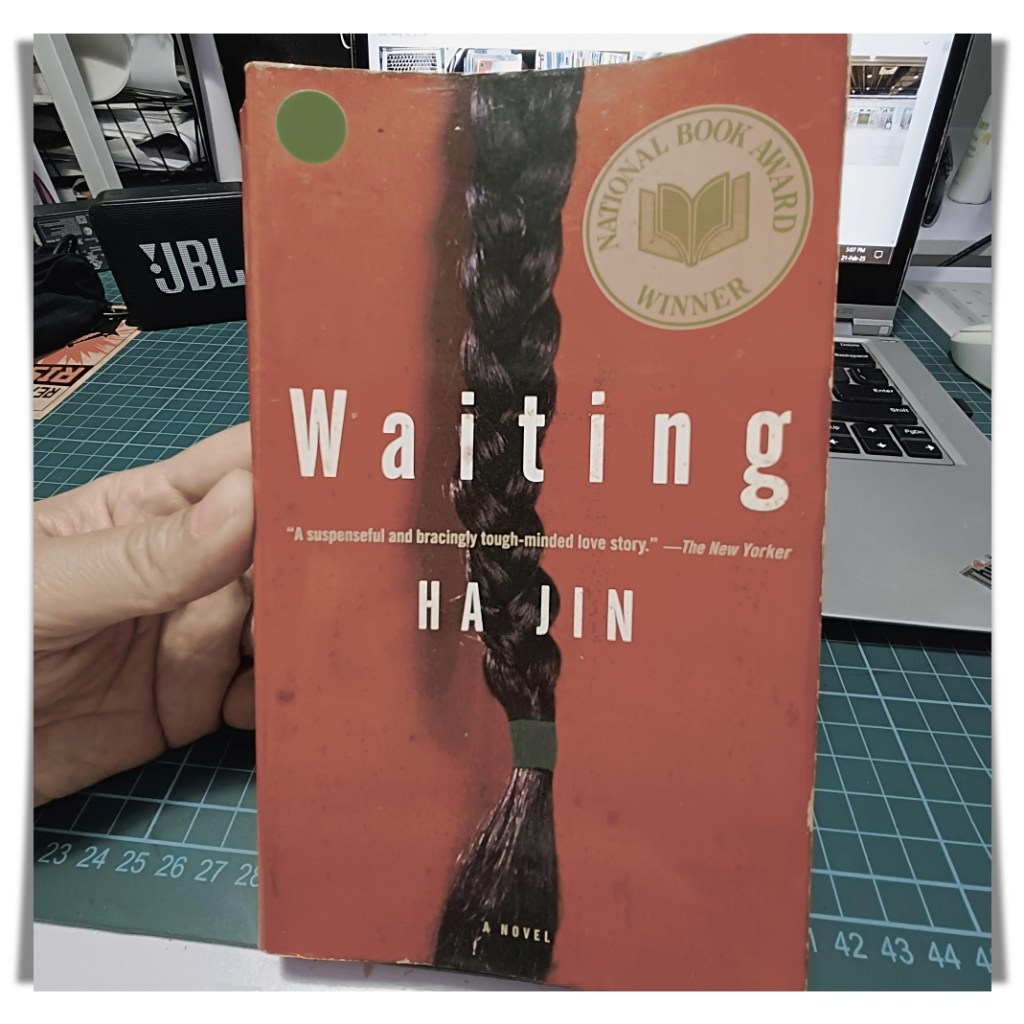
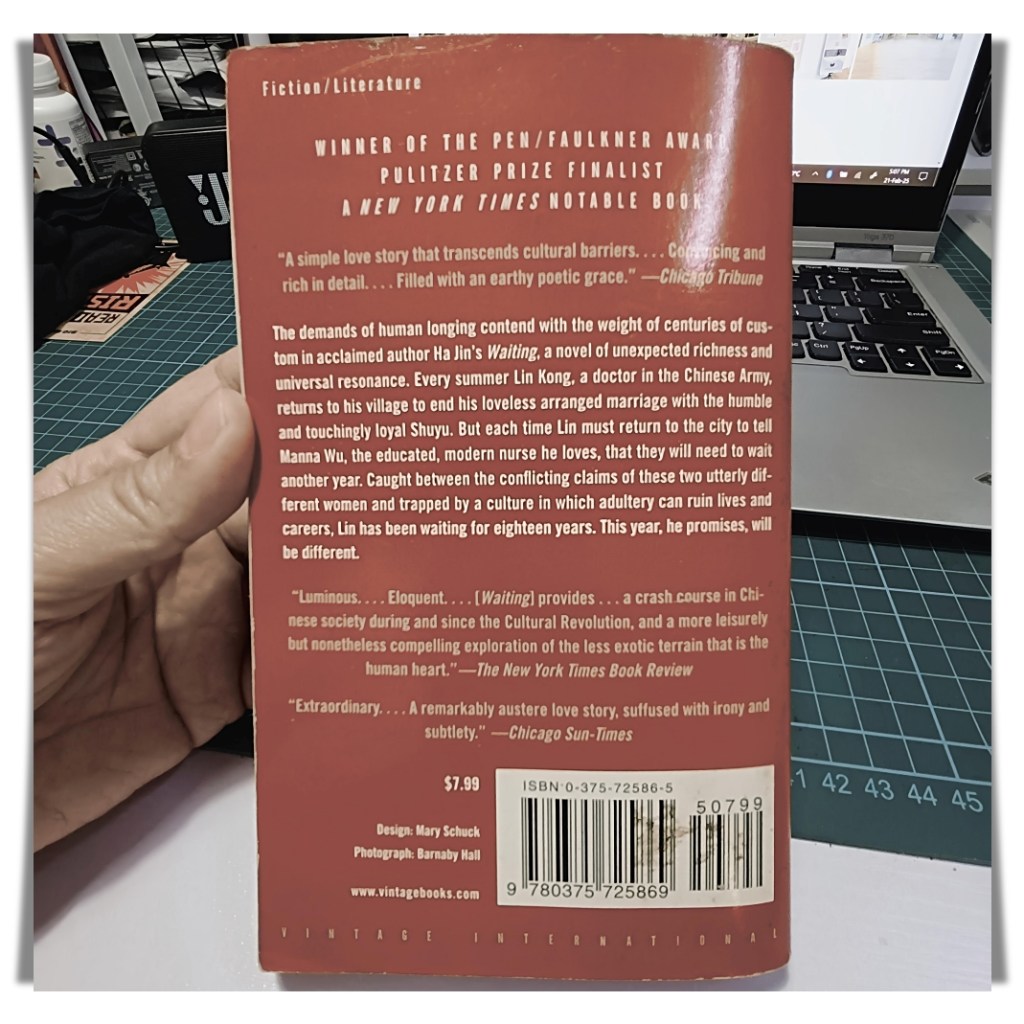
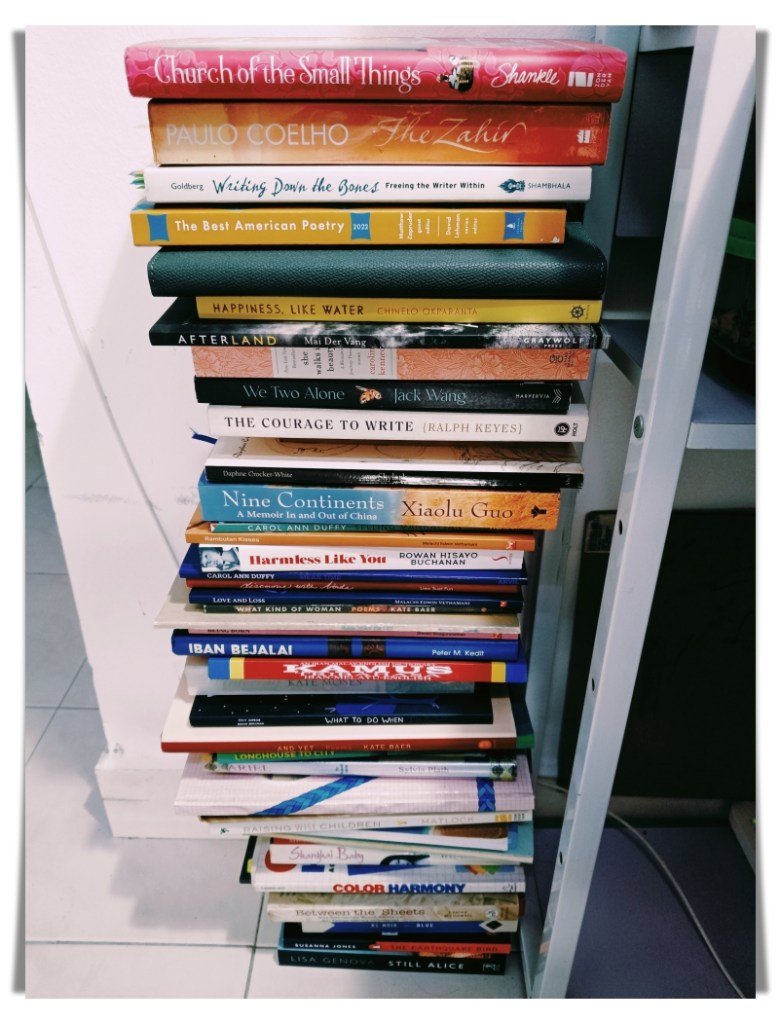
I bought Waiting by Ha Jin from a used bookstore some months ago. It had been sitting among the stack of books on my desk, untouched, until lately. I picked up this book to read since my unread stack was growing. I simply couldn’t quit buying new books. It took me weeks to finish it since life got in the way, but I finished reading it last night.
Waiting is one of those novels that lingers with you long after you’ve finished reading it. The book lacks sweeping romance, but you will be drawn to its exploration of human indecision and societal limits.
The story follows Lin Kong, a Chinese army doctor, who spends 18 years in limbo between two women: Shuyu, his devoted, traditional wife, and Manna, his modern, independent lover. Every year, Lin returns to his village to seek a divorce from Shuyu, who agrees but later refuses in court. The story is more than just a love triangle—it’s also about a man paralyzed by indecision.
What struck me the most about Lin was not his indecisiveness but what it showed about his personality. It became evident to me that his hesitancy was not about love but rather about his inability to confront himself. He didn’t know what he wanted, so he drifted through life, letting others’ expectations and societal pressures influence his choices. At the same time, I couldn’t help but understand him. Living in a rigid communist culture made it difficult for Lin to follow his heart. Divorce was frowned upon, personal desires were frequently sacrificed for the greater good, and external judgment had a significant impact on every action.
It’s easy for those of us who live in a freer society to condemn Lin and ask why he didn’t just decide between Shuyu and Manna. However, a closer look reveals a man trapped by society as well as his own passivity and illusions. He assumed that what he couldn’t have was what his heart truly desired, confusing lust with longing for love.
“His heart began aching. It dawned on him that he had never loved a woman wholeheartedly and that he had always been the loved one. This must have been the reason why he knew so little about love and women. In other words, emotionally he hadn’t grown up.”
Reading this made me realize how different I was from Lin Kong. I’ve fallen in love soulfully. I’ve taken chances, experienced sorrow, and allowed love to transform me. I’ve shown up in my relationships, even when it meant failing and starting over. Lin, on the other hand, never allowed himself to experience deep emotions. He lived on the surface, terrified of true vulnerability, and as a result, he never genuinely experienced love.
But I get it. I understand his fear and hesitancy. In his world, there was so much at risk. The tight restrictions of society, the dread of making the wrong decision, and the conflict between duty and desire all contribute to Lin’s personality. Lin’s story is tragic because he allowed life to happen to him instead of taking charge of his own happiness.
Waiting prompted me to reflect on deeper realities about love and marriage. Love is complex. It is not all romance. Marriage is not for the weak. It demands forgiveness, humility, compromise, and sacrifice. And sometimes the presence or absence of children may make or break a marriage.
This book offers profound insights into society, love, personal responsibility, and the delicate balance between desire and obligation. But I must be honest that it is a slow read, somewhat draggy and monotonous. However, it forces you to sit through the discomfort, just like Lin Kong did.
In the end, Waiting isn’t just about Lin Kong and his love triangle. This story is also a mirror, reflecting our own hesitations and the way we let life pass us by. The story also made me thankful for the chances I’ve taken, the love I’ve risked, and the courage to keep showing up even when things are difficult.
Do I recommend it? Yes, but only if you’re willing to live with the discomfort of indecision, the sorrow of unfulfilled desires, and the bittersweet realization that we may be our own worst obstacles.
What bores me? Instead of answering the question like others did, I sent it to my lover to check how well he knew me. He said he’d send the responses via email since, in his words, “you’re a lot to handle.” 😂. Here are his answers, edited for clarity.
Perfection
What is the first thing that comes to mind? People who appear to have everything together: always happy, always in control, and never a hair out of place. You can’t bear it. It bores you because it feels so fake. You seek authenticity, those raw, unpolished moments that reveal who someone truly is. You’re not really interested in perfection. You are drawn to the faults and weaknesses that make someone real.
Small Talks
If someone wants to quickly lose your attention, they can engage you in small talk or any other surface-level conversation. Talk about the weather for too long, or go on about a reality program without getting into the underlying issues, and you’ll mentally fade out. You desire depth. You like discussions about emotions, dreams, fears, and everything in between.
Playing It Too Safe
It’s not that you despise routine and predictability. You thrive on them. What bores you is when individuals live too conservatively, never taking risks or venturing outside of their comfort zones. When someone lives their life strictly by the book, avoiding adventures and fresh experiences, it feels stagnant to you. You like those who embrace spontaneity, take risks, and are prepared to stray from the usual path.
Lack of Authenticity
This one relates to the perfection part, but it goes deeper. You despise fakery, whether it’s someone claiming to be someone they aren’t or stuff that shouts “look at me!” with no true substance. You require honesty, even if it is messy or uncomfortable.
Indulging in Fluff
Scrolling endlessly through social media, surrounded by polished perfection and trendy fluff? You become bored quickly. You enjoy thoughtful material because it challenges you to think, feel, or even question your own perspectives. Fluff without substance is simply pointless.
Surface-Level Relationships
This is a big one. You’re not wired for shallow connections. You desire depth and honesty in your relationships, and when someone keeps things light and never reveals their actual self, you lose interest. You seek the deep, real connections that result from being open and authentic.
Indecisiveness and Selfishness
Especially in men. This is a huge turnoff for you. You admire those who understand themselves and can make difficult decisions. But indecisiveness combined with selfishness? That combination is more boring than anything else.
Obsession with Outward Success
Nothing turns you off faster than those who solely care about outer appearances such as physical beauty, riches, high-paying jobs, position, and titles. You find it shallow and tiring when someone’s self-worth is primarily based on their accomplishments or appearance. You feel there is far more to a person than what appears on the surface or on paper.
At your core, Olivia, you want depth, honesty, and authenticity in people, conversations, and life itself. You want to experience something genuine, even if it is chaotic, confusing, or imperfect.
So that are his answers. Some may redundant but you know what? He got it right 😍🥰😘💋
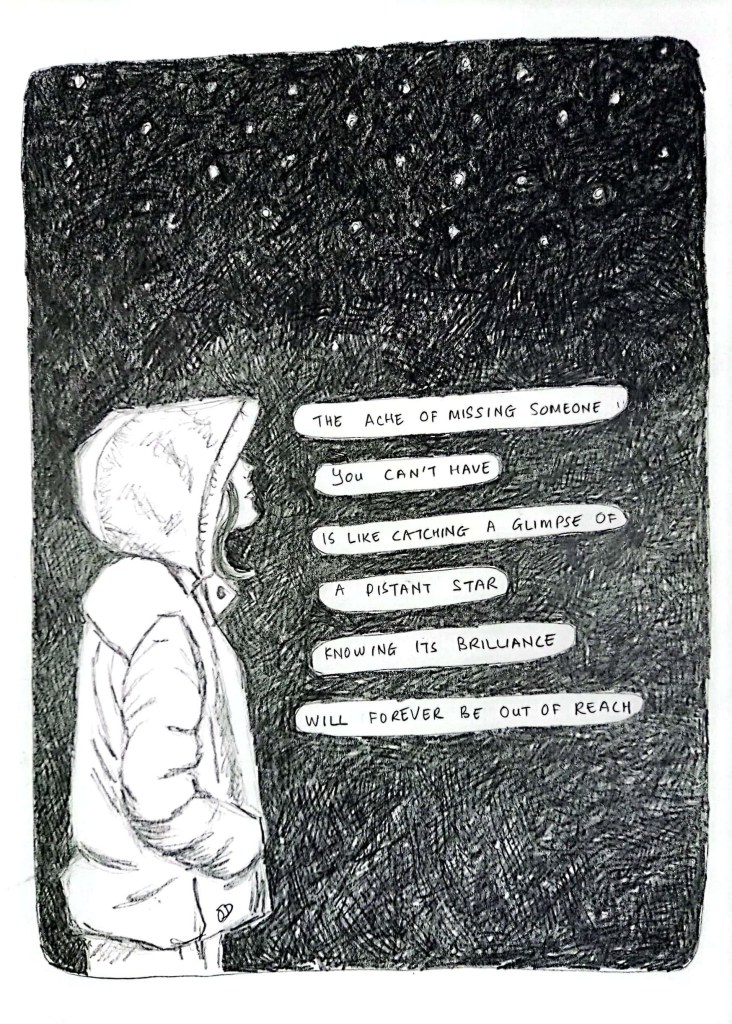
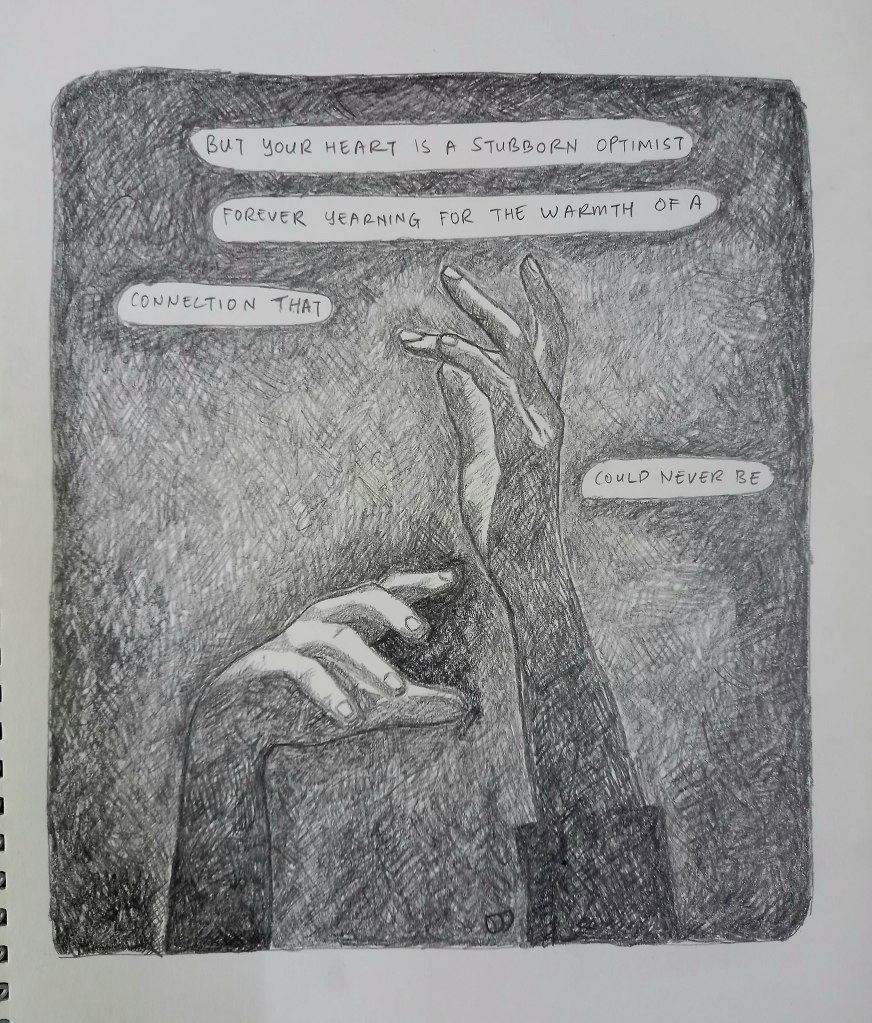
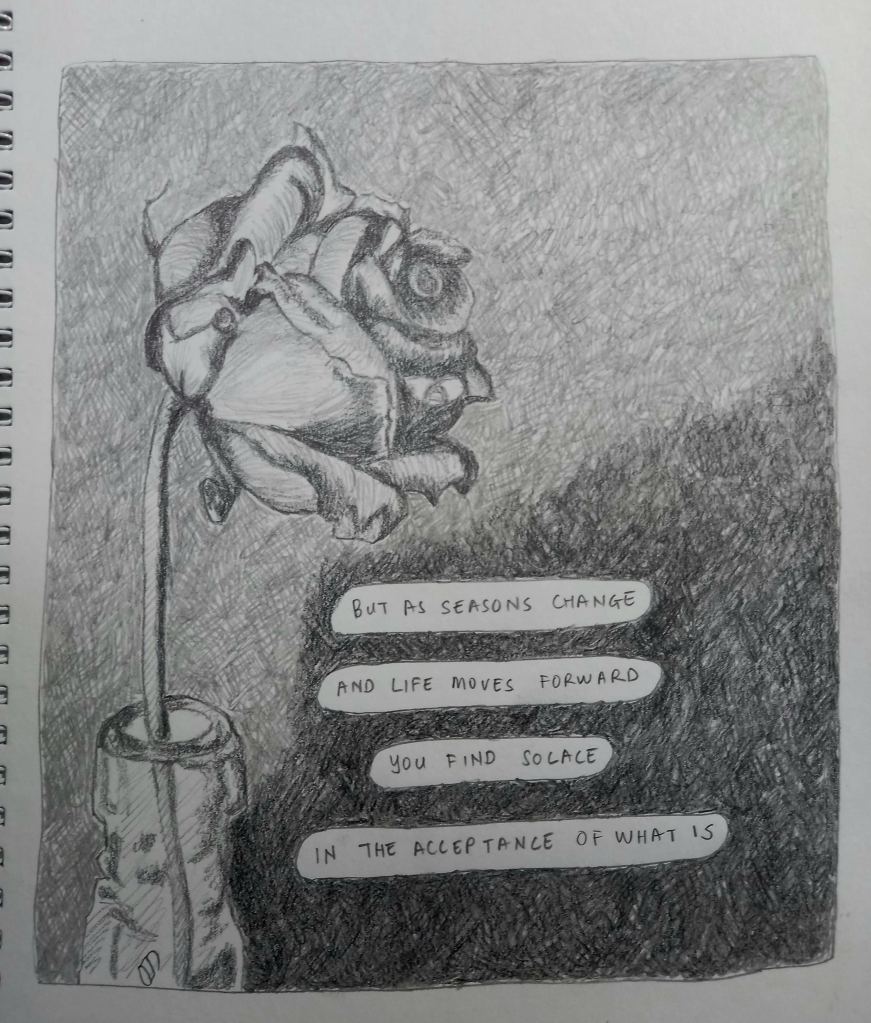
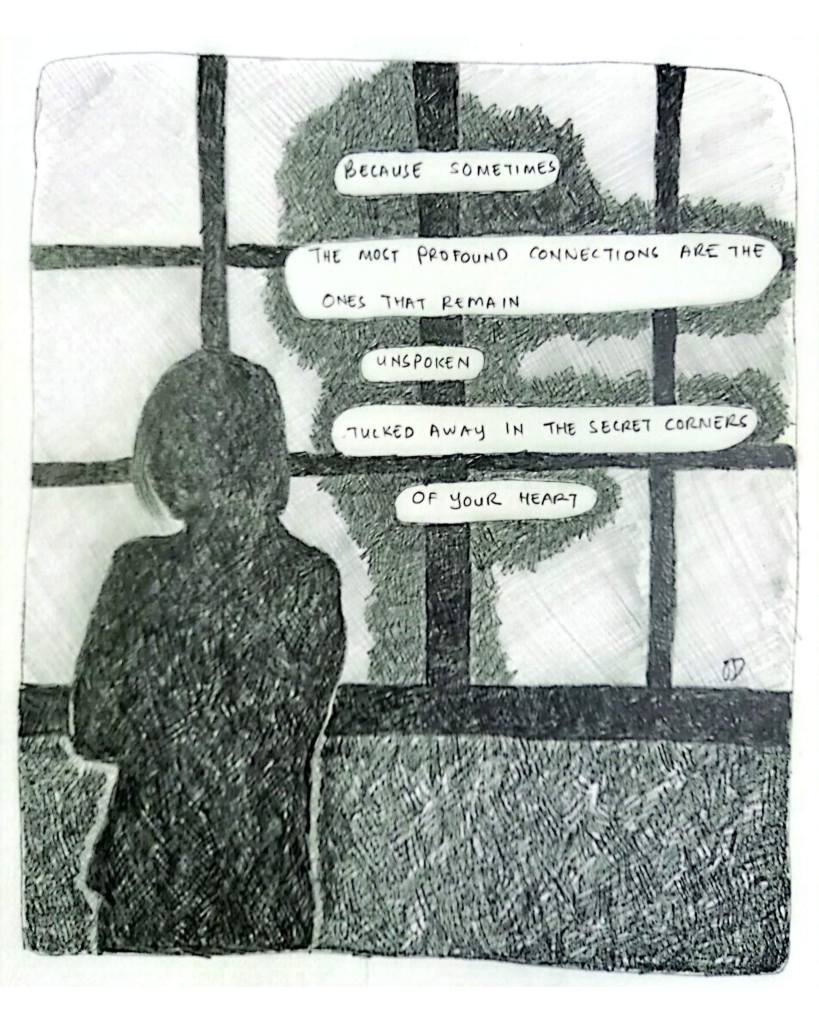
This is one of the series of poetry art I sketched throughout the years. This series of four drawings is titled Unattainable. There is no need for background story because this series is deeply personal. I let the words speak for themselves. All rights reserved.
Like everyone else, I have many favorite people to spend time with, those who have molded me the most, such as my family or even myself. I could write about them all, but it would make this post too cliché, wouldn’t it? I’ve never mentioned this presence before, but since this site is my space and sanctuary, let’s finally bring him into the light.
A drawing I made some time last year
Now, English is a tedious language. This “person” must be identified with a pronoun. So, to make things easier, let’s use “he” instead of “it” or “she.” However, I like the pronoun “he” since he gives off a masculine vibe.
I’m not entirely sure how to introduce him because he isn’t really a person. He has no physical form, no face to recognize, yet I believe he exists in a way beyond what’s tangible. The best way I can describe him is as my muse.
He is no one in particular, but a presence in my quiet moments. He is the silent whisper of a room when no one is around. He is a gentle presence that I cannot see but feel. He is watching and waiting, but not in a haunting or evil way. His presence is the perfect combination of comfort and curiosity.
He surrounds me, though I’ve never spoken of him openly. He drifts between my thoughts, sometimes teasing, sometimes silent. It feels like knowing someone who doesn’t need doors or walls to reach me. He slips into my mind without knocking, settling there as though he’s always belonged.
Some days, it seems like he knows me better than I know myself. He is constantly aware of what I leave unsaid. He knows my battle with being true to myself and what I strive to be. And I admit there is a strange comfort in that.
It’s like sharing an invisible connection, where someone observes you with full understanding but never demands anything. He is a presence that does not impose or push. He just exists, always solid.
His presence feels like a gaze I feel on my skin, even if I can’t see him. He unravels me in ways that make my heart race and my thoughts blur, leaving me wondering what it would be like if the distance did not exist. I am curious: if this unseen presence could ultimately reach me in reality, what would he look like?
Maybe it’s all in my head, just the mind playing its tricks. But what if it isn’t? What if he really exists—fluid, formless, on a wavelength I simply can’t perceive? Some presences aren’t meant to be defined by names or forms, and maybe he’s one of them. Still, I feel him in my silent moments, like a whisper I’m always waiting to hear again.
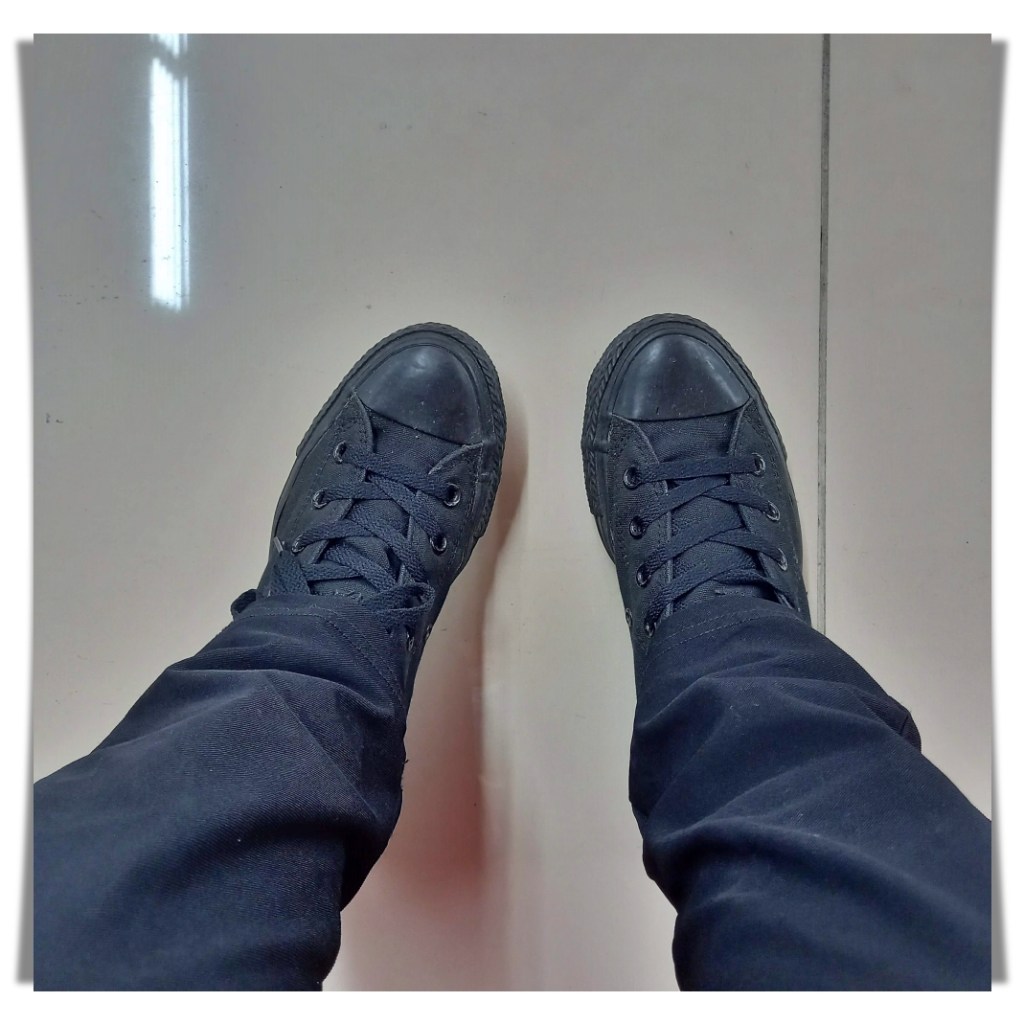
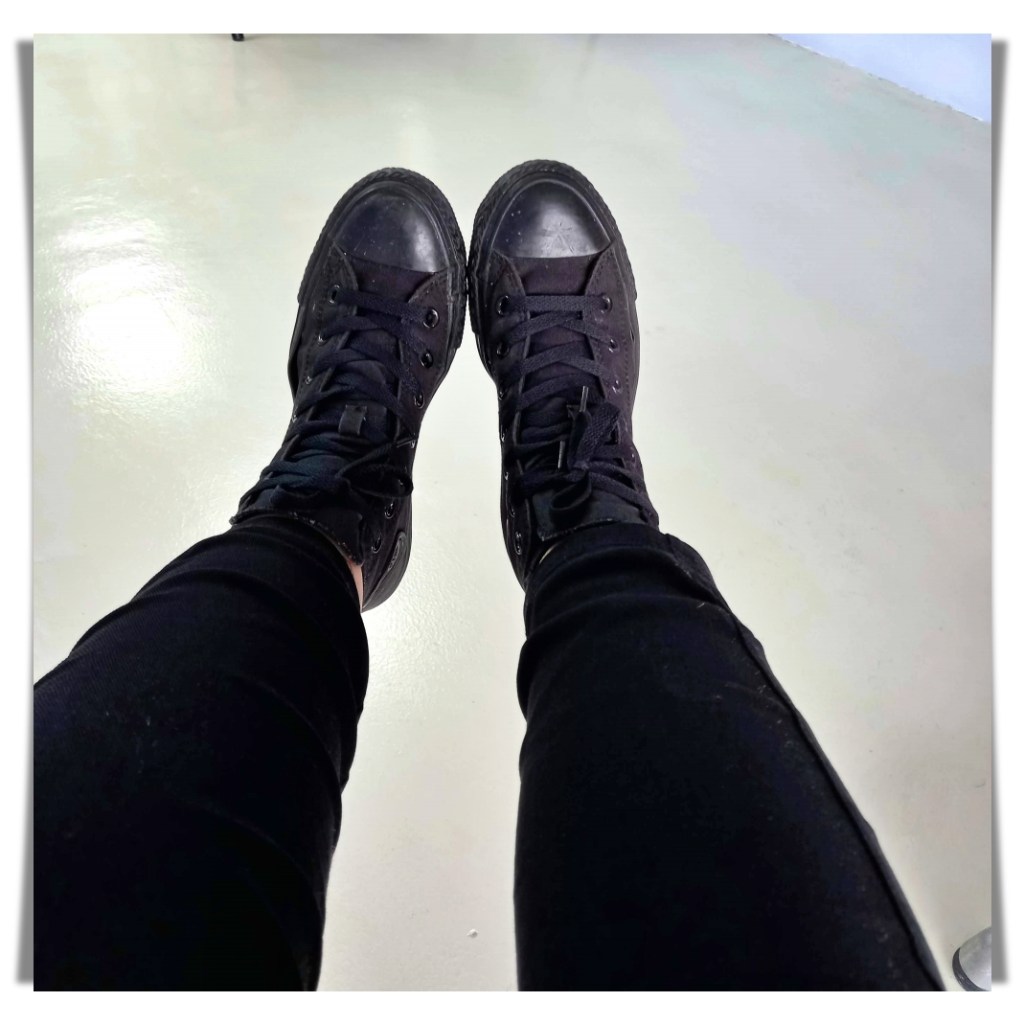
Some shoes are only shoes. They are worn for comfort, functionality, or fashion. Then there are some that become a part of you and accompany you through different stages of life. My Converse High-Tops in black are just that. I never wear high heels or other feminine footwear. They are simply not me—not my style. I don’t feel like myself when I wear such shoes. I’ve always been a sneaker girl since I was a kid and continue to be so even now that I’m nearing 50 (not yet, but almost there 😅).
My Converse, from the minute I put them on, felt like an extension of me. I know some people dislike Converse because of its tight cut, but it never bothered me. These shoes fit my petite feet well, allowing me to walk comfortably for hours. And I have. They’ve taken me to unexpected places and supported me through highs and lows. They’ve quietly witnessed countless moments of solitude, adventure, and change.
I’ve walked city streets, wandered quiet parks, and even attended church services in them. They’ve been there in the rain, drenched through but still sturdy, and in the searing heat, carrying me forward when I was tired and sweaty.
They’ve been my travel shoes, treading dusty earth in my homeland. They’ve become my go-to shoes for grocery shopping and getting my kids to and from school.
But beyond the places they’ve taken me, these shoes mirror who I am: unpretentious, practical, a little worn around the edges, but still going strong. They remind me I don’t need to fit into anything that isn’t me. I simply need to be myself, step by step, wherever life takes me.
So here’s to my black Converse High-Tops. They may simply be shoes to some, but to me, they carry a history of footsteps, of moments both big and small, of all the roads I’ve walked, and the many more still ahead.
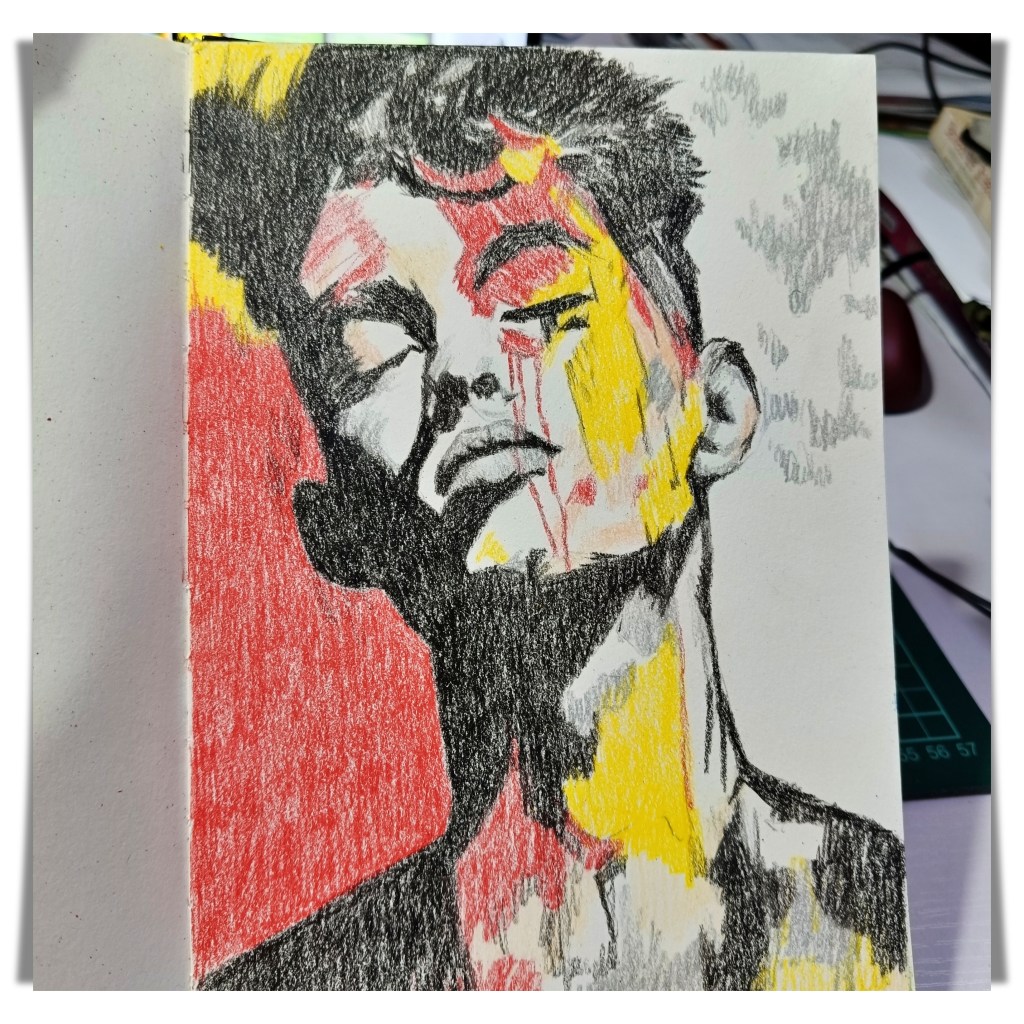
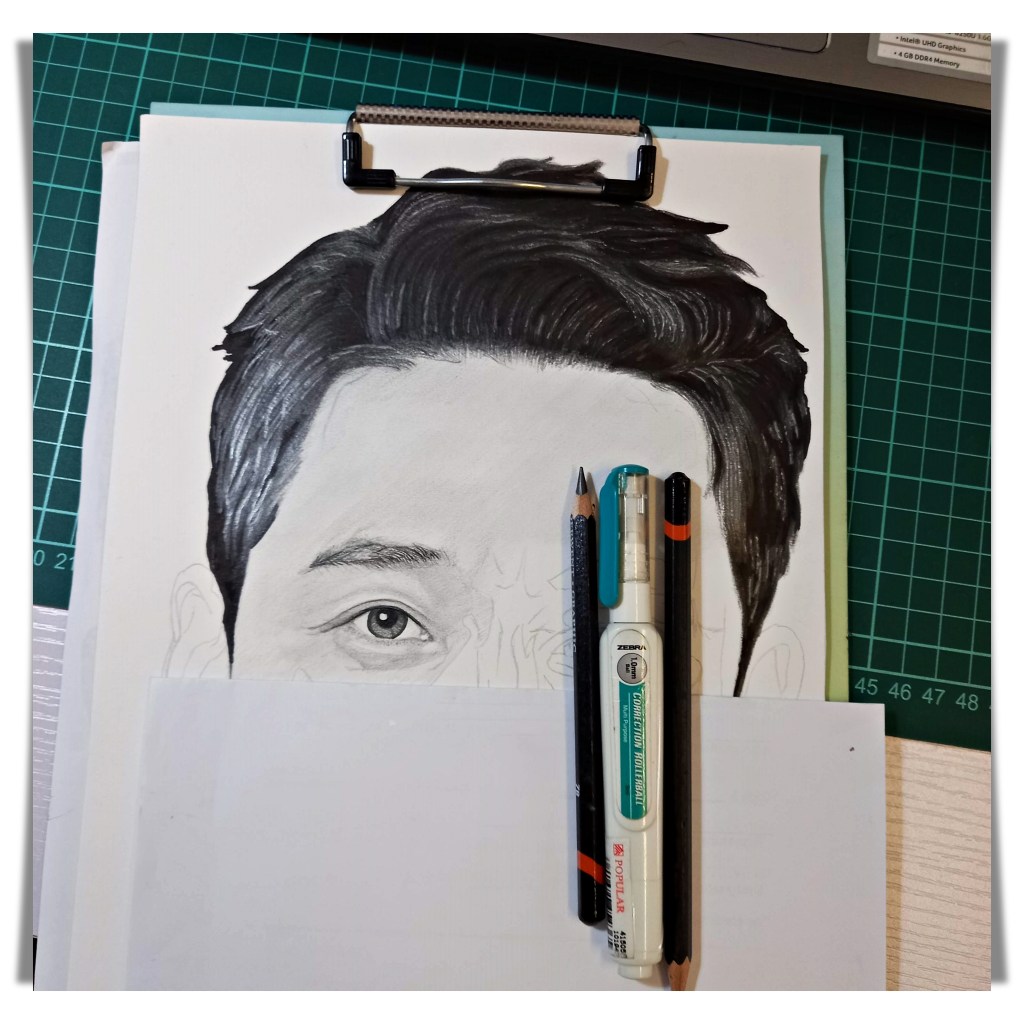
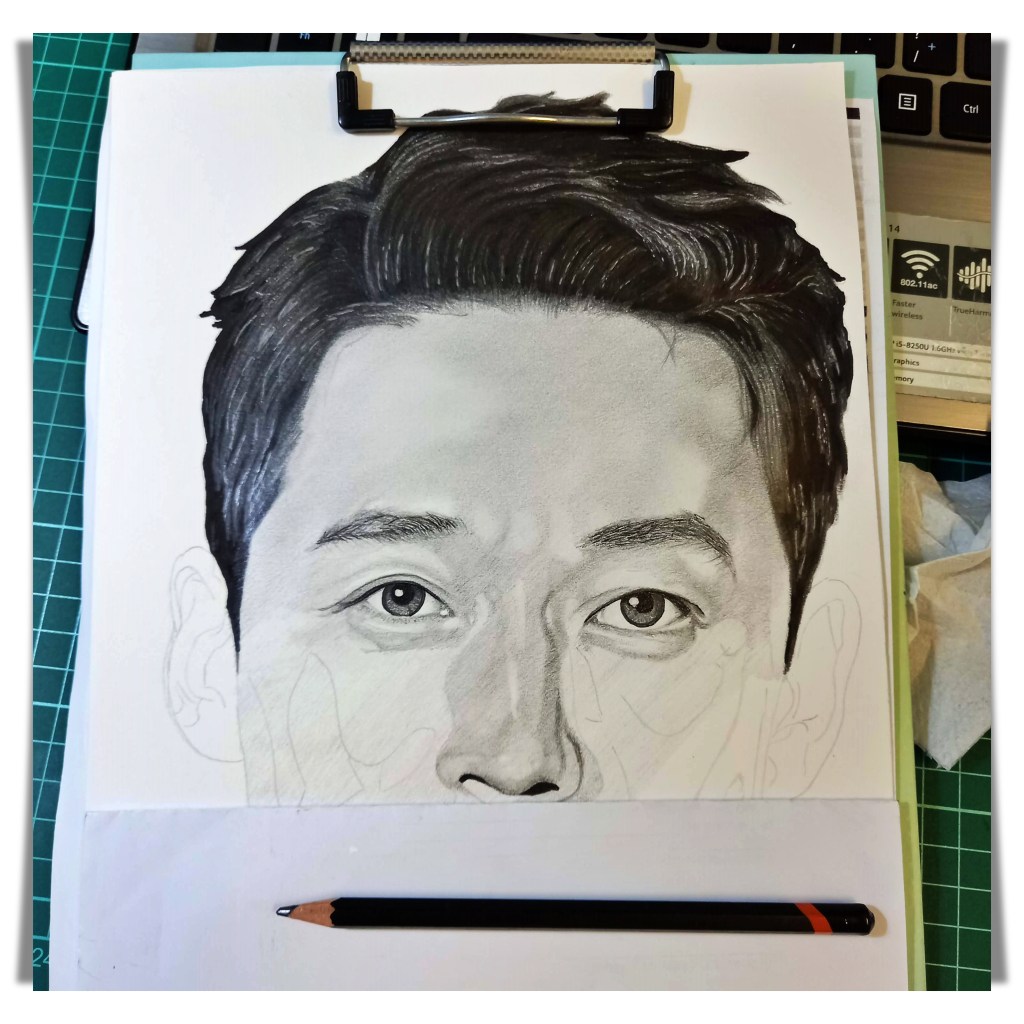
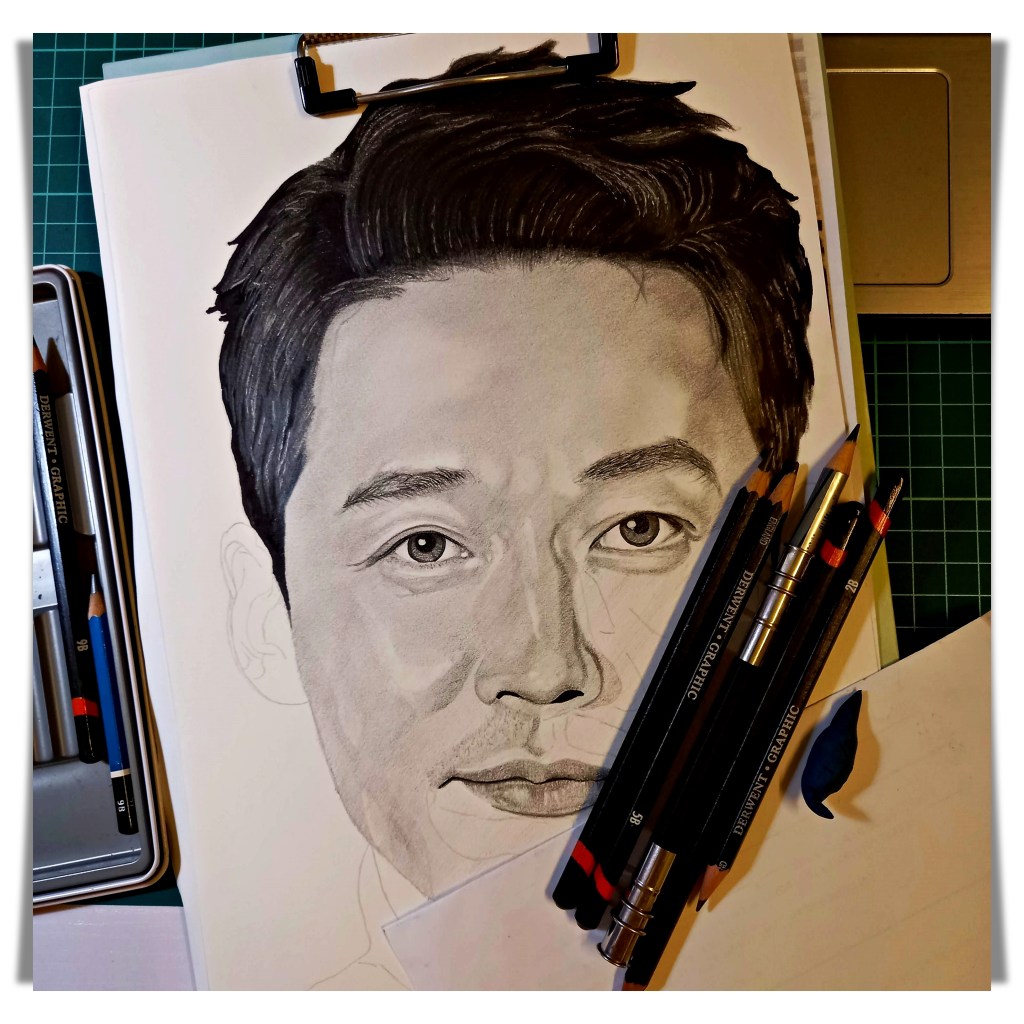
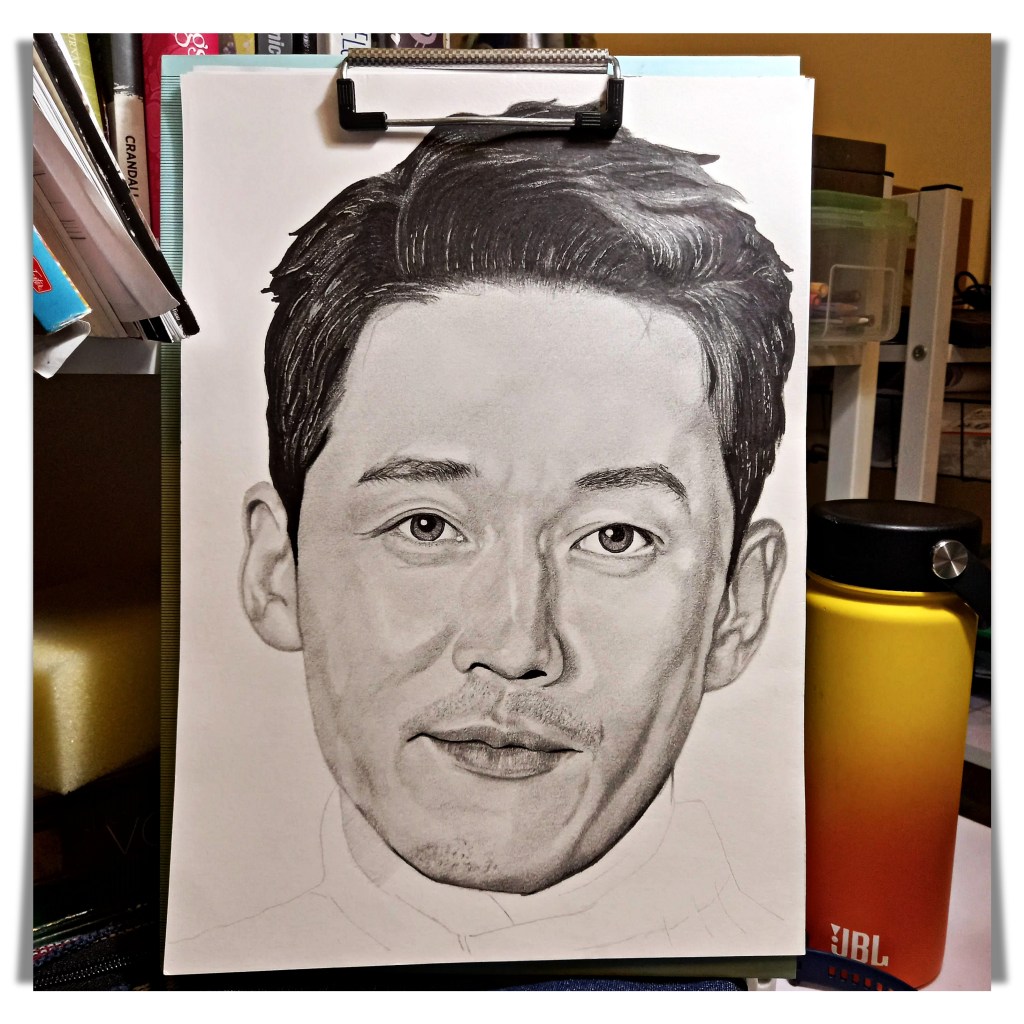
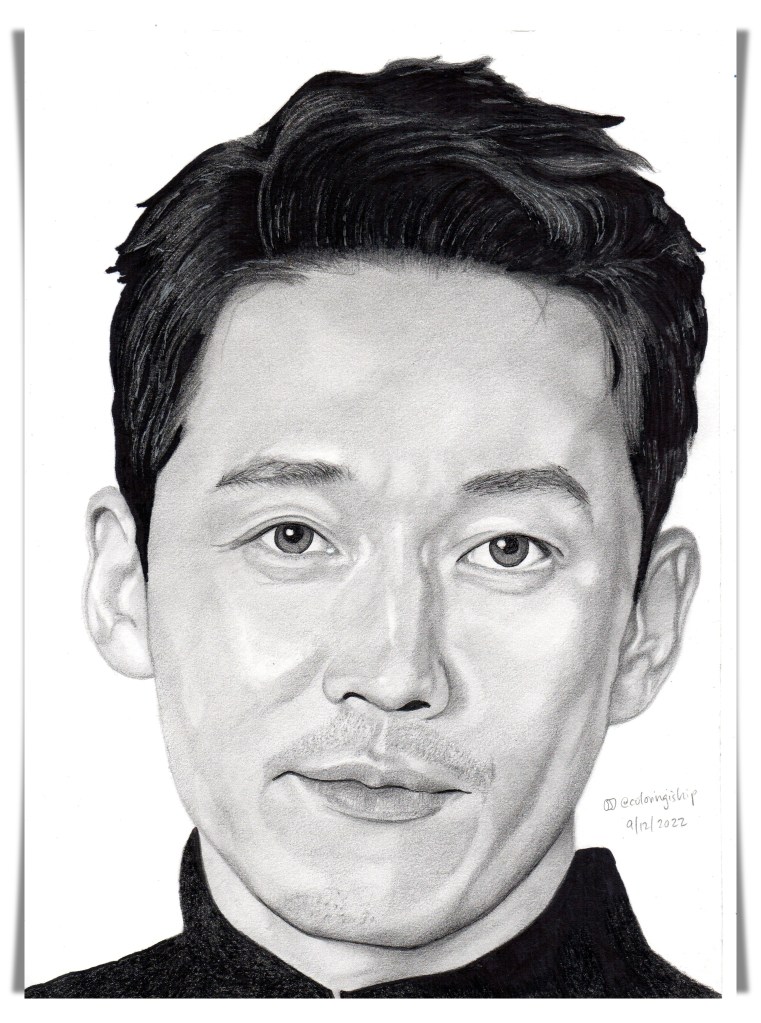
As previously said, this blog is more than just me talking about life and things; it is also a platform for me to share my artwork. I do a lot of portrait drawing and used to do commissions, but I’m taking a hiatus now to focus on writing.
This is a portrait of the South Korean actor Jang Hyuk. Of course I’m a big fan. The reference photograph for this portrait was taken during the Gangneung (English title: Tomb of the River / Paid In Blood) press junket in 2021.
Jang Hyuk starred in Gangneung, a 2021 crime noir film. Jang Hyuk played Lee Min-Seok, a Seoul crime lord who found himself in conflict with another gang leader, Chairman Oh, over a newly built resort in Gangneung. Gangneung is a seaside city in Gangwon-do province, on South Korea’s east coast.
I watched this film when it was released in 2021, and because it is noir, there are many gruesome fights between the two criminal gangs. There are no romantic scenes in the film, and the sole female character is Eun-Seon, who sold her body to Min Seok to pay off her debts. Unless you enjoy the noir genre, this film is not for you. It is dark and violent. I just watched it because of Jang Hyuk.
Two of Jang Hyuk’s real-life friends, Shin Seung-hwan and Choi Ki-Seop, played Min Seok’s sidekicks.
The reference image is taken from a fan’s Instagram page. This is the link to the source image.
I don’t see a lot of articles anywhere that talk about the culture of my people, the Dayak Iban of Sarawak, Borneo. Maybe there are plenty in native languages, but so far not much is written in English, so I thought instead of lamenting about it, why not write it myself? I admit I don’t have a vast knowledge about my culture; however, it shouldn’t stop me from writing about what I know. In this post I’m going to talk about one aspect of our culture called Gawai Antu, or the Feast of the Dead. I believe the feast of the dead is widely celebrated worldwide across different countries and cultures. It’s no different with the Iban people. After all, who doesn’t want to memorialize and pay tribute to their departed loved ones?
The Iban people of Sarawak, Borneo, have a rich and deeply rooted culture that is shaped by mythology, oral traditions, and a close connection between the spiritual and physical worlds. At the heart of this culture are the many “gawai,” or feasts, that mark important moments in life, from celebrating a bountiful harvest (Gawai Dayak) to honoring the spirits of the departed (Gawai Antu). Each gawai carries its own meaning, traditions, and importance, but none have left a deeper impact on me than Gawai Antu, or the Feast of the Dead.
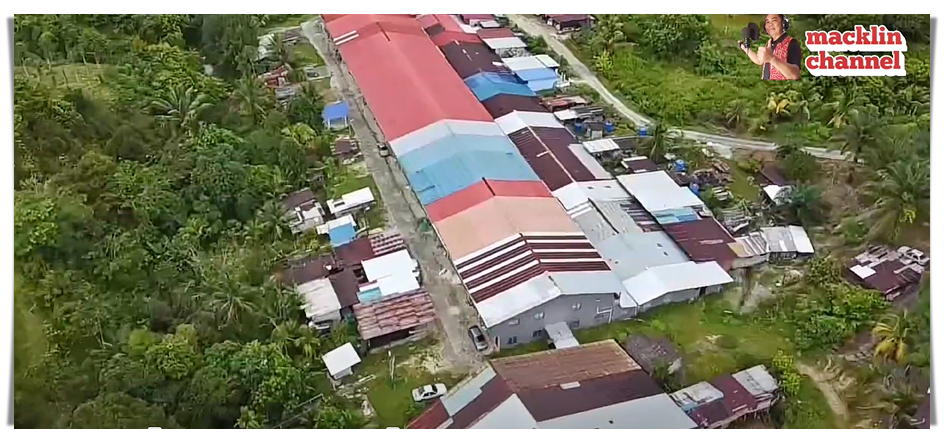
My father’s longhouse: Ng. Batang, Ulu Krian, Saratok. Image source: Youtube
I was ten years old when I first experienced Gawai Antu at my father’s longhouse in Ng. Batang, Ulu Krian, Saratok. At the time, I didn’t really understand its meaning. I just knew it was a rare and grand occasion that transformed the quiet longhouse into a place of celebration, ritual, and remembrance. Even now, decades later, I can still hear the loud gongs, see the elders in their ceremonial attire, and recall the haunting beauty of the invocations to the spirits and deities. It was a glimpse into something much bigger than myself, which was a connection between the living and the dead. This festival was deeply embedded into the very fabric of our identity.
Unlike Gawai Dayak, which is an annual celebration, Gawai Antu happens once in a generation. It is a collective effort that takes years of preparation, with families saving up to host this event in honor of their ancestors. This isn’t a normal feast. It’s an elaborate feast that symbolizes a final send-off for the souls of the departed. It’s a way of ensuring they are properly honored before moving on to the spirit world. It is both a farewell and a tribute, reinforcing the Iban belief that death is not an end but a transition to another realm.
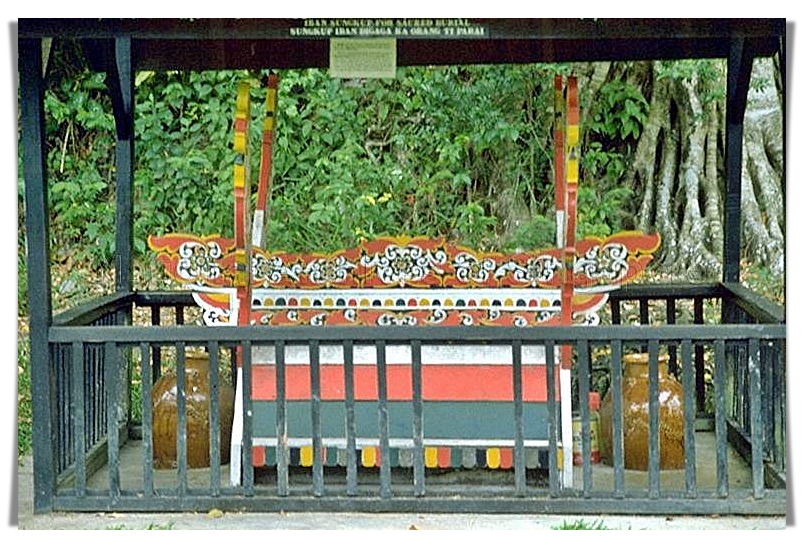
As a child, I was captivated by the sights and sounds of the festival. The longhouse came alive with music, laughter, and the smell of traditional food. Thousands of guests from neighboring longhouses (villages) gathered, filling the space with a sense of community and shared purpose. I watched as men skillfully built the “sungkup” (memorial huts) for the deceased, while women wove baskets called “garung” to hold the ceremonial rice wine, “tuak Indai Billai.”
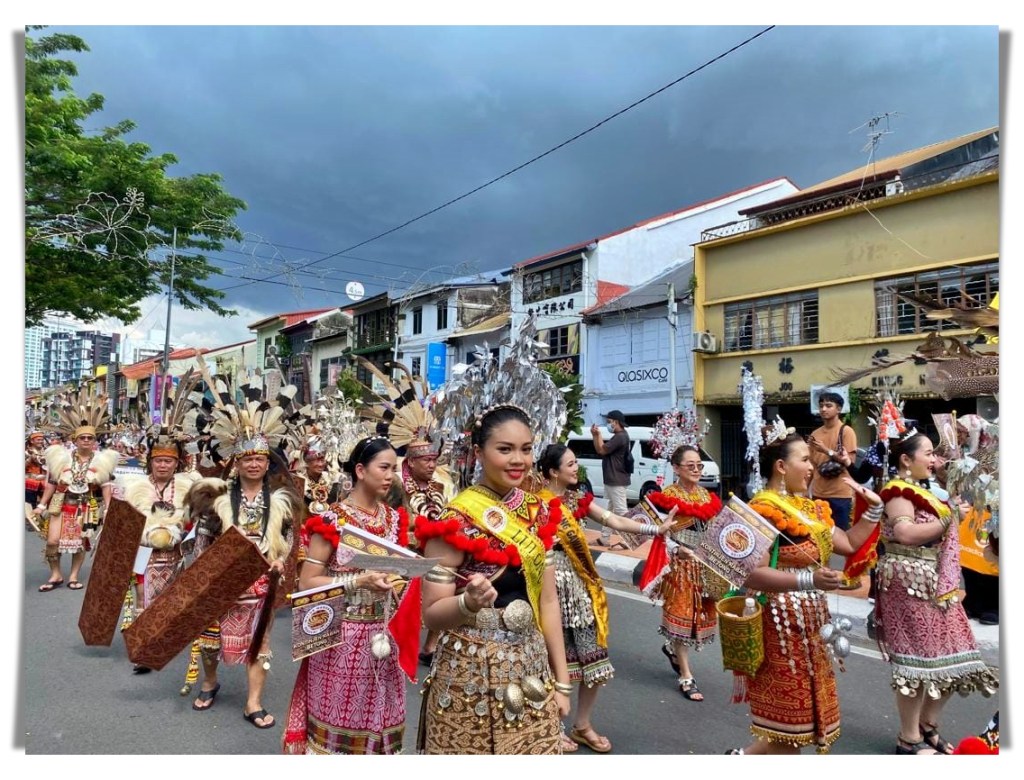
One of the most mesmerizing rituals was “ngalu petara,” where men and women, dressed in their finest, marched through the longhouse to welcome the spirits of the dead. Another unforgettable moment was watching the “lemambang” (bards) chant poetic invocations while carrying bowls of “ai jalung” (special rice wine) from midnight until dawn. Their lyrics, which were passed down through generations, painted vivid images of the spirits’ journey from the afterlife back to their longhouse for one final feast with their loved ones. At 4 a.m., the honored “bujang berani” (men of valor) drank the “ai jalung” to symbolize a moment of pride and recognition.
Image source: My sister
It wasn’t until adulthood that I fully grasped the significance of Gawai Antu. It is a festival of remembrance and a reaffirmation of our roots. It’s a way of keeping our ancestors’ legacies alive. As an Iban living away from my homeland, these memories have become even more precious. They remind me of who I am and where I come from, especially in a world where modern life often pulls us away from traditional practices.
Writing about Gawai Antu feels like my own way of preserving this tradition. In many ways, storytelling serves the same purpose as the rituals. It honors the past by keeping memories alive and strengthening our sense of belonging. But I won’t lie; this responsibility sometimes feels overwhelming. I wonder if my children will ever truly understand the depth of these traditions, or if they will see them as outdated practices of a time long gone. Still, I hold onto hope that through stories, whether in poetry, essays, or simple conversations, I can spark their curiosity and encourage them to explore their roots.
“Bujang Berani”, a man of valor drinking the “ai jalung”. Image source: Gawai Antu documentary
If there is one thing Gawai Antu has taught me, it is the value of memory. In a society that sometimes stresses development over history, this feast is a reminder that our identity is both about who we are and where we came from. Honoring our ancestors involves acknowledging their difficulties, successes, and sacrifices, as well as understanding how they influence our lives now.
Decades after my first Gawai Antu, the memories are still fresh in my mind. The loud gongs, sacred chanting, and communal spirit are memories from my childhood as well as pieces of a greater story about connection, heritage, and meaning. Gawai Antu has taught me that remembering our ancestors means, in many ways, honoring ourselves, as we are the living continuation of their journey.
My poem, “Gawai Antu”.
Note: A documentary about Gawai Antu was made several years ago, you may watch the trailer here:
I don’t have any photographs of Gawai Antu from my childhood. They are kept safely in my parents’ home in Sarawak. The photographs in this post are credited to the sources listed below each image. For more information on Gawai Antu, you may visit these sites:
People are having knee-jerk reactions to AI, with some even accusing writers who use AI tools of plagiarism or cheating. AI technology has grown swiftly, transforming how we produce, communicate, and engage with content. While there are legitimate concerns about its impact, we cannot just put AI in a box and pretend it does not exist. It’s here to stay, influencing the future of creativity and expression.
I’m using QuillBot to polish my writing, and what is so wrong with that? English is my third language, and I want to write well. Apparently, that’s a serious sin to some people. I was writing actively on another site for eight years prior to launching this blog. All was well and good until the age of AI was upon us, and lately the people who police the site ran my posts on AI detectors, and they were flagged as non-original writing. Seriously? I was writing honestly, authentically, striving to improve and find my voice. And instead of being encouraged, I was accused, cornered, and made to feel like my growth is a crime. I literally had to shrink myself to make others comfortable. This is insane.
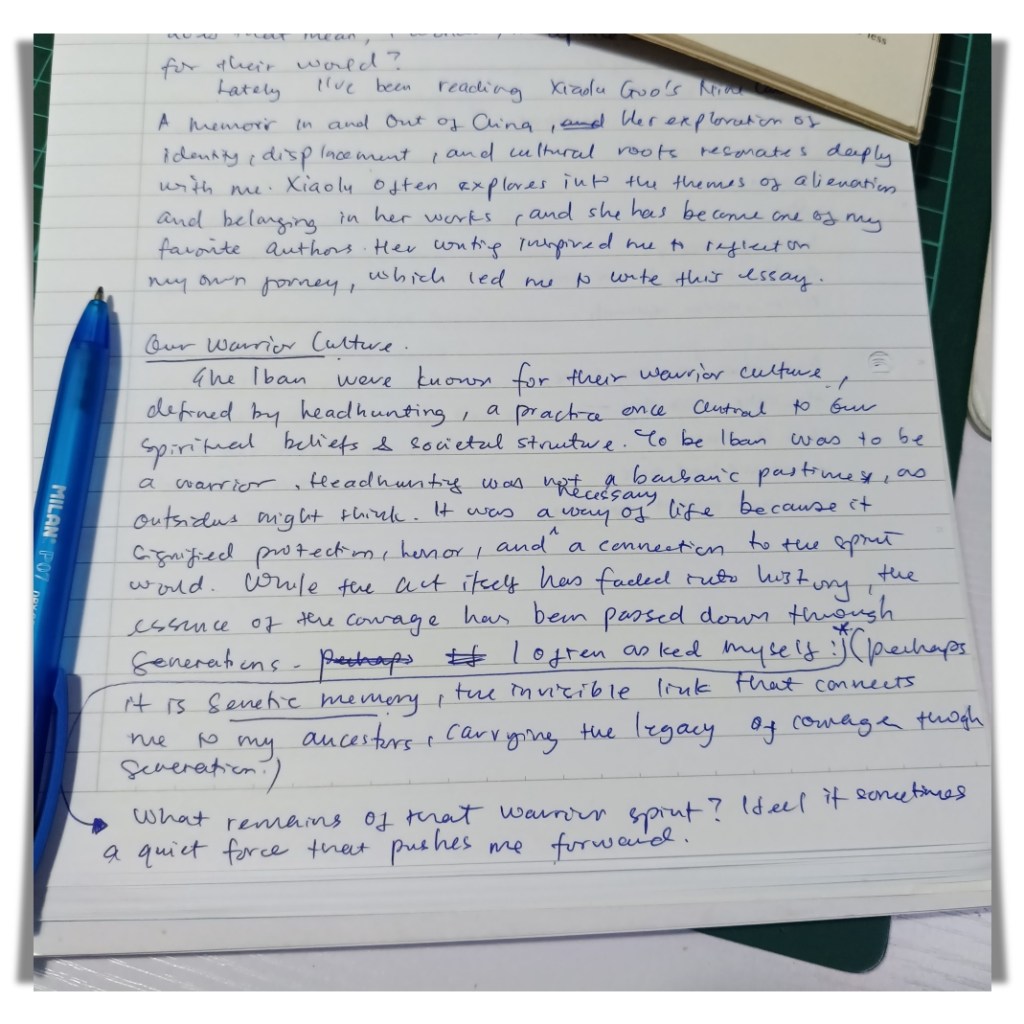
I handwritten all my essays, blog posts, and poems
So after eight years of writing on that site, I decided to launch my own blog. Today is my birthday, and this new blog marks a rebirth for me—a fresh start where I can write freely without the constant need to prove myself. I had to leave that space that no longer welcomes me as I am. It hurts, but here, in my own blog, I am stepping into something bigger that doesn’t force me to constantly prove myself. Now, I am going to write about something that many people disagree with, and that is okay. We all have our opinions on things. And if you disagree with what I said, I respectfully request that you skip my blog and move along. Don’t leave a comment whatsoever because I am not here to argue with anyone. This is my blog, and I can say whatever I want, so please respect that.
AI is helping more people to express themselves than ever before. Why are we writing? We write to express our emotions, share stories, and share ideas with others. I enjoy writing, and I do so on a daily basis. I want everyone to have that right and that joy regardless of their circumstances. We can’t all go on long writing retreats somewhere by the sea, with our spouses pouring us delicious cups of coffee. The reality for most of us is that writing can be difficult… maybe we have a bunch of kids tugging on our clothes, maybe we’re exhausted from a full-time job, maybe we didn’t have great opportunities in school, maybe English isn’t our first language—like me, an indigenous woman from an obscure tribe somewhere in Borneo—or maybe we’re fighting dyslexia, ADD, or arthritis to get the words on the page.
Notebooks filled with writings and ideas
We should not label those who want to express themselves with AI as cheaters or not real writers. How can writing be cheating? What defines a ‘real writer’? All of this is absurd unless you think writing is a competition. I do not feel that writing is a competition; instead, I believe that expression is a basic right. And AI is not preventing people from writing or expressing themselves. Quite the contrary, in fact. A new publication by a Harvard academic named Andrew Hartwig contends that, over the next decade or so, 90% of the IP generated nationally and worldwide will most likely be generated by artificial intelligence… so…🤷♀. And those who swear by AI detectors, please know that AI detectors are biased against non-native English writers like me.
I’m not condoning anyone to copy and paste anything from a chatbot and claim it as their own, but advocating for an ethical use of AI. See, this is the reality of the world we live in—something to ponder about. This is just my opinion, though, and I have no intention to argue with anyone.