


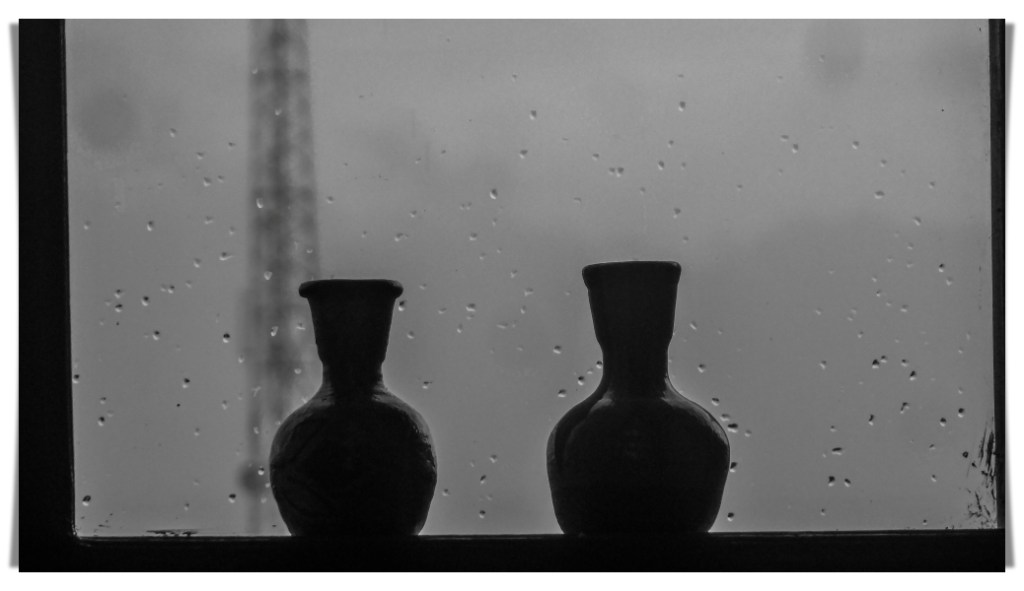
Some people complain loudly. You can hear them from the next room: loud voices, sharp words, and their hands thrown in the air. That has never been my way. My complaints are more subtle, and most of the time they are only in my head; they never leave my mouth. Most days, if you asked, I would say I have nothing to complain about. If you knew me long enough, though, you would notice the places where my patience thins.
I complain about feeling invisible, though I rarely say it aloud. Sometimes I sit in the middle of a conversation and laugh while my mind wanders. I become a spectator in my own life. People around me don’t notice the things I want them to, like how I become quiet or how I focus on small details. I think that if someone really listened, they would hear the pain in my silence. Most people don’t, so I let it go.
I also have a subtle need for reassurance. It doesn’t have to be grand. I don’t want promises written down or words repeated until they lose their meaning. I want little things that I can count on: someone who is always there. I want to matter, not just when I’m joyful and bright, but also when I’m quiet, unsure, or difficult to love.
My complaints are not always about others. Often, they turn inward. I wish I didn’t care so much or that I wasn’t so sensitive. I notice every change in tone, every unspoken hesitation, and every silence that drags. It can be tiring to live with this awareness, and I sometimes wonder if anyone else feels the same way. I grumble to myself about how restless I am and how I’m never fully satisfied with the present moment or always want a little more than what is offered.
Some days I wish for more warmth and honesty before I have to ask. I don’t like chasing affection or trying to figure out hidden meanings. I want things to be simple, even though I know I’m not built for it. I study what most people overlook, a habit that can make me feel better and worse at the same time. I know I can be hard to read and that I expect a lot from the people I love, but I’d rather feel too much than not at all.
Sometimes I complain about not being in the know and having to guess what someone else is thinking or why their mood has changed. I want clarity. I want to know where I stand, even if it hurts. More than anything, I hope to be met where I am, not where it is convenient.
If you pay attention to what I’m saying, you’ll see that my complaints show what I value: being present, paying attention, giving reassurance, and having someone steady to lean on. These things aren’t obvious. Most of them fade away before anyone finds out. Instead, they live in the spaces between conversations, in the small annoyance of not getting a proper explanation, and in the longing for things to resolve. The truth is, I don’t need much. I just need to know I’m not invisible and to feel like I belong.
I write about Iban culture, ancestral rituals, creative life, emotional truths, and the quiet transformations of love, motherhood, and identity. If this speaks to you, subscribe and journey with me.




 Olivia's Atelier