The Only Way I Know Not to Forget

The answer isn’t loud. It doesn’t arrive with flashy ambitions or bold declarations.

It’s silent. Steady. Rooted.

I am passionate about remembering and honoring.

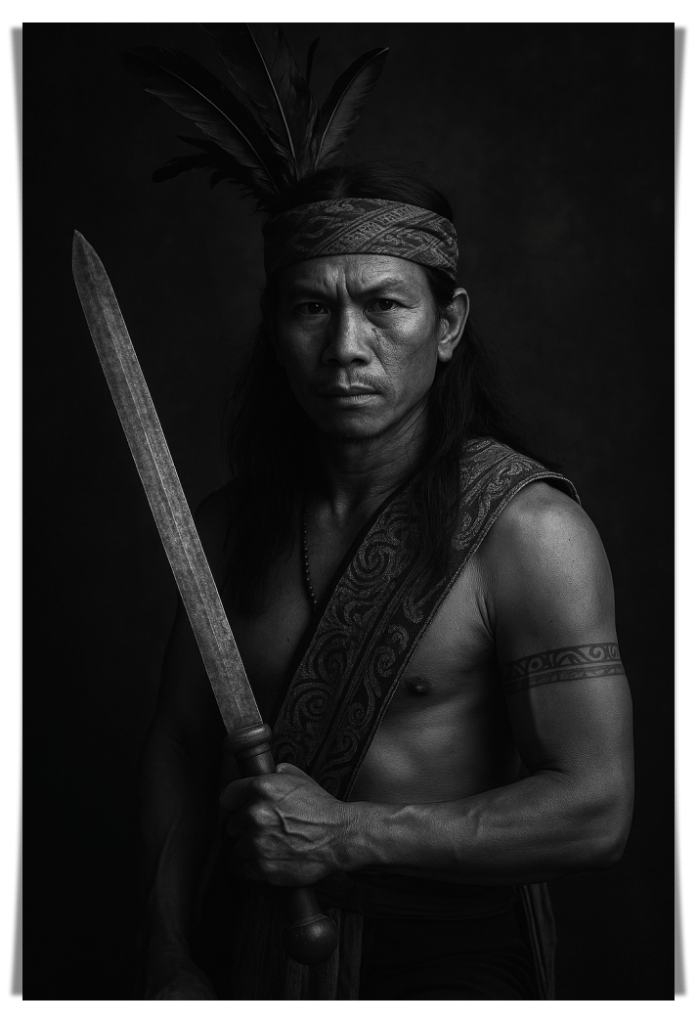
I honor and remember not only to preserve personal memories but also as a way of fending off cultural erasure. It is also a sign of devotion to my ancestors, the land, and everything that made me.

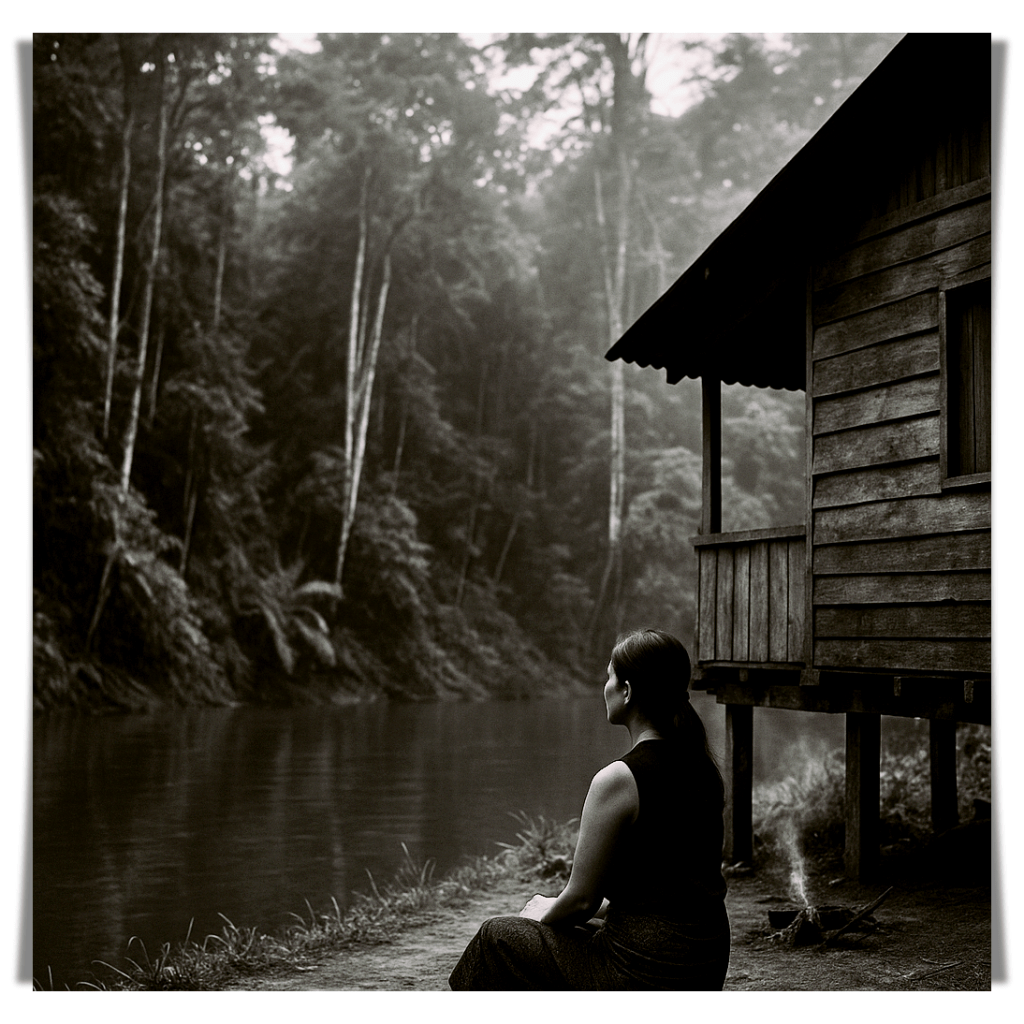
I didn’t grow up in the longhouse as my parents did. I was raised in the urban areas. But culture was never absent from my childhood. When my grandparents were still alive, we’d return to the longhouse for the holidays. It sat peacefully by the river, where the rainforest hold ancient tales and the air smelled of damp earth and woodsmoke. Our songs were sung in Iban. Our prayers were whispered into the land and borne by the wind. We spoke to the land as if it were family. Because it was.

At thirteen, I left home for boarding school, relocated to the big city, and then traveled to other countries for work. Over time, English became my dominant language, and I now speak it more fluently than Iban. I’ve raised my children in a world of shopping malls and neon lights, where the only rivers are highways and the jungle exists only in manicured, trimmed parks.

Will they recognize the sound of pantun sung at dusk?

Will they appreciate the taste of kasam ensabi or understand the beauty of our rich poetry and invocation to the deities who live in Panggau Libau, the land above the skies?

I am passionate about preserving these things. Even if it means teaching them clumsily. Even if I feel like a deteriorating bridge attempting to bear the weight of two worlds.

Why? Because culture isn’t something we simply inherit. It’s something we keep alive.

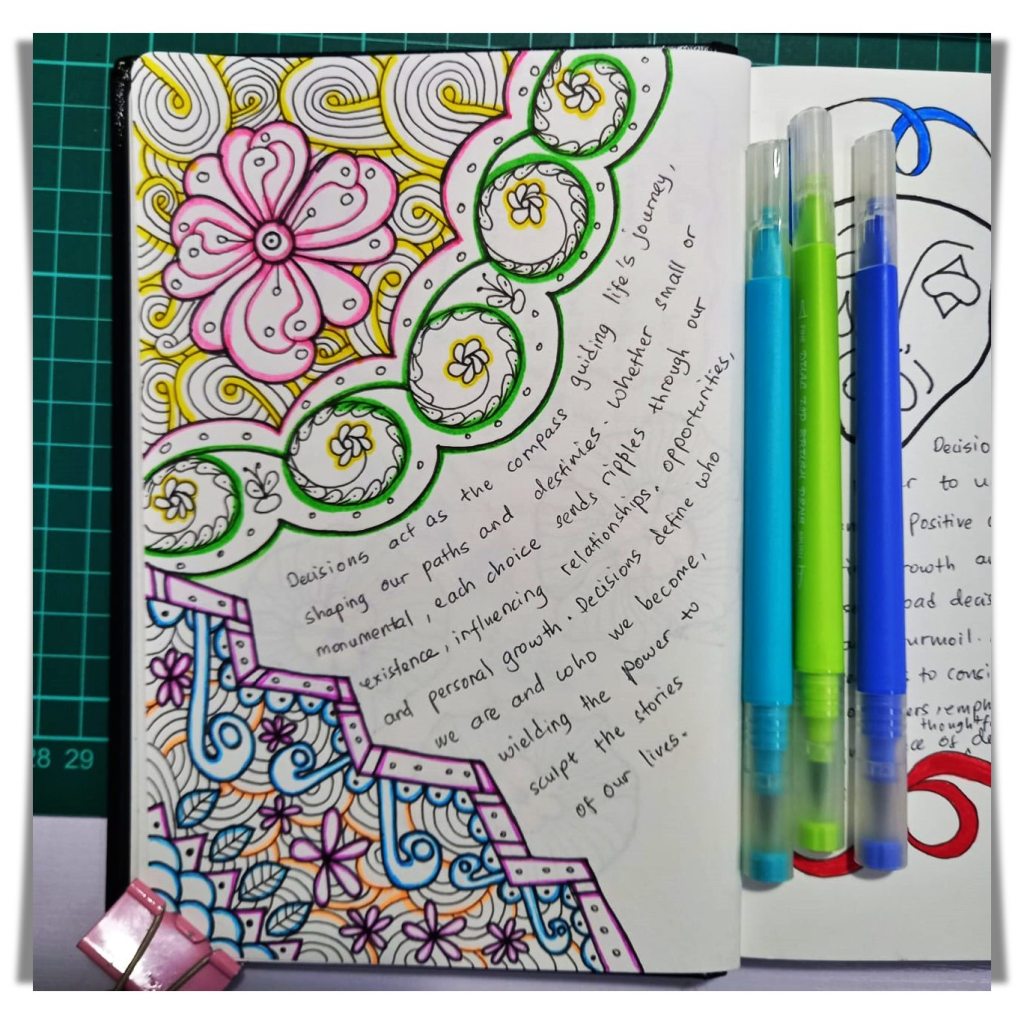
So I write and draw. I create poetry rooted in my heritage for my children and myself.

I do this not because I believe it will change the world.

But it’s the only way I know to avoid forgetting.

So that is my passion.

And that is how I love my people, my identity, my culture.

And that is how I love myself.


✨ Visit Olivia’s Atelier for printables, reel templates, and planners made to support overwhelmed moms with gentle, soulful tools.
🕊️ Enjoy 50% off everything until June 30.

Marriage Traditions of the Iban of Sarawak, Borneo

Marriage is a timeless union that binds two souls together. It also functions as a mirror, reflecting the core of a community’s culture and identity. My people, the Iban of Sarawak, Borneo, fill their traditional wedding rituals with deep meanings based on ancestral traditions. However, these traditional ceremonies are gradually disappearing as time passes.

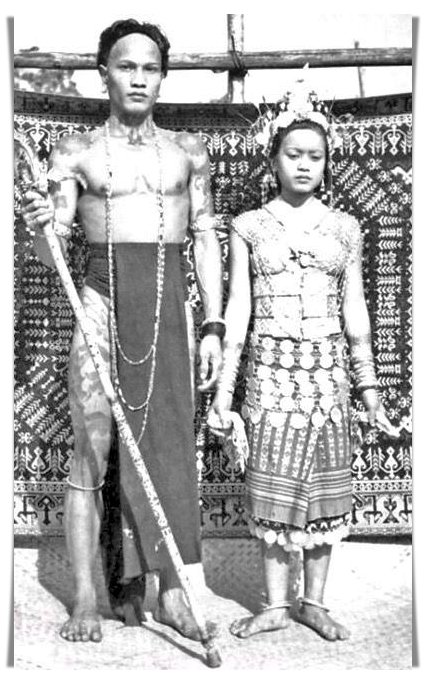
For the Iban, marriage was not just a bond between two individuals but a communion of families and communities. Traditionally, the groom’s parents carefully planned this arranged marriage. Ties of kinship often influence their choice of wife. Cousins were preferred matches because they preserved familial relationships while also reflecting the Iban’s value of unity within their extended network. When a bride was chosen, the groom’s parents would leave a rawai (silver girdle) or an ilang (sword) at her family’s home as proof of their dedication and intention.

Image source

The longhouse is the heart of Iban community life. During weddings, it becomes a lively epicenter. It was here that life and celebration collided, and the community joined together to honor the union. Careful planning is required days or weeks before the ceremony. This includes making tuak (rice wine) in enormous vats, preparing traditional buns and cookies, and selecting livestock for slaughter. Guests were invited with knotted strings to tally down the days till the celebration.

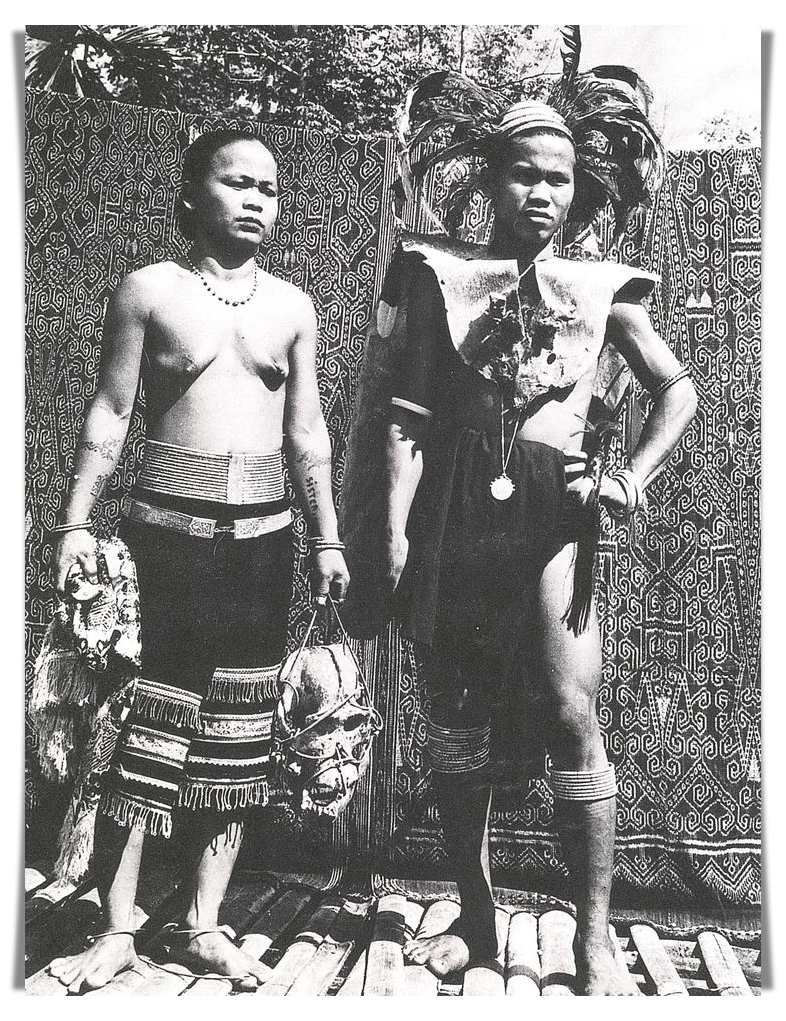
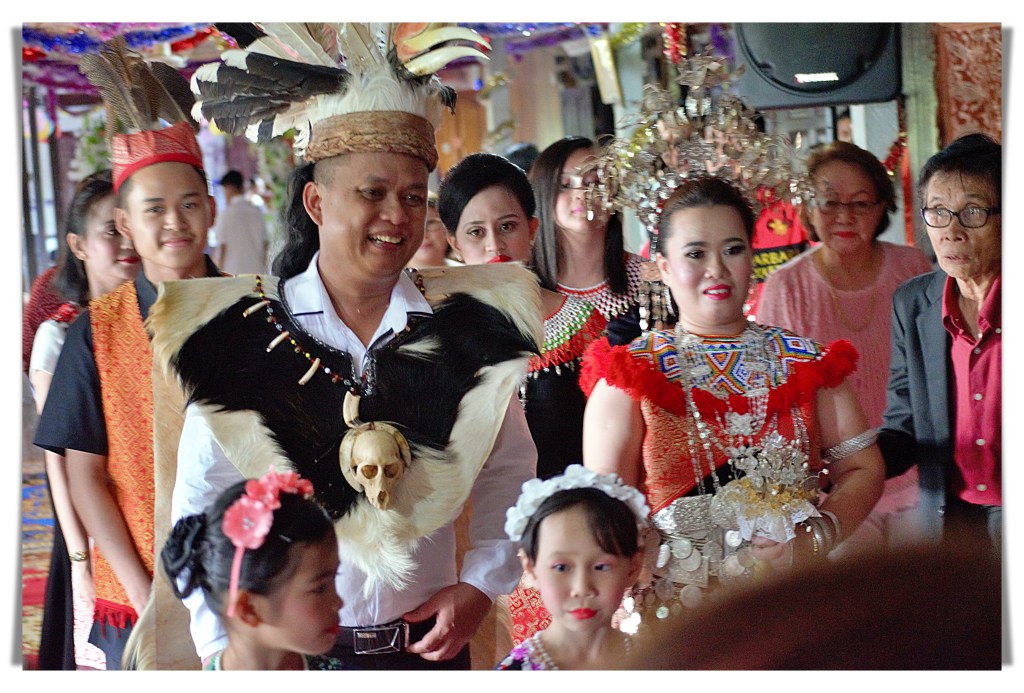
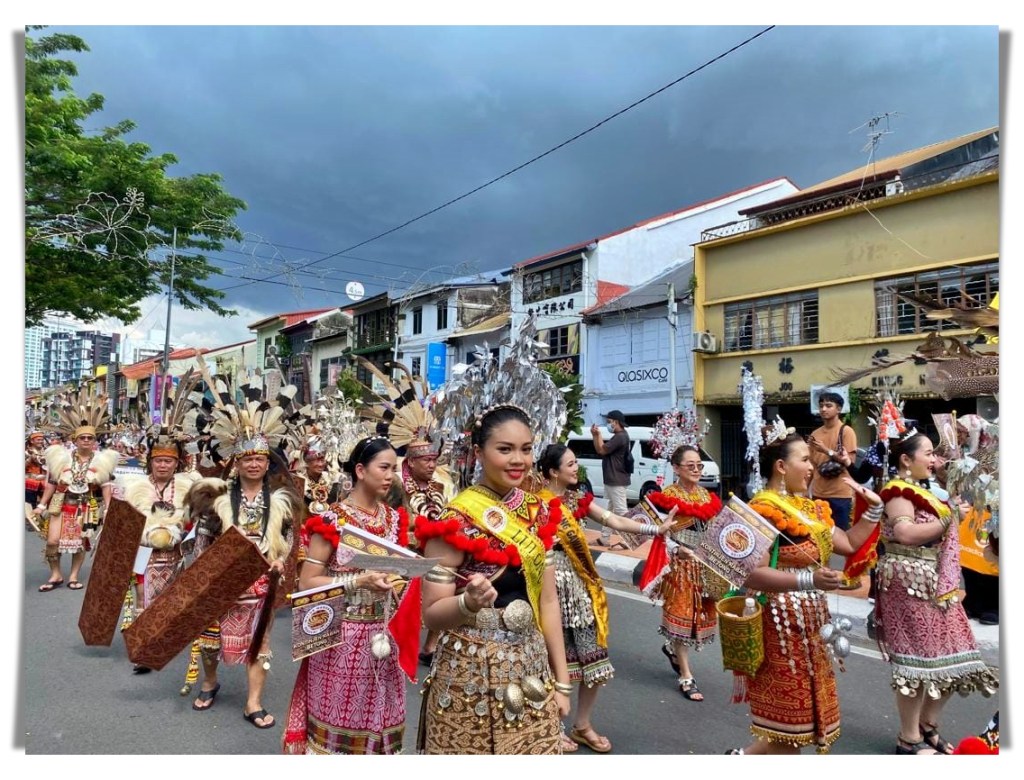
On the wedding day, the groom’s journey to the bride’s longhouse was a ceremony unto itself. The groom’s party traveled to the bride’s longhouse either by boat or on foot through the jungle. Guests were expected to dress in traditional ngepan (intricate traditional costumes), with women donning corsets or rawai (silver girdles) and men wearing armlets and feathers, among other traditional pieces. The groom’s party arrived to a joyous clash of gongs and the firing of brass cannons.

However, underneath the surface of celebration were rituals with deeper meanings. One of the most remarkable customs was the use of poetry or poetic language to provide the ceremony a sense of artistry and depth. When the official ceremony started, the host’s representative would offer the guest a drink, followed by a formal recitation inquiring about their purpose:

“I hesitate and feel nervous to talk in front of you all,
The reason I say so is because I realize that you are the mothers of porcupines,
Covered with cross-stripped white quills,
Pointed like bradawls.
I notice that you are the mothers of hornbills,
With tails striped,
crossing at right angles,
Which claim that they can fly to Brunei and return the same day.
I see that you are the mothers of bears,
Which have stout arms to make holes on the trunks of iron-wood trees.”

“We, therefore, have been sitting next to each other.
I would like to ask,
Which one of you is the mother of the hornbill?
For I am about to ask you to spit out the seeds of the belili tree,
In order that they can be picked up by a tall, unmarried lady,
So that they can be turned into the tusks of a pig,
As charms for the unripe ears left till the last in reaping,
With which we fill our padi bins.”
Poem source

These exchanges were rich in metaphor and eloquence. The poetic recitations continued throughout the ceremony, including a betusut (genealogical recitation) by an expert who detailed the bride and groom’s genealogy. This ritual not only validated the union but also ensured that the marriage respected cultural taboos and norms in order to avoid misfortune.

Image source

Elders sealed the union with feasting and storytelling, bestowing blessings and wisdom on the pair. They discussed respect, understanding, and the delicate balance required to navigate life together. Complex traditions and customs infused every action, from seating arrangements to gift exchange.

Today, such ceremonies are a rarity. The Iban embraced Christianity and Islam, abandoning many of their traditional practices in the process. The vibrant rituals of traditional Iban weddings now exist mostly in memory or retellings.

The ceremonies detailed here are not simply rituals. They depict a way of life that places a high priority on community, heritage, and balance. They remind us of the beauty of traditions that once connected people to their past while celebrating the present. The decline of this tradition is a loss not only for the Iban but also for the universal human story of connection, identity, and belonging.

The significance of the Iban wedding customs strikes me as I reflect on them. Marriage was never just about two people; it was about integrating their lives into the larger fabric of their community. It was about love, shared responsibility, and the power of a collective spirit.

Perhaps that is the true power of these traditions: their ability to touch something deep within us while also reminding us of the fragility and beauty of cultural heritage. And as we look forward, perhaps we have a tenacious hope that even as the old ways fade, their spirit will continue to shape the future in ways we may not fully comprehend.

Modern Iban weddingImage source.

On Owning the Sacred Flesh & Plus-Size Olympians

Daily writing prompt
What Olympic sports do you enjoy watching the most?

That’s me. I’m not obese but since I’m petite, a little weight gain would be very noticeable and I’m a lot heavier than I used to be. I boxed for fitness to maintain my weight and build muscles; however, since I’m struggling with perimenopausal fatigue, it has been difficult to stay consistent.


Since having children, I’ve spent most of my time learning how to hide my body. I learned to suck in my belly when I walked past mirrors or when I snapped selfies. I wore black to appear slimmer. When eating out, I chose a seat next to a wall so no one could stare at my belly roll. I smiled when someone talked about losing weight, even though internally, I felt diminished for other reasons. 

But lately, something is changing. It began slowly, insinuating itself into my thoughts like a new language. 

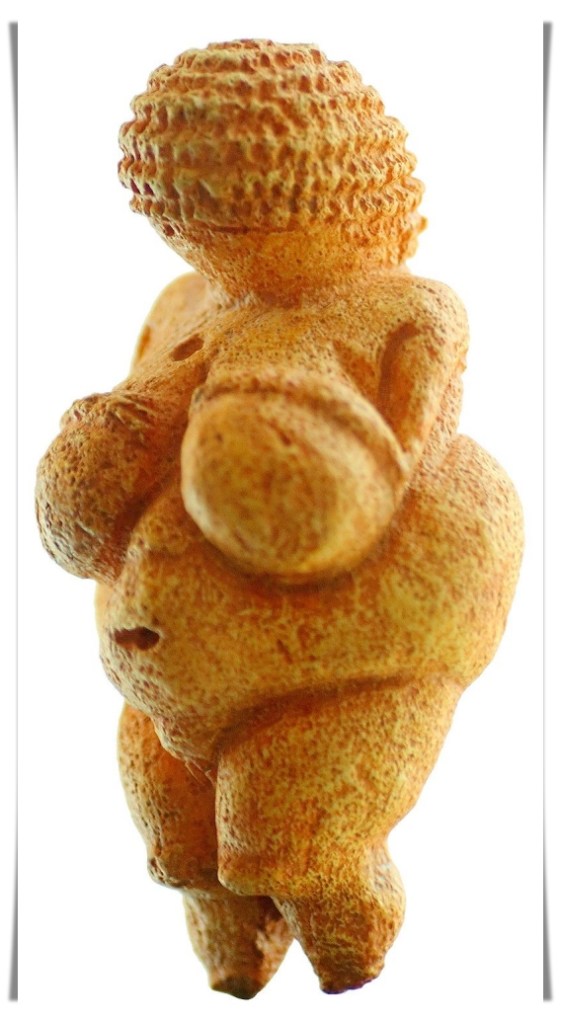
It began with a figurine I read about somewhere on the Internet. The Venus of Willendorf.

She’s only four inches tall, carved from oolitic limestone more than 25,000 years ago. Her breasts are full, her belly rotund, her hips wide. She has no face, but that doesn’t matter because she represents everything I felt insecure about. 

Scholars have proposed various interpretations for her purpose—fertility symbolism, a goddess, or an idealized female form.

She looked like me, though I’m not as chubby. And for the first time, that didn’t feel like an insult. She somehow validated me after years of shame and “before” pictures had silenced me. 

But the Venus of Willendorf wasn’t the only one.

Image source

There are others like her found across Europe. These Venus figurines were carved from stone, bone, or ivory; their bodies were voluptuous, soft, and round.

  • Venus of Laussel—holding a cornucopia as if commanding attention. 
  • The Black Venus of Dolní Věstonice—dark and earthy and one of the oldest known ceramic figures.
  • Venus of Hohle Fels—she was worn as a pendant. Her legs widely apart, flaunting her exaggerated vulva.
  • The Seated Woman of Çatalhöyük—she rested on her throne like a supreme ruler. 
  • The Fat Court Lady of ancient China—elegant in her defiance of slim ideals.

Each of them is a declaration of what womanhood looked like—and what it still looks like today. 

I am Iban. My ancestors were women who moved with strength and dignity. They never counted calories. They planted paddy, fished in the river, foraged for food, carried firewood, and cooked over open flames. Their bodies were lean, skin tanned, breasts bared. Their bodies were shaped for survival. 

Obesity is a modern thing. It’s often a byproduct of modern conveniences like fast food, desk jobs, and little exercise. Many modern Iban women are overweight—some from young, and some after motherhood. I was never overweight until I had children. And then my body changed in ways I couldn’t control.

Image source

My belly stretched, my skin thinned, my hormones fluctuated, and my fatigue made it difficult to exercise regularly. 

And with those changes came something crueler—self-hate. 

I started to avoid mirrors altogether. I admired other plus-size women who carried their softness with confidence. I thought they were beautiful and sexy. However, that admiration never extended inward. 

But Venus is opening my eyes to the truth: my worth is not defined by my body. She doesn’t ask to be smaller or apologize for taking up space. She was carved by people who believed she was sacred and to be revered.

Perhaps this belly, bearing life, surgery scars, and years of shame, merits a sacred touch. Maybe these dimpled thighs still deserve to be kissed. Maybe my body is a home to return to—and not a failure or an embarrassment. 

But the Venus figurines weren’t the only ones teaching me to love myself again.

Maybe it’s also the man who sees me with undiluted devotion. He who touches my body tenderly before dawn. He who tells me I’m beautiful when I can’t bear to look in the mirror. His love—ever so tender, constant, and full of reverence—has become the mirror I trust the most. In his eyes, I’m not broken but whole. 

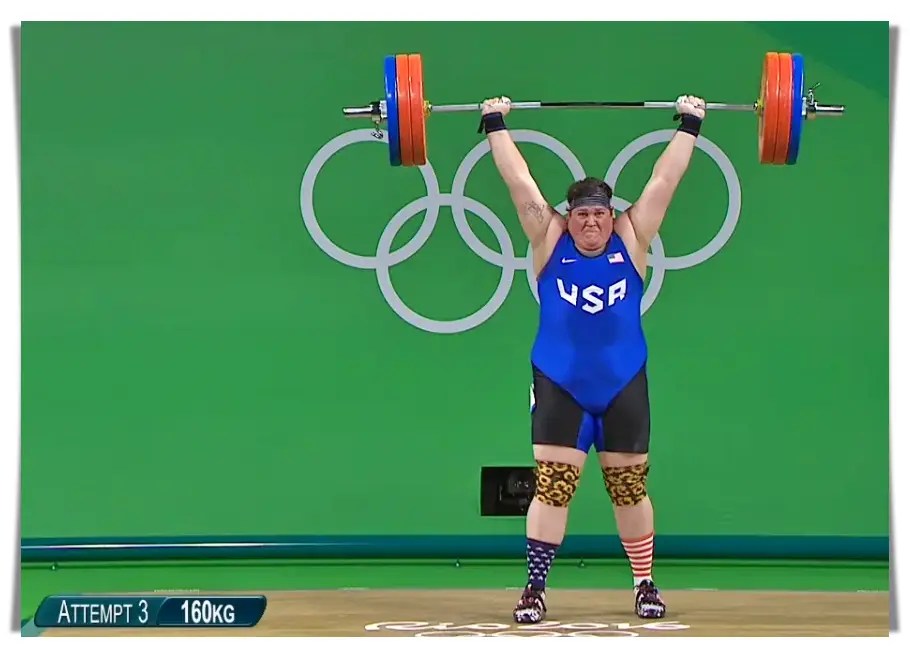
The glorious Olympian weightlifter, Sarah Robles. Image source.

Lately, I’ve even found myself moved by things I never paid attention to before—like Olympic weightlifting. I’ve never been big on sports, but when it comes to the Olympics or Paralympics, I always make sure to follow events like badminton, boxing, diving, and weightlifting. Badminton is a national love in Malaysia, especially since some of the world’s top players are Malaysian. As for diving and weightlifting, we have incredible athletes who come from my own home state of Sarawak.

But what truly strikes me are the women weightlifters. These plus-size Olympians don’t get the credit they deserve. The world tends to picture women Olympians as thin-waisted, with sculpted abs and long, lean legs. But what about the women who lift more than twice their weight? What about Sarah Robles, Emily Campbell, Holley Mangold, Li Wenwen, and so many others?

They are powerful, confident, and glorious. These beautiful Olympians remind me that strength does not look just one way. It comes in every size and shape.

I’m still learning, still grieving the body I used to have. I’m learning to be grateful, to appreciate the body that has endured trauma—and survived. I’m done hiding because I’ve looked into the past, and I saw Venus there. And in her and his gaze, I truly saw myself—beautiful and worthy.

And here’s a poem I wrote to accompany this post.

Venus

This belly
needs a tuck—
wrinkled, stretched,
after birthing our
warren of rabbits.
It’s a map of every time I broke
but kept going—
still, it asks to be kissed.

This skin—
salted, soft, and scratched
by fingers that fed, held, bled—
still dares to shimmer.

I am not
a before,
or an after.
I am the altar
where you kneel
at my temple,
again and again,
falling apart in my hands.

Copyright © Olivia JD 2025
All Rights Reserved.

If I Could Speak Every Language

Daily writing prompt
What’s a secret skill or ability you have or wish you had?

Image source

He often walked me home, and sometimes we ended up on the rooftop of my apartment. I never invited him to my apartment. It was too soon for that.

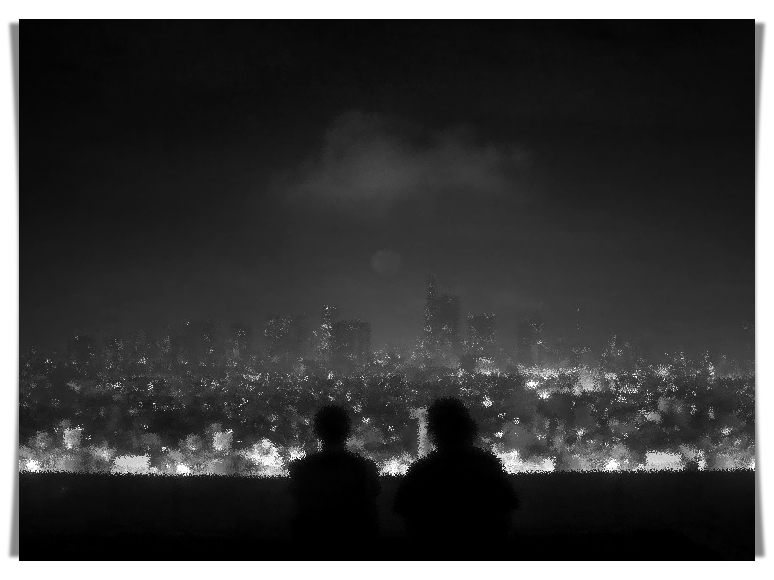
From the rooftop, the city shimmered like a galaxy spilled across the earth. Neon light—electric blue and fiery red—streaked through the darkness. I can hear the distant traffic and feel the cool breeze carrying the faint scent of a nearby night market. Above, Taipei 101 tower pierced the sky, glowing against the stars. He leaned against the railing, gazing into the distance.

We talked about anything. There was no rush of pressure with him, just a gentle assurance that he would hold whatever I shared with care.

Tonight, I asked him what he would do if he woke up one day able to speak every language, even those of animals.

I watched the way the wind played with his hair.

He smirked. A small, knowing curve appeared on his lips.

“That’s a very you question. What would you do with it?”

I thought for a moment.

“I’d talk to the stray cats near the cafe. I’d ask them if they’re hungry or safe. Maybe they’d tell me where they hide when it rains.”

“You’d befriend all the strays. What else?”

I talked about my culture.

“The Burung Bubut* isn’t just a bird; it’s a messenger of omens. Its eerie call is thought to announce the passing of a soul to the realm of the dead. I’d ask it if it truly carries omens or if it knows when a soul is about to pass.”

“I’d also ask the Malayan tiger and the Bornean orangutan how they feel about losing their home. I’d listen to the stories that humans never hear.”

He tilted his head, considering.

“You think animals would trust us with their truths?”

The distant wail of a cat in heat cut through the night. It echoed down the narrow alley and off the damp brick walls like an eerie plea. I thought briefly about that pitiful, horny creature before answering.

“Maybe they wouldn’t trust us at first. But if they did, we could offer help. Imagine knowing what an endangered species really needs instead of assuming. Conservation would be a collaboration and not just a human effort.”

His fingers tapped idly against the metal railing.

“And humans? What about all the dying languages?”

“I’d want to preserve them. Speak to the last few speakers and hear their stories before they’re lost forever, like the language of Orang Kanaq that has fewer than 35 speakers left. If I could learn and document their language, maybe it wouldn’t disappear. And what would it be like if I could speak to the Sentinelese in the Andaman Sea? Maybe we’d find common ground without breaking their solitude.”

I could hear a couple arguing somewhere in the distance, probably further down the alley.

He looked at me with a gentle smile.

“Imagine cooperating with animals to make art. Bird melodies for songwriting. Dance movements from the dolphins. Poems inspired by the haunting cries of the whales.”

I nodded and smiled at the possibility.

He exhaled and was quiet for a while.

“You don’t have to speak to them all the time. You want to listen too.”

“Yeah. I’d love to sit peacefully next to an orange stray cat who basked lazily under the sun.”

Our gaze met, and I quickly averted my eyes. We stayed silent while the city stretched endlessly before us. In that moment, perched on the edge of the rooftop, it felt like the world was alive with voices—rising, falling, each one clamoring to be heard and to be understood.


Note:

  • Burung Bubut—Greater Coucal. In Iban culture, it is believed that when the bird calls, someone has passed away.
  • Orang Kanaq—One of the 18 Orang Asli ethnic groups in Malaysia. They are classified under the Proto-Malay people group, which forms the three major people groups of the Orang Asli. (source: wikipedia)

Copyright © Olivia JD 2025

All Rights Reserved.

Inheriting Courage From My Warrior Ancestors

When I close my eyes, memories rise like smoke from a dying fire. I can still hear the gendang’s beating and my family’s joyful chatter from Gawai. I was ten years old and surrounded by the warmth of my people. The elders shared stories of our ancestors—Orang Kaya Pemancha Dana Bayang, Aji Apai Limpa, and Nakhoda Panglima Budin Gerasi—all courageous warriors of great renown. That courage, I’ve been told, is in my blood. But what does that mean in a place so far removed from their reality?

Oplus_131072

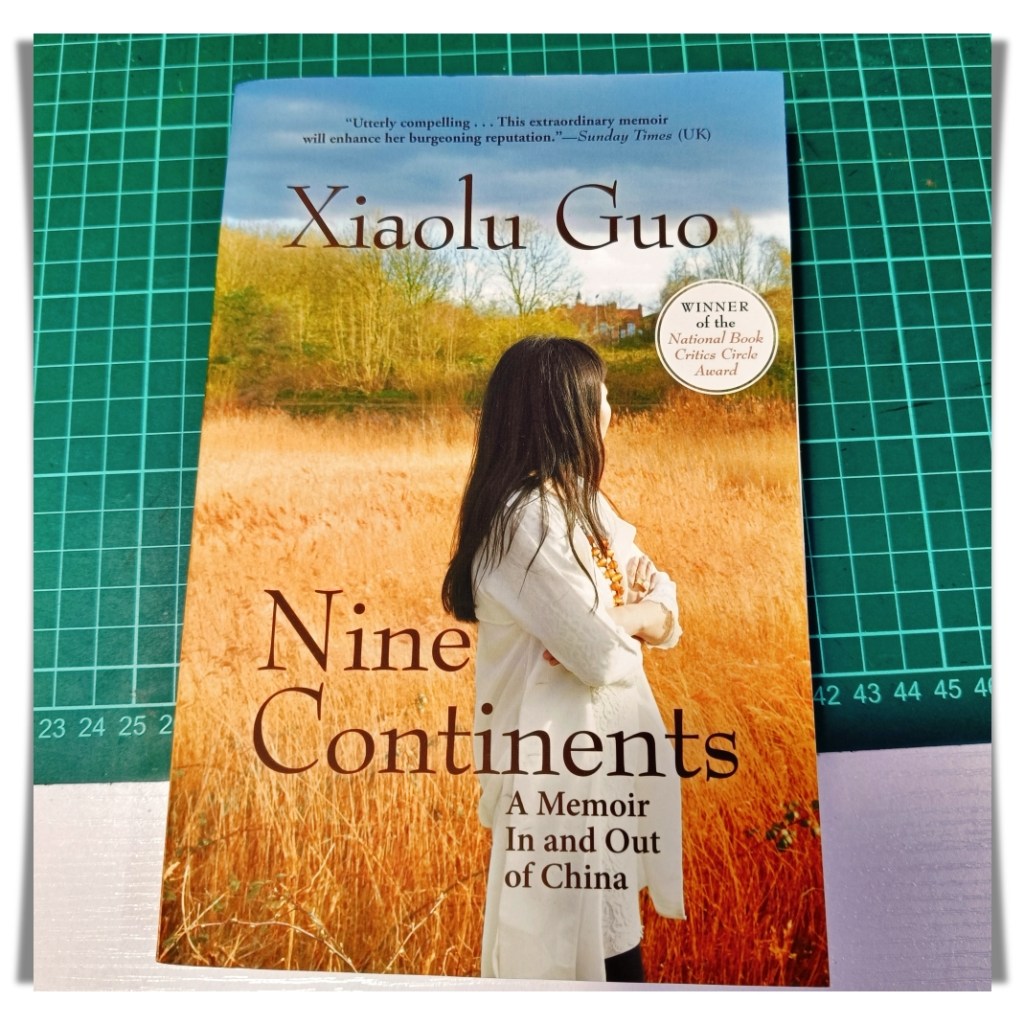
I’ve recently been reading Xiaolu Guo’s Nine Continents: A Memoir In and Out of China. Her exploration of identity, displacement, and cultural heritage resonates deeply with me. Xiaolu often addresses issues of alienation and belonging in her works, and she has become one of my favorite authors. Her writing inspired me to think about my own journey, which led me to write this post.

Our Warrior Culture

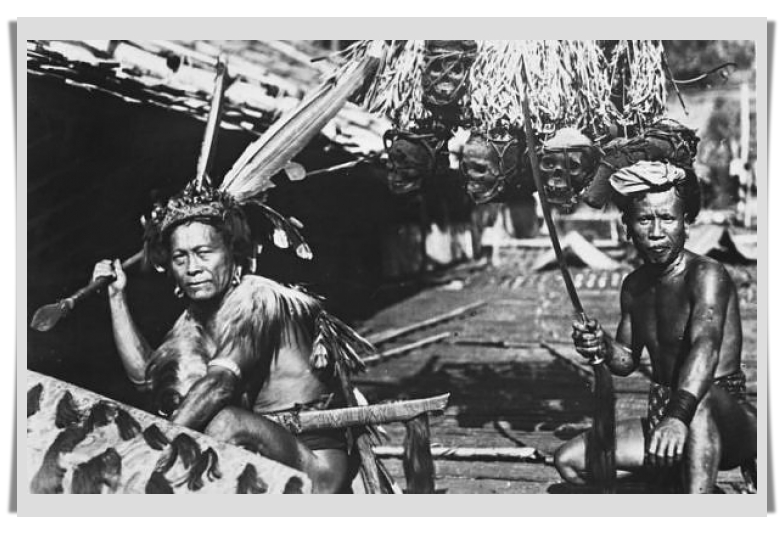
The Iban were famed for their warrior culture, defined by war expeditions and headhunting. It was once an important aspect of our spiritual beliefs and society framework. To be Iban means to be a warrior. Headhunting was not a barbaric pastime, as outsiders may believe. It was a necessary way of life since it signified protection, honor, and a connection to the spirit realm. While the act itself faded into history, the essence of the courage has been passed down through generations.

I often asked myself, “What remains of the warrior spirit?”. Sometimes it feels like a quiet force pushing me forward. In moments of difficulty, I draw on the courageous spirit of my ancestors. Their legacy reminds me that I have the strength to persevere in the face of overwhelming odds. Perhaps it is genetic memory, the invisible link that ties me to my ancestors and passes down the legacy of courage across generations.

The Loss of Tradition

However, bravery alone cannot fill the gaps. Living in urban places like Kuala Lumpur has distanced me from the traditions that constitute my identity. When my extended family embraced Christianity in the 1950s, it marked a shift from animistic beliefs. Urban living also entails replacing the communal life of the longhouse. Many other aspects of our culture are disappearing, such as the extensive oral poetry tradition.

I am caught in a dilemma. On the one hand, I value the opportunities and conveniences of modern living. On the other hand, I mourn the loss of vibrant traditions that shaped our way of life. These losses make me wonder how we can honor the past while embracing the present.

Image source The late Temenggong Koh (left), one of the last Iban warleaders of the 20th century, before headhunting was completely outlawed by the British colony.

The Sense of Alienation

Life in the city often exacerbates this disconnection. Here, I am just a fragment of an Iban: a name that suggests a foreign land, a face that others might find unfamiliar. When people ask where I’m from, my responses may seem inadequate. How can I explain a longhouse? Or, even if I can explain it, how do I dispel their misconception that modern Ibans still live on trees and wear loincloths? How can I explain our different Gawai, or traditional festivals, when they typically only celebrate one or two holidays, like Eid or Lunar New Year? However, in the heart of this alienation, I’ve realized that identity is not static. It is a fluid interplay of past and present, shaped by our decisions and circumstances.

Strength Through Cultural Roots

Nonetheless, I remain connected to my roots. They are not always visible, but they are present. My ancestors’ courage motivates me to face my fears and embrace the unknown. The warrior spirit is not a relic from the past but rather a driving force in my life today.

During difficult times, I found myself returning to the stories of my ancestors. They endured jungles, battles, and scarcity. I remind myself of their tenacity—if they can endure, so can I.

The loud proclamation of success does not equate to strength. Perseverance and the ability to adapt without forgetting are qualities that define strength. The warrior spirit is about enduring in a world that often forces us to forget who we are.

Preserving Tradition

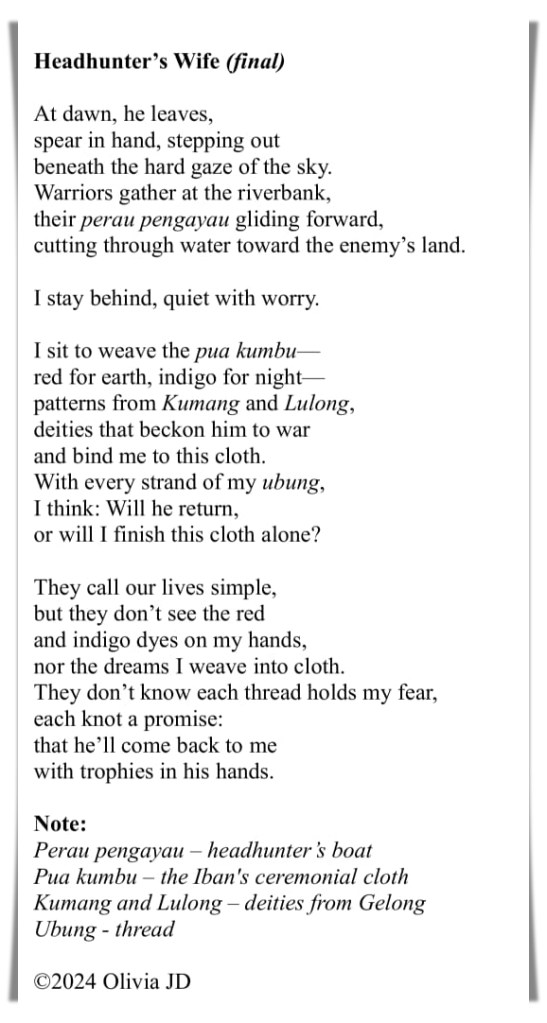
My original poem from Sarawak collection of poetry

Poetry has been one way for me to preserve my culture. Writing has become a means of connecting the past and present, who I was and who I am becoming. It allows me to hold onto what feels like it’s slipping away.

I aspire to one day publish my poems and leave a legacy for my children. When the time comes for them to discover their roots, I hope my words will serve as a guide, helping them understand who they are and where they came from. Writing allows me to keep the stories alive as the world around us changes.

My identity is a patchwork of memories, stories, and dreams. I am neither fully of the past nor fully of the present. But maybe that’s what it means to be Iban today: to walk on a bridge, perpetually caught between two realities.

I am part of something bigger than myself, a heritage of power, fortitude, and endurance. While I may live far away from my people’s homeland, the essence of my heritage lives on, molding my journey and grounding me in a world that is often divided.

I carry the warrior spirit with me because I am descended from people who endured. So I take a step forward, not knowing where the journey will take me, but knowing it is worthwhile. Like the warrior spirit that runs through my blood, this journey is not always easy, but it is always worth it.

My cousin’s traditional wedding.

Becoming Me | A Journey Through Love, Heritage, and Doubt

Daily writing prompt
What experiences in life helped you grow the most?

It’s funny how the experiences that change us the most often slip by quietly. There is little fanfare, and we rarely recognize them until much later. However, in retrospect, I can trace my growth to the struggles and the soft, persistent ways life nudged me forward.

I believe it started with loneliness. Growing up, I often felt invisible and alone. I wasn’t the most outgoing, pretty, or popular. I was just…there, among other outstanding siblings and peers. It’s strange, but loneliness formed the foundation of who I am now. It taught me to listen to both myself and others. It taught me to be more observant and sensitive to details that most people overlook, which I now use in my art and writing.

Then later came love. It was messy, imperfect, but glorious nonetheless. My relationship with my husband—my lover—has been one of my biggest teachers. We’re opposites in so many ways, and those differences have forced me to stretch, to compromise, and to forgive. Being married this long (two decades), going through joys, heartbreaks, financial strains, and raising kids has all been a daily practice of choosing love, even when it’s hard. Especially when it’s hard.

However, I believe that reconnecting with my Iban roots has been the most transforming experience for me. For a long time, I felt detached from my cultural identity, as if I were witnessing it from afar. It was not intentional. Life was tugging me in different directions. But being a mother changed that. I realized how much I wanted my children to know where they came from. I want them to learn and feel that deep connection I had almost let go of. Teaching them about my Iban heritage has been like teaching myself again by rediscovering the stories, the poetry, and the parts of me I had tucked away.

I am currently working on a collection of poems that explores my Iban roots and traditions, weaving together memories, folklore, and the cultural theme that continues to shape who I am today.

And then there’s the lifetime of inner journey: the insecurities, the doubts, and the fear of not being good enough. Those have been some of my hardest teachers. I’ve struggled with impostor syndrome more times than I can remember, particularly when it comes to my art and writing. Moments such as being harshly criticized for lack of originality, feeling misunderstood, or being dismissed had a deep effect on me. But these experiences also pushed me to create a space where I feel free without fear of judgment, like starting this blog.

All of these experiences—loneliness, love, the return to my Iban roots, and issues with self-doubt—have influenced me the most. These experiences didn’t come with shiny lessons, but they taught me to be more compassionate, patient, and a little kinder to myself.

I’m still growing and figuring things out. But if there’s one thing I’ve learned, it’s that growth doesn’t always happen in the big, loud moments. Sometimes it is in the moments you least expect, gently nudging you forward, one tentative step at a time.

Iban Culture | Gawai Antu @ Feast of the Dead – A Personal Journey Through Memory and Meaning

I don’t see a lot of articles anywhere that talk about the culture of my people, the Dayak Iban of Sarawak, Borneo. Maybe there are plenty in native languages, but so far not much is written in English, so I thought instead of lamenting about it, why not write it myself? I admit I don’t have a vast knowledge about my culture; however, it shouldn’t stop me from writing about what I know. In this post I’m going to talk about one aspect of our culture called Gawai Antu, or the Feast of the Dead. I believe the feast of the dead is widely celebrated worldwide across different countries and cultures. It’s no different with the Iban people. After all, who doesn’t want to memorialize and pay tribute to their departed loved ones?

The Iban people of Sarawak, Borneo, have a rich and deeply rooted culture that is shaped by mythology, oral traditions, and a close connection between the spiritual and physical worlds. At the heart of this culture are the many “gawai,” or feasts, that mark important moments in life, from celebrating a bountiful harvest (Gawai Dayak) to honoring the spirits of the departed (Gawai Antu). Each gawai carries its own meaning, traditions, and importance, but none have left a deeper impact on me than Gawai Antu, or the Feast of the Dead.

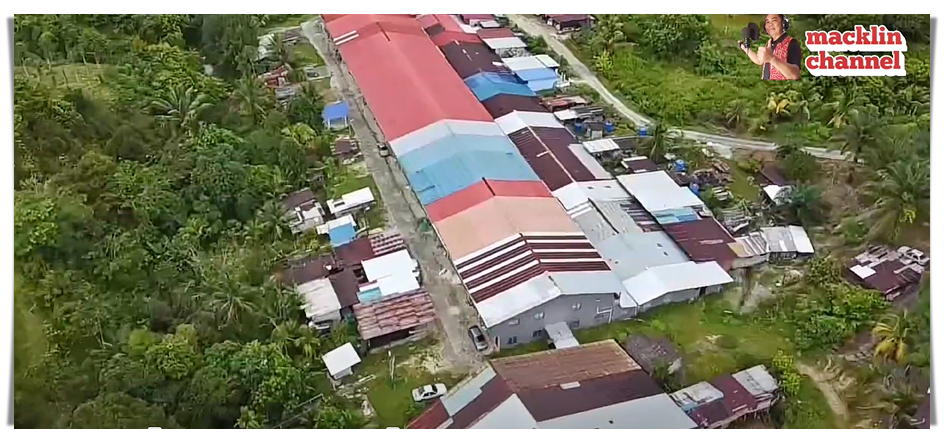
My father’s longhouse: Ng. Batang, Ulu Krian, Saratok. Image source: Youtube

I was ten years old when I first experienced Gawai Antu at my father’s longhouse in Ng. Batang, Ulu Krian, Saratok. At the time, I didn’t really understand its meaning. I just knew it was a rare and grand occasion that transformed the quiet longhouse into a place of celebration, ritual, and remembrance. Even now, decades later, I can still hear the loud gongs, see the elders in their ceremonial attire, and recall the haunting beauty of the invocations to the spirits and deities. It was a glimpse into something much bigger than myself, which was a connection between the living and the dead. This festival was deeply embedded into the very fabric of our identity.

Unlike Gawai Dayak, which is an annual celebration, Gawai Antu happens once in a generation. It is a collective effort that takes years of preparation, with families saving up to host this event in honor of their ancestors. This isn’t a normal feast. It’s an elaborate feast that symbolizes a final send-off for the souls of the departed. It’s a way of ensuring they are properly honored before moving on to the spirit world. It is both a farewell and a tribute, reinforcing the Iban belief that death is not an end but a transition to another realm.

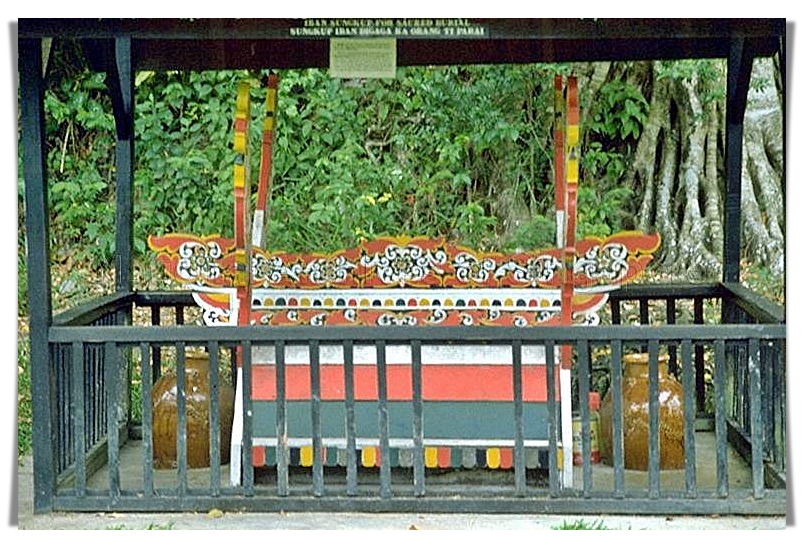
A “sungkup”. Image source: National Archives of Singapore

As a child, I was captivated by the sights and sounds of the festival. The longhouse came alive with music, laughter, and the smell of traditional food. Thousands of guests from neighboring longhouses (villages) gathered, filling the space with a sense of community and shared purpose. I watched as men skillfully built the “sungkup” (memorial huts) for the deceased, while women wove baskets called “garung” to hold the ceremonial rice wine, “tuak Indai Billai.”

One of the most mesmerizing rituals was “ngalu petara,” where men and women, dressed in their finest, marched through the longhouse to welcome the spirits of the dead. Another unforgettable moment was watching the “lemambang” (bards) chant poetic invocations while carrying bowls of “ai jalung” (special rice wine) from midnight until dawn. Their lyrics, which were passed down through generations, painted vivid images of the spirits’ journey from the afterlife back to their longhouse for one final feast with their loved ones. At 4 a.m., the honored “bujang berani” (men of valor) drank the “ai jalung” to symbolize a moment of pride and recognition.

Image source: My sister

It wasn’t until adulthood that I fully grasped the significance of Gawai Antu. It is a festival of remembrance and a reaffirmation of our roots. It’s a way of keeping our ancestors’ legacies alive. As an Iban living away from my homeland, these memories have become even more precious. They remind me of who I am and where I come from, especially in a world where modern life often pulls us away from traditional practices.

Writing about Gawai Antu feels like my own way of preserving this tradition. In many ways, storytelling serves the same purpose as the rituals. It honors the past by keeping memories alive and strengthening our sense of belonging. But I won’t lie; this responsibility sometimes feels overwhelming. I wonder if my children will ever truly understand the depth of these traditions, or if they will see them as outdated practices of a time long gone. Still, I hold onto hope that through stories, whether in poetry, essays, or simple conversations, I can spark their curiosity and encourage them to explore their roots.

“Bujang Berani”, a man of valor drinking the “ai jalung”. Image source: Gawai Antu documentary

If there is one thing Gawai Antu has taught me, it is the value of memory. In a society that sometimes stresses development over history, this feast is a reminder that our identity is both about who we are and where we came from. Honoring our ancestors involves acknowledging their difficulties, successes, and sacrifices, as well as understanding how they influence our lives now.

Decades after my first Gawai Antu, the memories are still fresh in my mind. The loud gongs, sacred chanting, and communal spirit are memories from my childhood as well as pieces of a greater story about connection, heritage, and meaning. Gawai Antu has taught me that remembering our ancestors means, in many ways, honoring ourselves, as we are the living continuation of their journey.

My poem, “Gawai Antu”.


Note:
A documentary about Gawai Antu was made several years ago, you may watch the trailer here:

I don’t have any photographs of Gawai Antu from my childhood. They are kept safely in my parents’ home in Sarawak. The photographs in this post are credited to the sources listed below each image. For more information on Gawai Antu, you may visit these sites:

The Gawai Antu
Gawai Antu – the documentary