Noticing What Has Changed

I feel like the question “What have you learned recently?” is simple, but when I try to answer it, I have to pause. I don’t notice most changes in my life until I look back. I go about my day, dealing with whatever comes up, without really thinking about whether I’m getting better or not. But sometimes it’s clear that something has changed. That’s what this is, an attempt to notice what’s changed or improved.

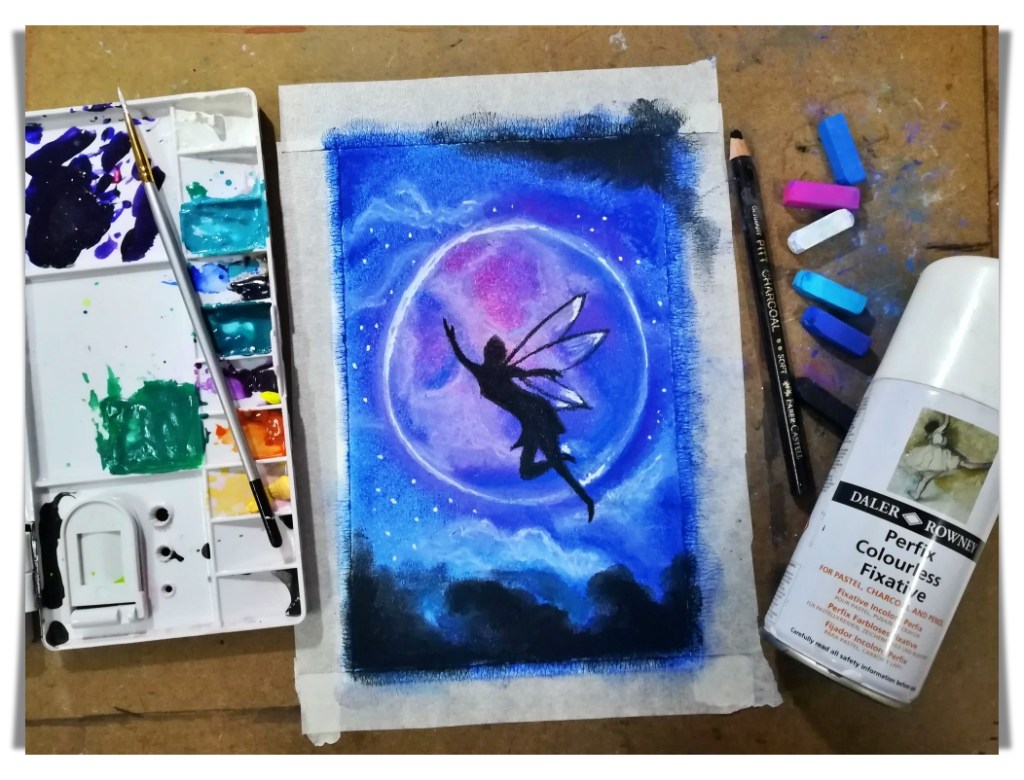
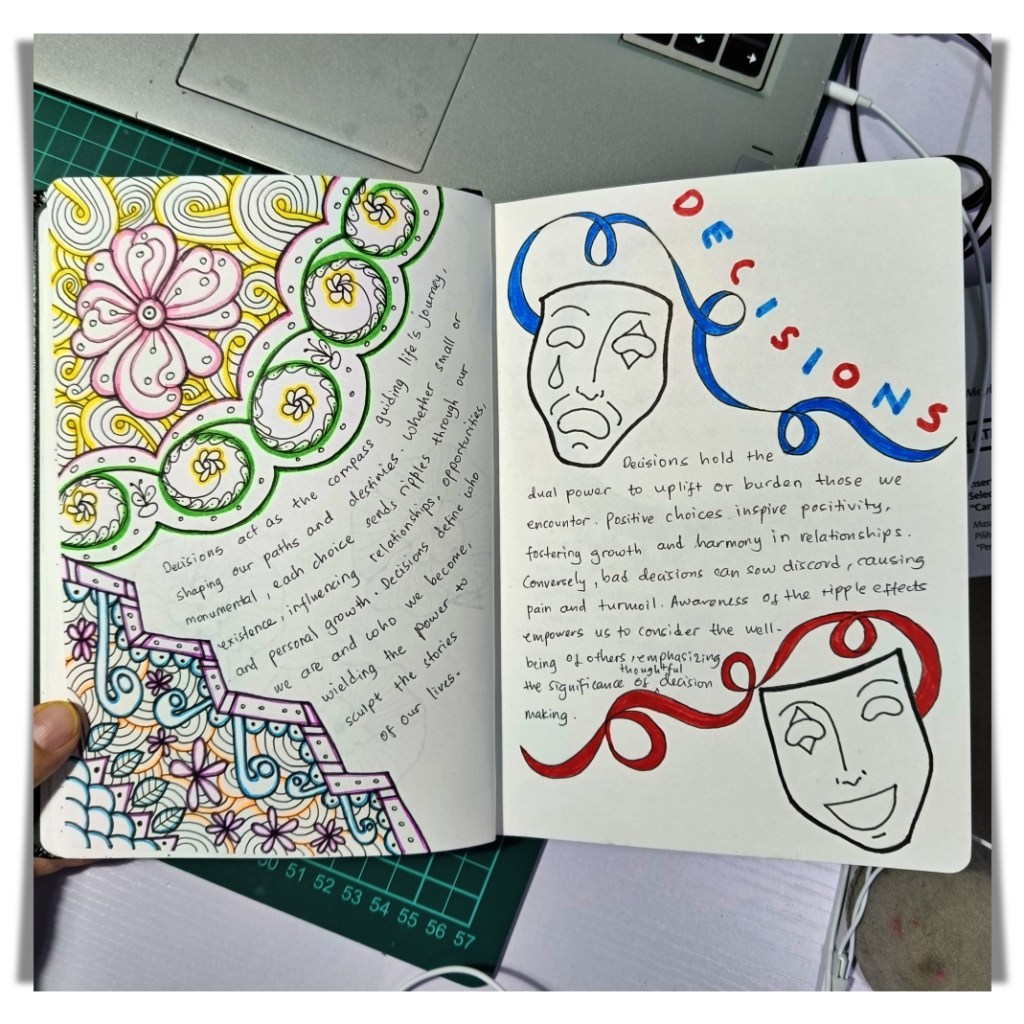
Lately, I’ve been more aware of how much space I let myself take up. I made myself small for most of my life. I only spoke up when I was sure I wouldn’t hurt anyone’s feelings. I tried to guess what people wanted, what they would put up with, and what would make me look out of place. Staying hidden can make you feel safe, but it wears you down over time. I didn’t realize that waiting for permission to share an idea, make something, or want something for myself was a choice because it had become such a habit. I don’t remember when it changed, but I do know that I don’t ask for so much approval anymore. I write or draw what I want, when I want. I publish things with my name on them sometimes, and other times I use a different name. Other times, I just leave the words on my hard drive. I don’t have to do anything for anyone. I quietly came to this realization, and it has remained with me.

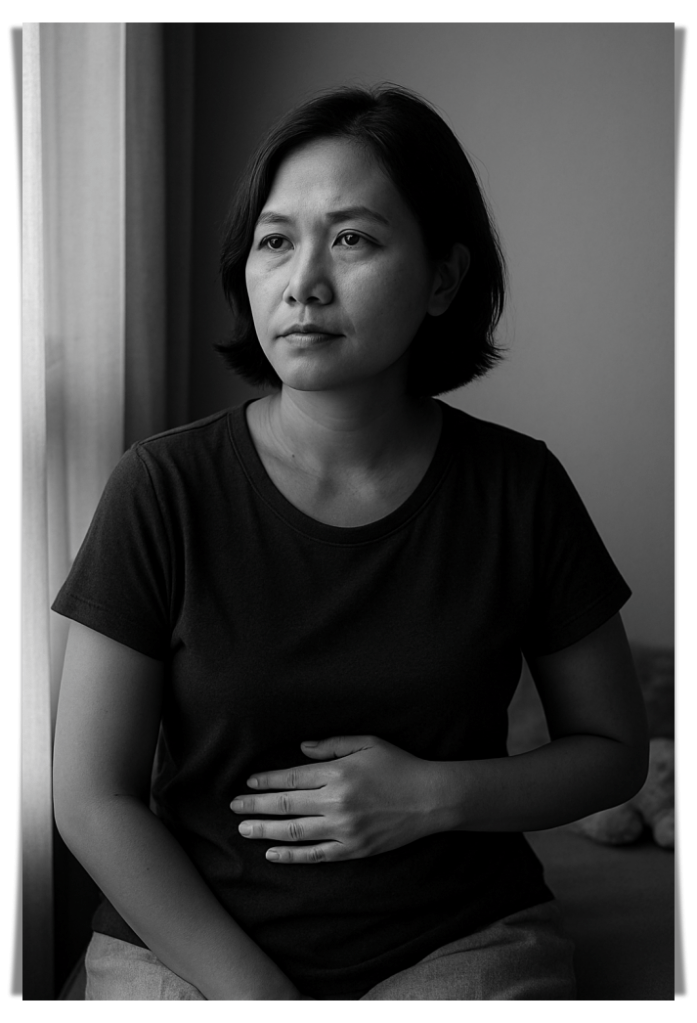
I have also slowed down, both by necessity and by choice. It’s difficult to put into words how heavy this year has been. There were times when my body just gave up on me, like when I was always tired and had migraines that came out of nowhere and persisted. I quit working out. I stopped pretending that pushing myself harder would help. I waited for a while, trying to deal with the pain and uncertainty by not moving much. I did figure out the cause of my fatigue and migraines, and since then, they have improved a lot. That experience taught me to slow down and listen to my body and get the help it needed. 

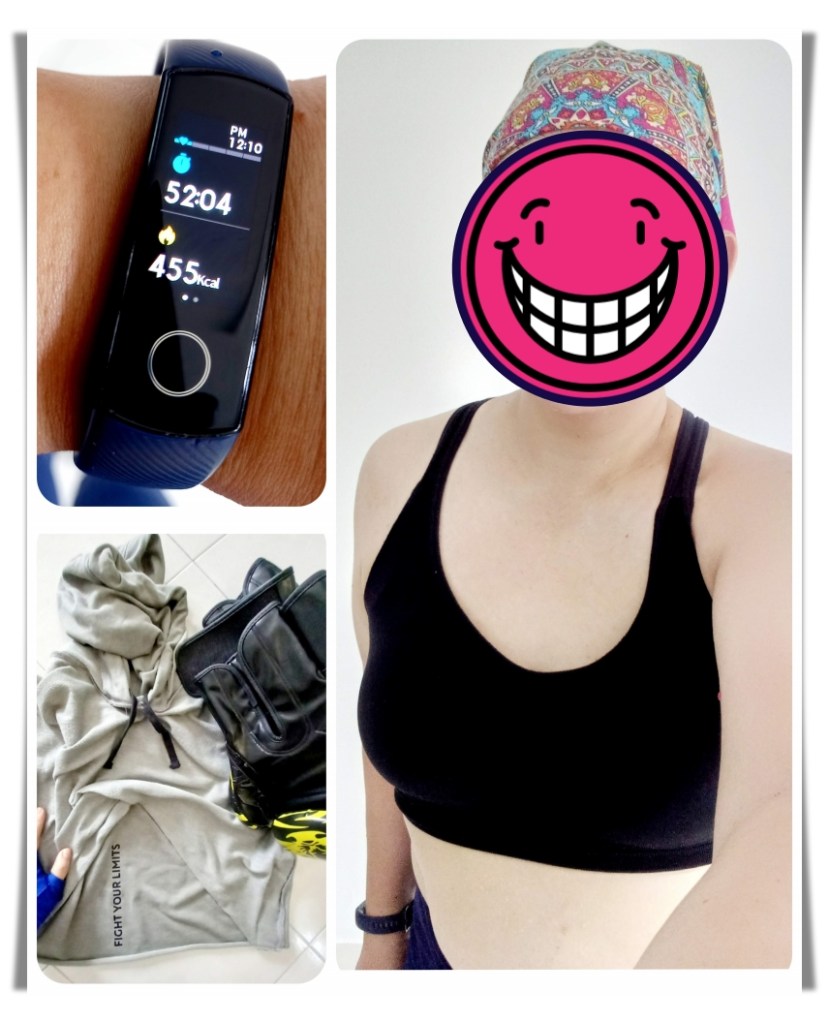
The worst of the symptoms have disappeared, allowing me to move again. I don’t mean that in a figurative way; I really do walk and jog more. Three kilometers, three or four times a week, and there’s no need to hurry. There isn’t any more pressure to “get fit.” I just walk. I see the trees, hear the birds, and feel my legs moving again after months of inertia. It’s normal, but it means a lot to me. It feels like returning to my skin after months of being wrecked by fatigue and pain.

Setting boundaries is still new. For years, I thought it was my job to be there for others, take on their moods, and ensure things went well. Now, I say no more often. I let people deal with their problems. I don’t explain myself as much. It doesn’t feel empowering or freeing; it’s awkward and tense at times, but it’s real. Guilt comes and goes but I let it go. I’m starting to realize that saying yes won’t fix everything.

Another lesson learned and change made: I don’t doubt my right to want things as much as I used to. For a long time, I told myself that I was easy to please and that wanting too much would only make me disappointed. It was better to keep my needs vague and not say them out loud. However, I want more lately—more peace, more meaning, a stronger connection, and more room for my writing and art. I’m not sorry for it, even though I know I won’t get everything I want. I write and create because I need to, not to please anyone or gain more followers and likes. Those things are undoubtedly flattering, but they are just a bonus.

Trust is also a big deal, especially knowing that my voice matters. I still doubt myself, especially when I write in English. The urge to hold back is still there, but I keep going. I write what I think is honest, even if it’s not perfect. I establish boundaries when necessary. I don’t pretend like I know more than I do. Sharing is a form of practice in and of itself. I don’t know if anyone is interested in what I have to say. It doesn’t matter as much now; I just write and create.

Routine is what keeps me grounded. My days are typically plain. I get up, do what needs to be done, take a morning walk or jog, cook, read, draw, and write. Repetition is comforting. Things that used to be trivial are now important, like how the light changes during the day, the sound of rain in the morning, or a quick note from a friend. I don’t ignore these things anymore. I remember days by their texture and temperature and not by what I accomplished.

There’s nothing dramatic about the last few months. The most significant changes are internal, and I can’t see them unless I write them down. I’m not as interested in what looks appealing as I am in what feels right and true. I still mess up and sometimes I fall back into old habits. I’m not sure if there’s a lesson here at all. It’s just a slow process of living and noticing what’s different.

If you asked me a year ago what I’d learn, I wouldn’t have guessed any of this. Most things happen without a plan. They reveal themselves in silence after the fact, when I look up and realize I’m not in the same place anymore.


I write about Iban culture, ancestral rituals, creative life, emotional truths, and the quiet transformations of love, motherhood, and identity. If this speaks to you, subscribe and journey with me.

The Skill I Want to Learn | Remembering My Roots

When I first read the prompt, “What skill would you like to learn?” I hesitated. My mind didn’t wander to something new, like playing an instrument or taking up pottery. Instead, it returned to what has recently taken up the most of my heart and time: immersing myself in my people’s stories. I’ve been documenting my family history, translating Iban folktales into English and Malay, and researching the animistic beliefs that influenced how my ancestors lived in the past. It may not seem like a skill in the traditional sense, but it needs patience, dedication, and a consistent commitment to learning.

This kind of learning doesn’t feel like adding something new to my life; it feels more like uncovering something that was always there. I now realize that remembering is a skill in and of itself. It requires listening, interpreting, and writing in a way that stays true to the original voice while still making sense in today’s language. It is a craft that requires me to sit with pieces—sometimes just a phrase, a half-remembered childhood folktale, or a story told from one elder to another—and give them structure without losing their meaning.

In the past couple of years, I’ve been interested in customs, dreams, and oral traditions that were once a big part of the Iban’s daily life. Our ancestors believed that dreams weren’t just random things our brains conjured but guidance or warnings from the spirit world. To learn about these beliefs is to learn how closely they were tied to nature, animals, rivers, and things we can’t see. It’s not easy to translate stories like this. Each word has layers, and when you put them in a different language, each layer can change the meaning. I’m learning how to translate not just words but also worlds.

This process has shown me that preservation is an active skill. You can’t just admire a culture from afar or talk about heritage in general terms. To preserve heritage, you have to write it down, understand it, and pass it on. I know that these stories could disappear at any time if no one bothers to pass them on. It feels like weaving: taking loose strands and tying them together to make something strong enough to last.

I think often of my children. I picture them reading these writings one day and seeing parts of themselves reflected back. They might read about how brave their ancestors were or the rituals that used to guide community life. This could make them feel both wonder and a sense of belonging. That hope keeps me going. I don’t want them to get just bits and pieces. I want them to have a living archive that they can go back to when they feel rootless or want to know more about themselves. In this way, writing is both a gift and an inheritance.

This learning also helps me understand my own role in the chain. I’m not just preserving stories for the future; I’m also standing in the middle, receiving them from the past. There is humility in this position. Sometimes the stories seem too big for me to tell or too sacred to put into words. Sometimes I feel like I’m not qualified, like I’m trespassing on something I don’t fully understand. I feel like an imposter. But then I remember that this is also part of the task. Even if you’re not sure, simply paying attention is a form of dedication.

There are also challenges. To translate, you need to do research, compare things carefully, and sometimes spend a long time staring at a confusing sentence. Writing family histories requires being careful and accurate when deciding which details to include and which to leave out, as well as how to honor different voices in the same story. It’s not glamorous to learn these skills, but they make me more patient and give me more respect for those who came before me.

I’ve also been thinking about how I write. As someone who doesn’t speak English as their first language, I’ve had a hard time developing a consistent style. I wonder if my words will ever sound as smooth or polished as those of people who grew up with the language. But the more I write, the more I see that my culture and heritage are not barriers but strengths. They give me a writing voice that is shaped by the rhythms of the Iban language or by the oral storytelling traditions. These are the things that set my writing apart from a lot of other people who write about the same things. I could only come into my own when I embraced who I truly am: an Iban woman rich with cultural memory and life experience.

I’m also thankful for the resources that make this work possible. Old books, articles, and museum archives have been lifesavers for me because they have helped me learn things I couldn’t have found on my own. There are many people who worked hard and spent time writing down and putting together our culture into words. I wouldn’t be able to keep writing if they didn’t do their part. This gratitude keeps me focused and reminds me that I am part of a much bigger effort to keep culture alive.

If I had to sum up what I’m learning, I’d say that three things stand out. First, the ability to really listen to what is said and what isn’t said. Second, the ability to translate not only between languages but also between different meanings. Third, the skill of preserving, which means having the courage to hold memory in your hands and carefully write about it for the future generations. And now, maybe a fourth: the ability to trust my own writing voice, even when it sounds different than the ones expected.

So when I answer the prompt, “What skill would you like to learn?” my answer isn’t easy to show. I want to keep learning how to remember things. I want to get better at writing authentically, listening closely, honoring my culture, and sharing what I can while I am still here. These skills may not make a lot of impact, but they are important. They might not get a lot of praise, but they could keep a culture alive.


I write about Iban culture, ancestral rituals, creative life, emotional truths, and the quiet transformations of love, motherhood, and identity. If this speaks to you, subscribe and journey with me.
How I’ve Been Moving My Own Goalposts

I’ve been creating and publishing my work for years, but if you heard me talk about my work, you might think I’m just getting started.

I have this strange habit that I’ve noticed. I always add a “but” to every milestone I reach. In 2015, I published my first coloring book. This was long before the age of AI and before everyone was selling and publishing coloring books in droves. It was a huge feat for me because I had no formal education in design or tools but in the back of my mind it wasn’t a big deal because it wasn’t a novel. I sold my art and designs to people all over the world, but it was only a few dollars at a time. I’ve been interviewed on the radio a couple of times…but they were only thirty minutes. I’ve been featured in a local newspaper (The Star) and magazines…but no one remembers them. Even my poems, two in a local online literary journal and one in an international one, also come with the quiet disclaimer that they weren’t in a fancy, hardbound anthology.

In 2018, two of my paintings were part of a group show in Lisbon, Portugal. At the time, I remember feeling honored…and then telling myself right away that they were only small pieces, as if that made it less important that people on the other side of the world had chosen and seen them.

My brain seems to be programmed to move the goalposts as soon as I score. Everything I’ve done immediately ceases to count because it wasn’t more extensive, profitable, or longer. It’s a silent erasure of my own work and not humility. And the more I consider it, the more I see how deeply ingrained it is. Somewhere along the way, I learned that worth could only be measured in extremes.

I think part of it stems from the way accomplishments are often celebrated. Best-sellers, award winners, and overnight sensations often make the headlines. Seldom do the slower, more steady steps receive the same attention. Perhaps that’s why I find it difficult to appreciate them in my own life because they’re not the kind of victories that garner much attention.

But lately, I’ve been thinking about the new voices I’ve seen online. People who are just starting out as artists or writers are celebrating their first novel draft, drawing, or Etsy sale. Their happiness is apparent. They aren’t comparing it to some unseen standard. They don’t say “but” after their announcement. I wish I could have that. And it makes me think about how many moments I’ve missed out on because I wouldn’t let myself be proud for more than a second.

The truth is that my creative life has been full. I’ve brought six coloring books from idea to market, my art and designs have traveled farther than I have, I’ve done an overseas group show, I’ve done radio interviews, print features, and years of steady blogging. It exists not because I waited for permission, but because I put it out there into the world. And yet, I’ve been the one who’s diminishing it.

Here’s another truth: I don’t share links to my interviews or published works on my blog or social media. They carry my real identity, but I want to stay anonymous for now. That gives me a sense of freedom because I can create without worrying about my name, my face, or the expectations that come with them. Without that attachment, I can try new things, explore, and even fail without worrying that my whole identity is at stake.

The price of this mindset, both the anonymity and the constant moving of the goalposts, isn’t just emotional. It seeps into motivation. You never feel like you’ve arrived when you keep moving the finish line. And without that rest and a moment of acknowledgement and gratitude, the trip starts to feel like an endless uphill climb.

I’ve been trying to change this by creating tangible reminders that my work is real and worth noticing, not by forcing myself to feel proud. I made a “Proof Folder.” I keep screenshots of kind messages from readers or buyers, pictures of my books and art in the world, sales confirmations, and links to features or interviews. It’s an effort to fight against my habit of forgetting. I’ll open the folder on days when the “but” tries to take over. I’ll remind myself that the work was done, that it mattered, and that it still does.

I don’t know if I’ll ever be able to completely silence the voice in my head that says, ‘It’s not enough.’ But I might be able to learn to say something more true: It’s all mine. I made it and that counts.


Olivia Atelier offers printables, templates, and art designed to inspire reflection, healing, and creativity. Visit Olivia’s Atelier for more.

When the Car Broke Down, So Did I | But Here’s What I Learned

The car broke down today. Again.

It’s my husband’s car, and this would be the third time this year. We’ve brought it to different workshops, different mechanics, each one poking around and shrugging like it’s just one of those ghosts in the machine. But today, the mechanics finally identified the issues: spark plugs, cooling gasket, weak battery, frayed cables, a clogged pipe, and a radiator that desperately needs cleaning.

RM2,000. That’s the estimate. We have savings, sure, but can we replenish that money in time? That question alone pulled me into a mental spiral I’ve come to know too well. A slow, heavy dread that swirls up in the pit of your stomach. But I caught myself. I reminded myself I had two choices: let that worry snowball and bury me, or breathe, look at the situation for what it is, and figure out what I can do.

We still need to fix the car and to keep living. And worrying, as familiar as it is, won’t do the fixing for me. What weighs heavier than the cost, though, is the guilt. There’s this stubborn voice inside whispering that I’m not doing enough. It keeps insisting I should be contributing more consistently. My husband works full-time, and I write, and I have small online hustles. Sometimes they bring in decent money but sometimes they don’t. But I squirrel away every ringgit I earn. And over the years, those small savings have paid for medical bills, groceries, furniture, school supplies, and, of course, rainy days that came without warning.

When I zoom out, I see that I’ve contributed steadily throughout the years. And yet, the guilt persists. Because we live in a world that ties a person’s worth to the size of their paycheck. Is that the only currency that matters? But what about everything else?

What about the sleepless nights, the emotional labor, the struggles of parenting and managing a household, especially when they are rarely acknowledged? What about the unpaid hours spent raising children into kind, curious humans? What about those people who hold things together behind the scenes? However, I’ve learned, slowly, not to compare. I tried not to look at working mothers and feel small. I make an intentional effort not to pit stay-at-home and working women against each other. We each make trade-offs and we all carry invisible costs. I’ve stopped wasting energy trying to measure myself against others. I’d rather pour that energy into things that feed my soul, like writing and making art.

Still, the financial anxiety is real. We’ve been living frugally for years. And yet, one broken part in a car can shake the balance. It’s a common story. Everywhere I look, people are stretched thin, in Malaysia or elsewhere around the world. Even in countries like the U.S., I read about 80-year-olds still working because they can’t afford not to. That article haunted me.

It reminded me how fragile things can be, how illness, aging, or a single emergency can drain years of careful saving. And it made me think, what kind of life do I want to build? What kind of resilience do I want to have? I don’t want to live in fear. So I’m choosing to stay patient, calm, and clear. I’m choosing to meet this setback with grace, even when it feels unfair. I tell myself this: take a deep breath. Don’t panic. Worry adds nothing. It just takes and drains. And right now, I need all my strength to stay grounded and keep creating and contributing, not just financially, but emotionally and meaningfully.

If you’re reading this in the middle of your own breakdown, whether mechanical or emotional, I want you to know: you’re not alone. It’s okay to feel overwhelmed and cry. It’s okay to spiral too. I did that often but  when the tears dry, try again. If you’re like me, you have people who are depending on you for survival, and no matter how unfair it might sound, we have to keep going even when we feel like falling apart. 

Sometimes, a broken car teaches you more than a working one ever could. It reminds you of what you’re capable of. And if you’re still standing after everything life has asked of you, then maybe you’re not broken at all. You’re probably just in the middle of building something unshakable.


Olivia Atelier offers printables, templates, and art designed to inspire reflection, healing, and creativity. Visit Olivia’s Atelier for more.

A Story of Motherhood, Resilience, and Healing After Surgery

It was a late, quiet evening in an operating theater when I first learned that even joy can arrive with a scar. My son was born through an emergency cesarean section, and I almost didn’t make it. Massive blood loss turned a moment meant for joy into a flurry of dread, beeping equipment, and desperate prayers. I recall trying to stay awake not for myself, but for him. For the child I hadn’t yet held.

That birth was my first major surgery. But it was also the first time I witnessed a new version of myself emerge, forged in pain but softened by fierce love. That moment shaped the beginning of my journey in motherhood and resilience.

Years later, I would have another surgery. This time, gallbladder surgery for cholecystitis, not delivery, brought me to my knees. My gallbladder had turned into a ticking bomb. What followed was not just the removal of an organ but the gradual deterioration of my physical health. Even after the surgery, I wasn’t recovering well. During the peak of the Covid-19 pandemic, I was hospitalized multiple times because of retained stones in my bile duct. Each admission was accompanied by fear: being alone, catching the virus, and not returning to my children.

One of the procedures used to remove the stones resulted in pancreatitis. The pain was excruciating, but the mental health after surgery nearly broke me. The never-ending anxiety, the exhaustion, and the uncertainty of whether my body would ever heal were overwhelming.

And yet. I survived. They were very difficult, but I persevered and survived.

Motherhood, in many ways, prepared me for these storms. You see, when you have children, you know deep down that you need to fight and pull through difficulties in life for their sake.

I didn’t discover the strength I needed to heal, to walk again after surgery, to smile through pain so my children wouldn’t be concerned, in a textbook or a self-help podcast. I discovered it in the middle of the night, as I cuddled my sick kid to my chest and whispered lullabies into the darkness. I discovered it when I folded laundry while nursing a headache, prepared meals on days I couldn’t eat, and said, “I’m fine,” even when I wasn’t.

These healing after surgery experiences left scars on my body, but they also carved new realities in my soul. Motherhood, illness, and these near-death experiences as a mom have transformed me into a different person. I became more intentional and thoughtful. I listen to my body more and take measures to safeguard my health. I became someone who sees life as a sacred space to be protected rather than a timeline to be fulfilled.

Motherhood didn’t just make me a mother. It shaped me into a woman who understands the value of life, of being present, and of holding both joy and suffering in her hand. And when I create today, whether it’s a poem or a work of art, it comes from a deep place. And this deep place understands what it means to unravel and still reassemble into someone wiser, more whole.

If you’re going through your own healing process, if you’ve been sewn back together more times than you can count, I see you. I have been there. And maybe the scarred places in us are where the light pours in.

This blog is where I share those reflections. Stories like these are part of a greater journey that I’m stitching together: of motherhood, transformation, and perseverance. If you’re searching for stories of emotional healing for mothers, I hope mine offers you a moment of recognition.

If this resonated with you, I hope you’ll stay a while. I’m slowly building something meaningful here, a refuge for women or anyone who carries both gentleness and strength in equal measure.


Olivia Writes offers printables, templates, and art designed to inspire reflection, healing, and creativity. Visit Olivia’s Atelier for more.

A Reflection on My Self-Care | Returning to Myself

The other night, when the house had settled into its usual silence, I sat alone with a cup of tea that had gone cold without me knowing it. Not only was I weary from the day’s routines and tasks, but I was also drained from the burden of my thoughts. I stared at the cup for a time, allowing myself to sit. There was no to-do list going through my thoughts. There’s no strategy for what happens next. Just me, solitude, and a reminder that sometimes, this is enough and I am content. In that little moment, I felt a glimmer of peace, a reminder that I am free to rest without having to earn it.

For me, self-care has never been remarkable. It is quiet. It is unremarkable in appearance, but profound in its impact. I find that breaking this idea into smaller thoughts mirrors the gentler rhythm I want to share. Spa days and costly treats are seldom considered, yet they do have their place. Instead, it exists in the fleeting, nearly invisible moments when I return to myself. It’s the five minutes I sneak to draw without care for how it looks. Or the words I scribble in my journal that will never be read by another soul. It’s stepping outside for a few breaths of night air, letting the darkness embrace me like an old friend. These small gestures are how I create a soft shelter for myself, a place where I can slow down, heal, and begin again.

I believe we are often taught that self-care needs to look a specific way. It has to be glossy, curated, and impressive. But in reality it might be as simple as letting ourselves be, without expectations. When I create, whether it’s a drawing, a poem, or a printable, I aim to include the same intention: an invitation to slow down, breathe, and reconnect. Each artwork I create becomes a reminder to myself and others that small moments are important. They often serve as the starting points for healing.

In the past, I assumed that self-care meant doing more. I tried to make every minute count by fixing, improving, or doing something. But I’ve learned that gentle self-care can sometimes mean doing less, or perhaps nothing at all. It means learning to say, “This is enough for now.” I am enough for now. And in that space, I can hear my heart again.

If you’re looking for ways to practice self-care, here are a few ideas that have helped me over the years.

Simple Self-Care Ideas That Have Helped Me

Sketch without purpose. Let your pencil wander and see where it takes you. There is freedom in creating without expectation.

Write one honest sentence. No pressure, no rules. Just your truth. Some of my most honest moments come out this way, in fragments that don’t need to become anything more.

Sit quietly with tea (or coffee, or water) and do nothing else. Allow the present to be enough. When the world becomes too distracting, even a few minutes of silence may be soothing.

Print out an affirmation or phrase that soothes you. Place it somewhere you’ll see when you need it most. Sometimes I tape mine to the mirror, or tuck it inside my journal.

Go outside, even for a minute. Allow the breeze to remind you that the world continues to spin and that you are a part of something greater.

Take deep, focused breaths. Close your eyes, if possible, and feel your breath travel through you. When everything becomes too much, just a small act of anchoring can help.

Let go of perfection for a while. You don’t need to be perfect in whatever you’re doing, whether cooking, sketching, writing, or simply being. All you have to do is be kind to yourself.

Make something just for you. You can create something as simple as a doodle, a few words of poetry, or a note to yourself. It doesn’t have to be shared or finished. You’re caring for yourself. 

Unplug for a moment. Even five minutes away from screens might seem like a mental refresher.

When I think of my own self-care, I see it as a silent commitment I make to myself. A promise to appreciate the parts of myself that are sometimes overlooked. These are the parts that long for peace, for simplicity, for gentle reminders that I don’t have to do or be more to be worthy of rest. This is something I strive to integrate into my work as well. When I produce something, whether it’s a printable, a template, a poem, or a work of art, I hope it serves as a companion to someone else’s self-care journey. May we all find small ways to return to ourselves.

If this gentle self-care reflection speaks to you, I hope you can find small ways to be kind and patient with yourself today. And if it feels right, you’re welcome to explore my shop. It’s a small beginning, and I look forward to adding more gentle offerings over time.


Olivia’s Atelier offers printables, templates, and art designed to inspire reflection, healing, and creativity. Visit Olivia’s Atelier for more.

The Decision to Be More

There was never a single moment, or a major insight on the days leading to New Year’s, or on a birthday, or a milestone achieved. It was a slow, emerging truth I quit resisting. 

I am aging. And that is not a tragedy.

For years, I lamented the softness of my skin and the changing lines of a face I no longer recognized in photographs. I missed the firmness, glow, and smoothness of youth, which wrapped around me like a second skin. I yearned for the girl who moved through the world without realizing the burden she would one day bear.

But now that I’m nearing 50, I see her differently.

I no longer see myself as a lesser version. I am more.

At this age, I have increased knowledge and become more present. I’m more accepting of my flaws. This kind of self-acceptance in midlife didn’t happen overnight: it bloomed slowly, from the roots of every hardship, every choice, every shift in perspective.

With age comes experience, and with experience comes wisdom. These aren’t simply intellectual ideas; they are embodied experiences that influence my creativity. My writing and art are richer today because I’ve lived rather than just relied on techniques. I don’t just write from theory or imagination but from the scars and marvels of real life. I write from the experiences of heartbreaks, little delights, and the gentle discoveries that only time can teach.

As a woman approaching 50, I’ve learned that aging gracefully doesn’t mean staying youthful. It’s about honoring the life I’ve carried. My body has carried life, birthed babies, nursed them through illness, and made room for love, grief, and exhaustion. My skin has experienced both pleasure and suffering. My heart is shattered yet still pulses with hope. I’ve been silent and loud, scared and bold, gentle and hard.

The decision that altered everything wasn’t about reclaiming lost youth but about releasing the need to chase it. 

Now, I wear my years like a well-worn sweater: tattered at the edges, stretched in spots, but warm, treasured, and wholly mine.

I struggle with fatigue and aches. Occasionally, I wish I could turn back time. But then I recall what I’ve gained: clarity, discernment, and self-compassion. I’ve gained a deeper, braver love for my body, my truth, and my desires. This is what aging and self-growth look like: forgiving the past versions of myself while stepping fully into this one.

If I’m lucky, I’ll live another 20 to 40 years. Perhaps less. But I no longer pursue time; I walk alongside it.

That was the decision: to embrace aging rather than shy away from it.

And I’ve never felt more alive.

Where My Joy Lives

Daily writing prompt
What are 5 everyday things that bring you happiness?

Big and pivotal moments are not the only ways to experience happiness. It can show up in mundane things too. It can be spontaneous, simple, and unassuming. They call it happiness in the little things or the ones that you find in the folds of your daily life. Small, mundane happiness, such as this, is usually the one that matters even more. 

Here are five everyday things that bring me happiness. 

1) The peaceful moment after everyone leaves

    It’s not the early morning rush that I love, but the peace that follows. If you are raising a family, you might be able to relate to this experience. My anxiety starts early in the day. I wake up at 5:30am before waking up my kids to get ready for school. I spend the first 30 minutes after waking up preparing breakfast for everyone and packing lunch for my husband. Everything is always in a rush. Once the kids have gone to school and my husband is off to work, the house slips into silence. I can finally sit with my breakfast. Sometimes planning the day, other times just flipping through a few pages of a book or writing down whatever is on my mind. It’s a moment that belongs only to me. And that peacefulness feels like an exhale I didn’t know I was holding. 

    2. Writing something true

    Writing is a way for me to make sense of my world. It’s a place where I feel safe to untangle my thoughts and pour out things as honestly as I can. Writing is undoubtedly one of the things that brings me complete happiness. It is even more profound when the words come from somewhere deeper—more honest and vulnerable. Whether it’s a poem, a story, or a blog post, writing gives shape to things I can’t always say aloud. 

    3) Walking among greenery

    I live in the suburb where trees and parks are abundant. There’s something about being surrounded by green that softens everything inside me. I walk slowly, letting my thoughts drift, and the tension I didn’t even realize I was carrying begins to dissolve. Nature has always been a balm and a way for me to come back to myself. 

    4) Beautiful sentences in a book

    I’m a voracious reader. Up until today, 12 April, I’ve finished reading seven books for this month. There is something about books and reading that’s so addictive. You know those lines that stop you mid-read? They are so breathtaking in their truth; they make you close the book for a second and just breathe them in. I live for those moments. It feels like someone is finally giving names to things I’ve felt but never said. I love underlining those sentences and returning to them later to savor them again.

    5) Meaningful connection

    We all thrive on meaningful connections. For me, it’s not about having long conversations, but those rare moments when someone truly sees me. Whether it’s with a friend, a reader, or someone who understands me without the need for explanation, those moments are truly meaningful to me. Those connections fill me up in ways that surface talk never could.

    These things may seem small, but they truly anchor me. They remind me that even on ordinary days, there’s still so much beauty to be grateful for. 

    On Owning the Sacred Flesh & Plus-Size Olympians

    Daily writing prompt
    What Olympic sports do you enjoy watching the most?

    That’s me. I’m not obese but since I’m petite, a little weight gain would be very noticeable and I’m a lot heavier than I used to be. I boxed for fitness to maintain my weight and build muscles; however, since I’m struggling with perimenopausal fatigue, it has been difficult to stay consistent.


    Since having children, I’ve spent most of my time learning how to hide my body. I learned to suck in my belly when I walked past mirrors or when I snapped selfies. I wore black to appear slimmer. When eating out, I chose a seat next to a wall so no one could stare at my belly roll. I smiled when someone talked about losing weight, even though internally, I felt diminished for other reasons. 

    But lately, something is changing. It began slowly, insinuating itself into my thoughts like a new language. 

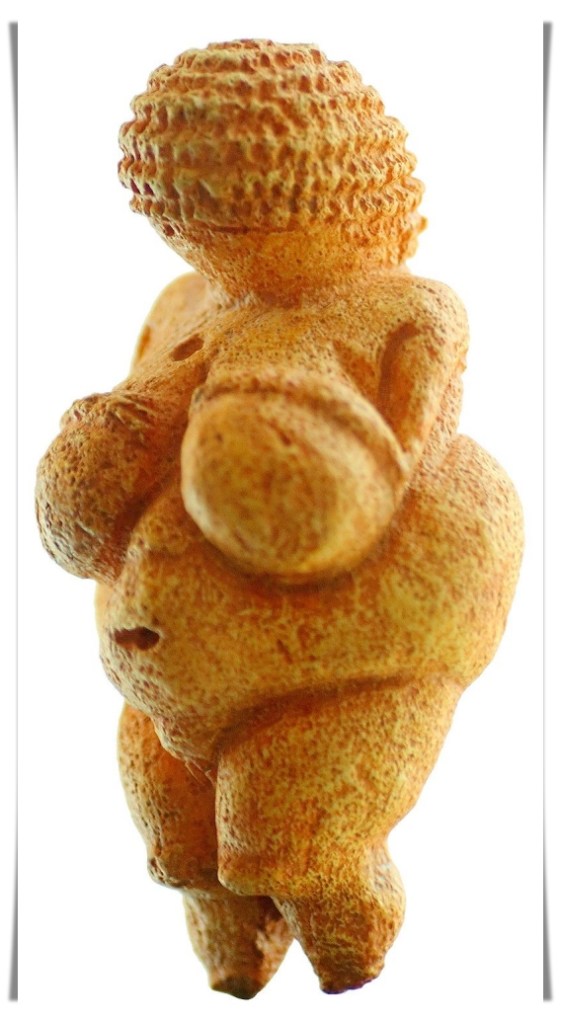
    It began with a figurine I read about somewhere on the Internet. The Venus of Willendorf.

    She’s only four inches tall, carved from oolitic limestone more than 25,000 years ago. Her breasts are full, her belly rotund, her hips wide. She has no face, but that doesn’t matter because she represents everything I felt insecure about. 

    Scholars have proposed various interpretations for her purpose—fertility symbolism, a goddess, or an idealized female form.

    She looked like me, though I’m not as chubby. And for the first time, that didn’t feel like an insult. She somehow validated me after years of shame and “before” pictures had silenced me. 

    But the Venus of Willendorf wasn’t the only one.

    Image source

    There are others like her found across Europe. These Venus figurines were carved from stone, bone, or ivory; their bodies were voluptuous, soft, and round.

    • Venus of Laussel—holding a cornucopia as if commanding attention. 
    • The Black Venus of Dolní Věstonice—dark and earthy and one of the oldest known ceramic figures.
    • Venus of Hohle Fels—she was worn as a pendant. Her legs widely apart, flaunting her exaggerated vulva.
    • The Seated Woman of Çatalhöyük—she rested on her throne like a supreme ruler. 
    • The Fat Court Lady of ancient China—elegant in her defiance of slim ideals.

    Each of them is a declaration of what womanhood looked like—and what it still looks like today. 

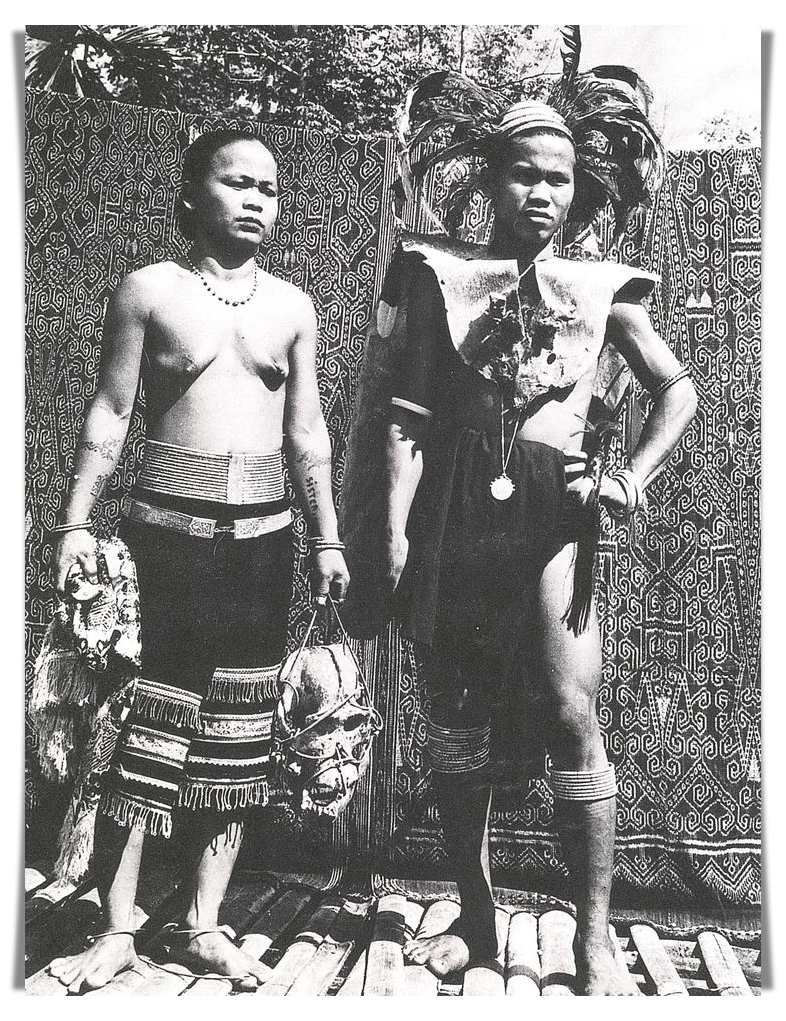
    I am Iban. My ancestors were women who moved with strength and dignity. They never counted calories. They planted paddy, fished in the river, foraged for food, carried firewood, and cooked over open flames. Their bodies were lean, skin tanned, breasts bared. Their bodies were shaped for survival. 

    Obesity is a modern thing. It’s often a byproduct of modern conveniences like fast food, desk jobs, and little exercise. Many modern Iban women are overweight—some from young, and some after motherhood. I was never overweight until I had children. And then my body changed in ways I couldn’t control.

    Image source

    My belly stretched, my skin thinned, my hormones fluctuated, and my fatigue made it difficult to exercise regularly. 

    And with those changes came something crueler—self-hate. 

    I started to avoid mirrors altogether. I admired other plus-size women who carried their softness with confidence. I thought they were beautiful and sexy. However, that admiration never extended inward. 

    But Venus is opening my eyes to the truth: my worth is not defined by my body. She doesn’t ask to be smaller or apologize for taking up space. She was carved by people who believed she was sacred and to be revered.

    Perhaps this belly, bearing life, surgery scars, and years of shame, merits a sacred touch. Maybe these dimpled thighs still deserve to be kissed. Maybe my body is a home to return to—and not a failure or an embarrassment. 

    But the Venus figurines weren’t the only ones teaching me to love myself again.

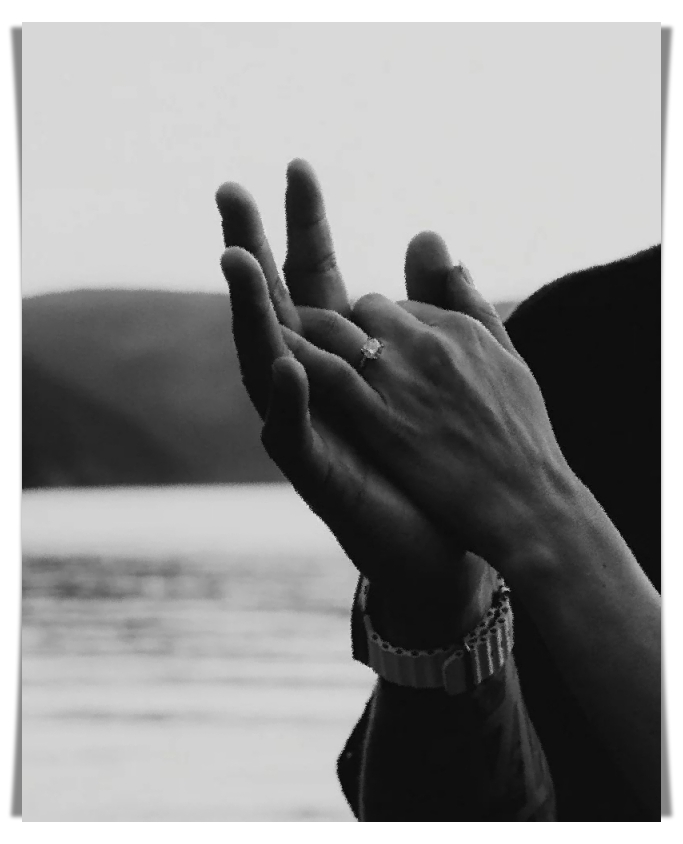
    Maybe it’s also the man who sees me with undiluted devotion. He who touches my body tenderly before dawn. He who tells me I’m beautiful when I can’t bear to look in the mirror. His love—ever so tender, constant, and full of reverence—has become the mirror I trust the most. In his eyes, I’m not broken but whole. 

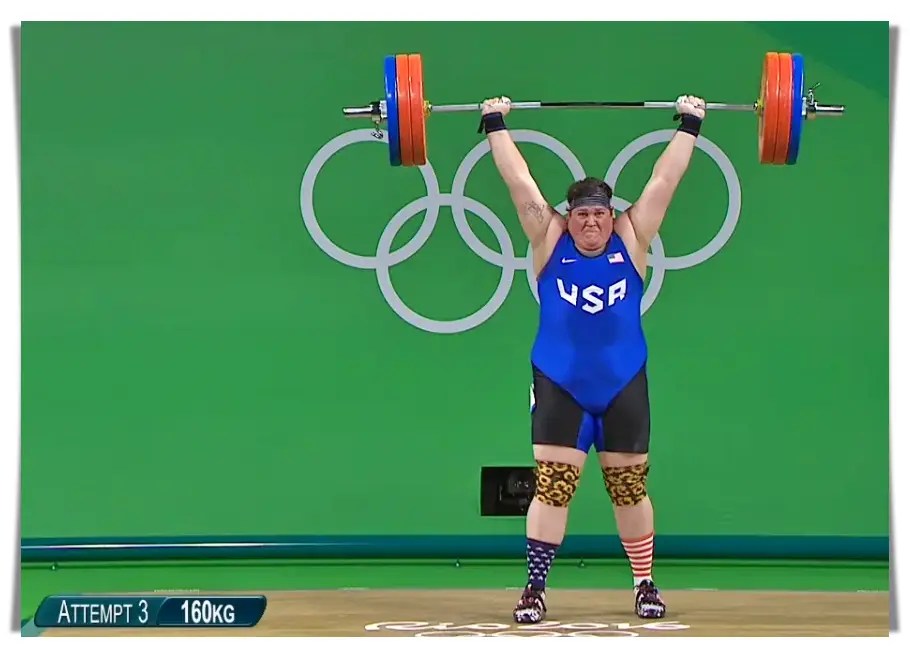
    The glorious Olympian weightlifter, Sarah Robles. Image source.

    Lately, I’ve even found myself moved by things I never paid attention to before—like Olympic weightlifting. I’ve never been big on sports, but when it comes to the Olympics or Paralympics, I always make sure to follow events like badminton, boxing, diving, and weightlifting. Badminton is a national love in Malaysia, especially since some of the world’s top players are Malaysian. As for diving and weightlifting, we have incredible athletes who come from my own home state of Sarawak.

    But what truly strikes me are the women weightlifters. These plus-size Olympians don’t get the credit they deserve. The world tends to picture women Olympians as thin-waisted, with sculpted abs and long, lean legs. But what about the women who lift more than twice their weight? What about Sarah Robles, Emily Campbell, Holley Mangold, Li Wenwen, and so many others?

    They are powerful, confident, and glorious. These beautiful Olympians remind me that strength does not look just one way. It comes in every size and shape.

    I’m still learning, still grieving the body I used to have. I’m learning to be grateful, to appreciate the body that has endured trauma—and survived. I’m done hiding because I’ve looked into the past, and I saw Venus there. And in her and his gaze, I truly saw myself—beautiful and worthy.

    And here’s a poem I wrote to accompany this post.

    Venus

    This belly
    needs a tuck—
    wrinkled, stretched,
    after birthing our
    warren of rabbits.
    It’s a map of every time I broke
    but kept going—
    still, it asks to be kissed.

    This skin—
    salted, soft, and scratched
    by fingers that fed, held, bled—
    still dares to shimmer.

    I am not
    a before,
    or an after.
    I am the altar
    where you kneel
    at my temple,
    again and again,
    falling apart in my hands.

    Copyright © Olivia JD 2025
    All Rights Reserved.

    The Loneliness That Lives Inside Love

    Daily writing prompt
    What’s something most people don’t understand?

    Image source

    Most people don’t understand that you can love someone deeply, share a life with them, raise children together, sleep side by side every night—and still feel alone.

    You still feel alone—not because they don’t love you or they don’t try. It’s because they can’t meet some of your deepest needs. Again, this is not because they’re unwilling or are dense but because that’s not how they’re built. That’s not who they are. You can’t force people to be what they are not. 

    This post is not meant to bash my husband.

    My husband and I had been together for 26 years. That’s a long time to share a life. Throughout our marriage, he carries many burdens. He works hard and often under tremendous pressure. He provides and makes sure we have what we need. The kids and I never lack anything and I see that and never take it for granted. Every time he comes home from work, no matter how exhausted he is, he still smiles and gives me a warm hug. When the kids were little, they would race to the door to greet him. And sometimes they still do, even as teenagers. I know what that kind of weight does to a person—the pressure of being the provider and the silent burden of responsibility.

    But I carry a lot of weight too. And most of them are invisible. It’s emotional and mental load. The labor of noticing, of anticipating needs, of asking questions to diffuse stress, soothing tensions, bridging gaps.

    People rarely see that part. They think that if a marriage lasts, it must be balanced. But many don’t realize that love doesn’t always mean symmetry. 

    My husband is a sweet, sweet man. He is not cruel or careless. He simply wasn’t taught how to sit inside discomfort and witness pain without attempting to fix or fleeing from it. He tries in his own way by cracking awkward jokes, physical closeness, showing up with food or spoiling me rotten. And I’ve learned, over the years, to see the love in those things.

    But I must be honest and as a writer, confronting my deepest truth is necessary. I want more than physical efforts or gestures. I want to be seen and not just supported. I want conversations that delve deep and not just coexistence. I want someone to meet me at the door of my inner world and not be afraid to come in. 

    Am I being bitter and writing all these down under the cloak of anonymity? Certainly not. We discussed this many times and he’s admitted he can’t meet me there because he is who he is and not built that way. And I acknowledge and accept him as who he truly is. And with acceptance, there is peace. Because I know I haven’t met all of his needs either. Marriage always goes both ways.

    Most people don’t understand that kind of grief. It’s the grief that comes with loving someone who can’t meet you where you are. It’s bittersweet and lonely. That loneliness doesn’t scream—it’s just there, aches, and lingers.

    But even within that grief, there is love. There’s kindness, history, forgiveness, effort, sacrifice, and acceptance of all that is good and bad. I love him so much. We are trying. Maybe not always in the same way, but still—we try each and every day. 

    We both carry weight. His is visible, important, and perhaps measurable in the eyes of the world. Mine is not. And that’s what most people don’t understand. 


    I wrote this poem to accompany this post. Here you go:

    Marriage

    I fold the laundry—
    his shirts, inside out,
    boxers with holes,
    T-shirts over-stretched,
    but we wear them anyway—
    like this marriage—
    flawed, warm in its own weather.

    My mind jumbled with lists—
    he doesn’t see them.

    He brings home groceries
    but forgets the eggs.
    The kale is yellowing on the edges.
    When good mood returns
    he touches my hip like a question,
    but never waits for the answer.

    Still, he comes home.

    Every night,
    hanging his silence next to mine.
    We sit.
    We eat.
    Scroll through our newsfeed.

    I carry the emotional X-rays,
    the careful calibration of my moods
    to his weather.

    But he carries things too—
    numbers, bills,
    the fear of shame
    of not being the man
    his father never taught him to be.

    We are not broken,
    only bruised by expectation.

    And still,
    he holds the child when I break,
    warms the bed before I slip in.
    Calls me “babe”.
    In return,
    I still reach for his length
    to soothe myself to sleep.

    So no—
    I don’t need rescue.
    This is the truthful
    opening of the hearts
    of two people
    carrying what they can.

    He lifts the roof.
    I hold the floor.

    And in the middle,
    we meet.

    Copyright © Olivia JD 2025
    All Rights Reserved.

    You are welcome to subscribe to my blog if my words resonate with you. Thank you.