I usually keep my meals simple. I prepare food that is easy and does not need a lot of time or attention. Cooking has never been something I enjoy. I find the act tiresome. The heat, the standing, and the continual movement in a hot kitchen. It wears me out quickly.
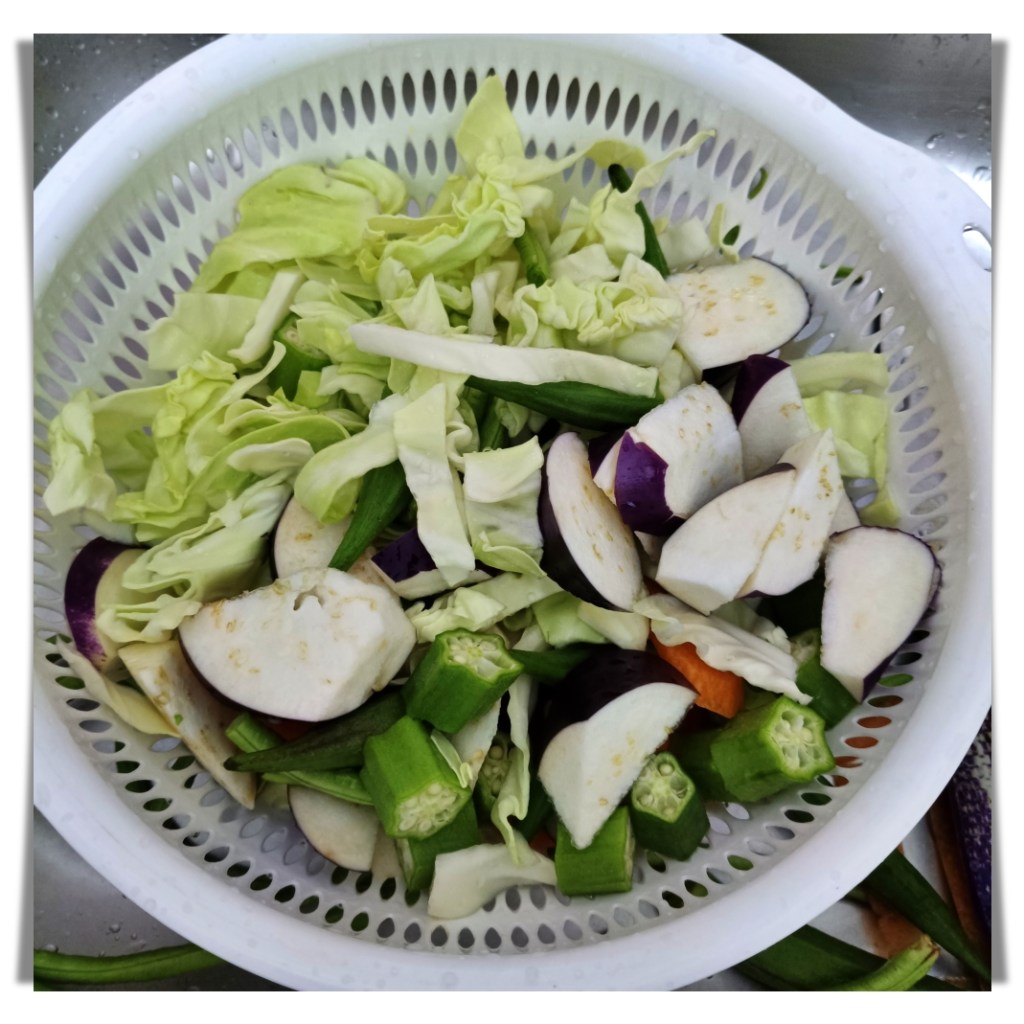
But today was different. I decided to prepare something special for the family. It was more than just a meal this time, a little more considered. I took my time, slicing the vegetables: eggplant, okra, and long beans. I observed the knife’s path, the way it transformed the surfaces as it went. Usually, I don’t focus on such details. Today I did.
The kitchen was hot. The heat was not only coming from the stove but also from the long, hot day. The sun was dazzling. The air felt still. As I stirred the pot, I could feel the heat descended on my skin and stay there. It made me feel sluggish.
I dislike this weather. If I could, I would always pick something cooler. Rain or a cloudy afternoon with gentle light and lighter air. My body moves more effortlessly on such days. Less clutter in my head.
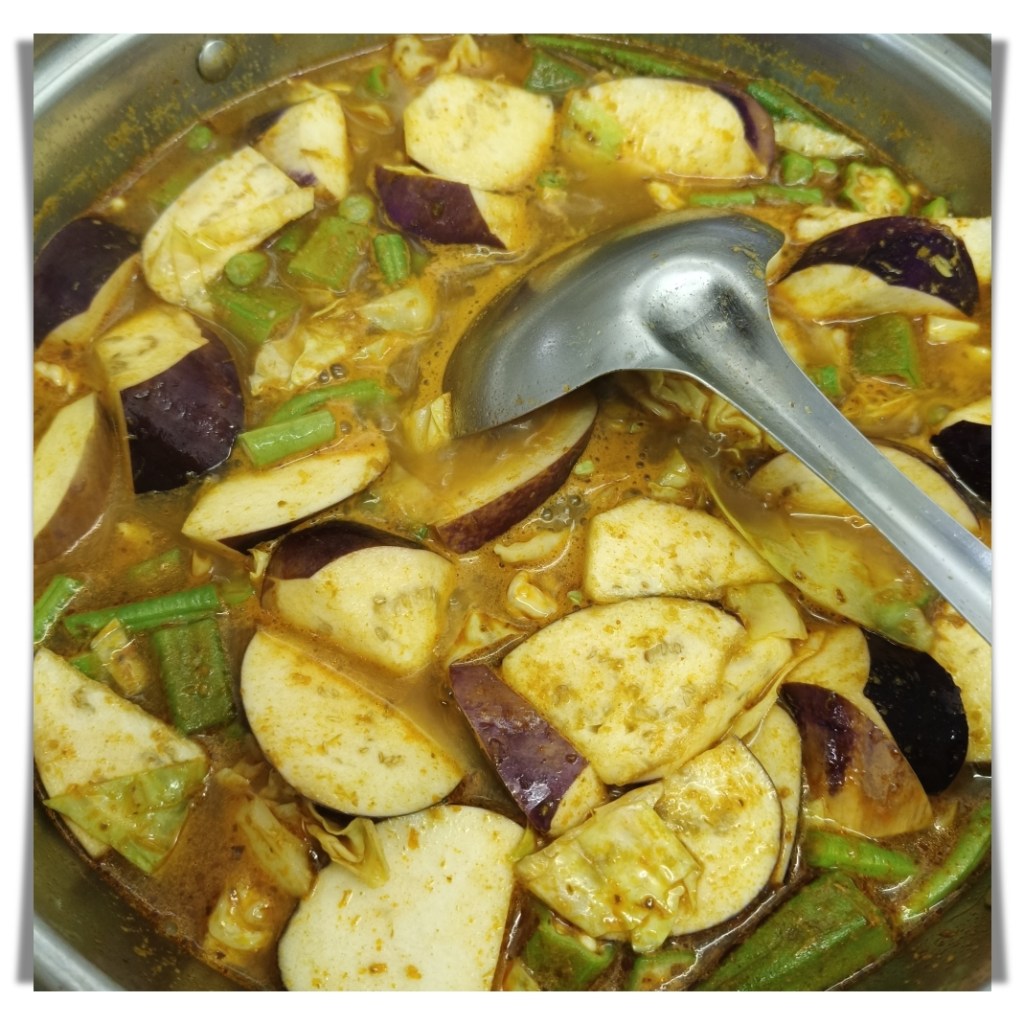
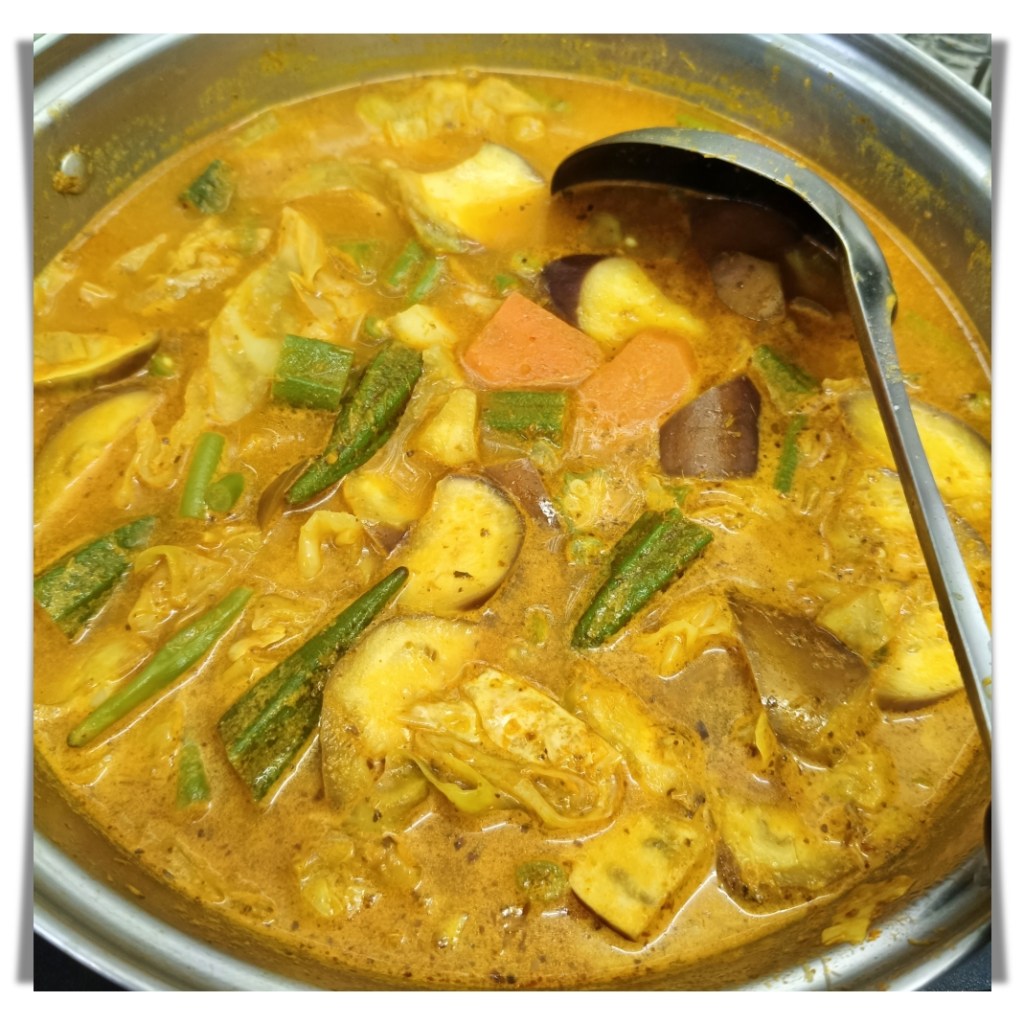
Today was not one of those days. It was bright and sunny outside, and I was preparing something spicy in a warm kitchen. The combination felt strange. The heat from the stove, the heat from the weather, and the heat from the food layered on top of each other. I stirred the curry and watched it thicken. The aroma and the warmth mixed as they spread through the room.
The heat persisted when I finally sat down to eat. In the air, on my skin, and in my food. The curry was delicious. A little spicy, but not too much. The veggies kept their form. The broth wasn’t overly thick.
I took my time eating. The spiciness stayed on my tongue. The warmth remained in my chest. Outside, the light had not softened yet.
I write about Iban culture, ancestral rituals, creative life, emotional truths, and the quiet transformations of love, motherhood, and identity. If this speaks to you, subscribe and journey with me.
If I were to answer this in the usual manner, I would probably say a teacher from school or someone who left a lasting impression on me. But when I think about influence more deeply, the answer does not point to a single person but to an organization. The church. The church was the most important teacher in my life.
For many years, the church shaped how I saw the world and my place in it. It influenced how I interpreted right and wrong, how I made choices, and how I approached questions about life. Because it was a part of my everyday life, I didn’t always notice how it influenced me. It felt normal, like a framework I could rely on.
That structure eventually became the way through which I processed most things. I learned to read selectively and only chose what aligned with the church’s values. I learned to ask questions carefully because some questions and topics are off-limits or could raise suspicions about my spiritual health. There was a limit to my curiosity, even if I didn’t always see it. But I didn’t think of this as a problem at the time. I considered it a sign of being responsible and disciplined. It also gave me a sense of direction and how to deal with uncertainty.
However, the church’s influence didn’t go away after I left. If anything, it made that influence more clear. Without it as my main point of reference, I started to see how much my outlook had changed over the years. Some reactions and patterns of thinking didn’t come from nowhere. They had been formed slowly and consistently over time.
This awareness grew over time and it showed up in little things. For example, when I read something and didn’t feel the urge to assess it against a set of beliefs. Another example is when I let a question remain open without feeling like I had to address it right away. What I noticed most was recognizing a familiar thinking pattern and stopping before going further.
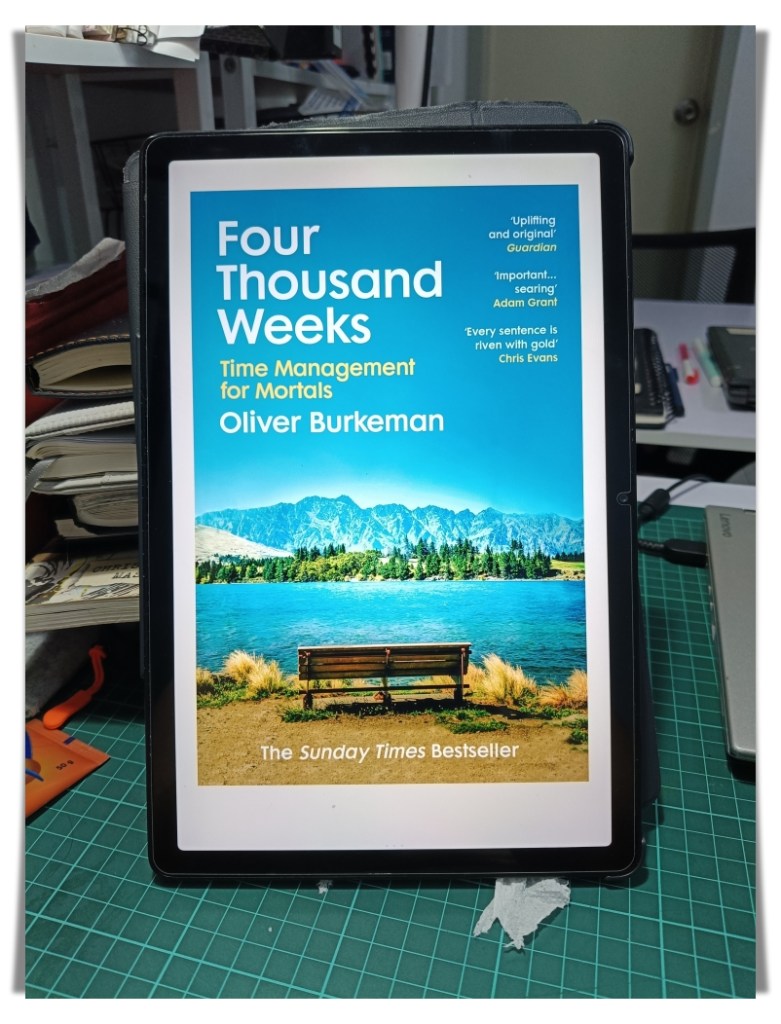
Recently, I have been reading Oliver Burkeman’s Four Thousand Weeks. The book does not present entirely new ideas, but it changed how I relate to what I had learned before. The idea that time is finite and not everything can be pursued has impacted how I see my life. It does not give me a new set of rules to follow. Instead, it reminds me that my time is limited and that I cannot do everything, no matter how much I want to.
Now, when I think about influence, it no longer refers to a single person or idea. It feels more like layers that have been added over time. Being in church for a long time shaped some of the ways I thought. Now, I question them and choose which ones still make sense to me. They still affect how I think, but I am more aware of them than I used to be.
I write about Iban culture, ancestral rituals, creative life, emotional truths, and the quiet transformations of love, motherhood, and identity. If this speaks to you, subscribe and journey with me.
I used to think that this question would have a straightforward answer. If I were to answer directly without much thought, I would probably say, “Read more, write more, and get more exercise.” These pursuits are easily slotted into a daily routine. However, my answer doesn’t seem as solid lately.
What I wish I could do more every day is to live without that continual feeling of pressure in the background. There is always this subtle feeling that I should be accomplishing more, learning faster, doing things right, or staying within particular boundaries that I didn’t set for myself.
I began to notice how that pressure changed the way I think. For years, the teachings and expectations of the church shaped the way I thought. I read selectively and questioned things carefully. My curiosity came with hesitation, as though there were boundaries I wasn’t meant to cross. I didn’t see it as pressure back then. I thought I was just being responsible and doing the right thing to safeguard my faith.
Things are clearer to me now that I’m no longer coming to church. However, the difference is very subtle and happens in little things. When I pick up a book, I don’t feel the need to examine if it aligns with my Christian values. I can entertain an idea without immediately judging its worth. I can linger in uncertainty, not feeling the pressure to have an answer on the spot.
I see it in my reading and writing. I can tell since my thoughts move more slowly and aren’t as occupied. I also have a softness that I didn’t have previously. I don’t condemn myself as quickly as I used to. I feel less inclined to turn every mistake into something that needs to be fixed right away. I can accept my flaws without feeling like I’ve failed.
The process is still new. I’m still in the early stages. There are times when I go back into old habits, like when I start to think in ways that I’ve been taught in church for years. But unlike before, now I have the awareness and I can stop the thought or pattern before it escalates even further. And with time, I believe I can unlearn the patterns that were shaped during those years in the church.
This ability to think and live with a sense of ownership is what I desire more of every day. I want to read without guilt. I want to ask questions without being afraid. I want to make decisions based on understanding rather than obligation. But I can’t force it into a schedule or keep track of it all the time. From the outside, it appears unproductive because it doesn’t always show results right away. However, it changes the texture of my day because the changes are internal. It gives me a sense of stability. It also gives me a peaceful mind because I don’t have to prove or justify anything.
And in that peace, I notice that I am more present in what I am already doing, like cooking, reading, writing, or being with my family, without feeling the need to be somewhere else. Like I said, the change is internal and happens slowly. Some days I notice it more than others. Some days I lose it and have to find my way back. But when it’s there, even briefly, the day feels a lot different.
I write about Iban culture, ancestral rituals, creative life, emotional truths, and the quiet transformations of love, motherhood, and identity. If this speaks to you, subscribe and journey with me.
What is one word that describes you? Just one word? If it’s only a word, then I feel it seems too narrow for something that changes as much as a person. One word makes it sound like something is set in stone. I don’t think I’ve ever been that. I sat with it for a while to find the right word. Finally, the word that came to mind was “return”.
It’s less about a return to something untouched and more about picking up something I set down for a while. I’ve found myself reaching for my sketchbooks again in the past few weeks.
I go through old paintings, rewrite poetry, change the margins, and print pages. The tasks are simple but they require my full attention. Every little decision affects the outcome and time passed by silently as I focused on each task.
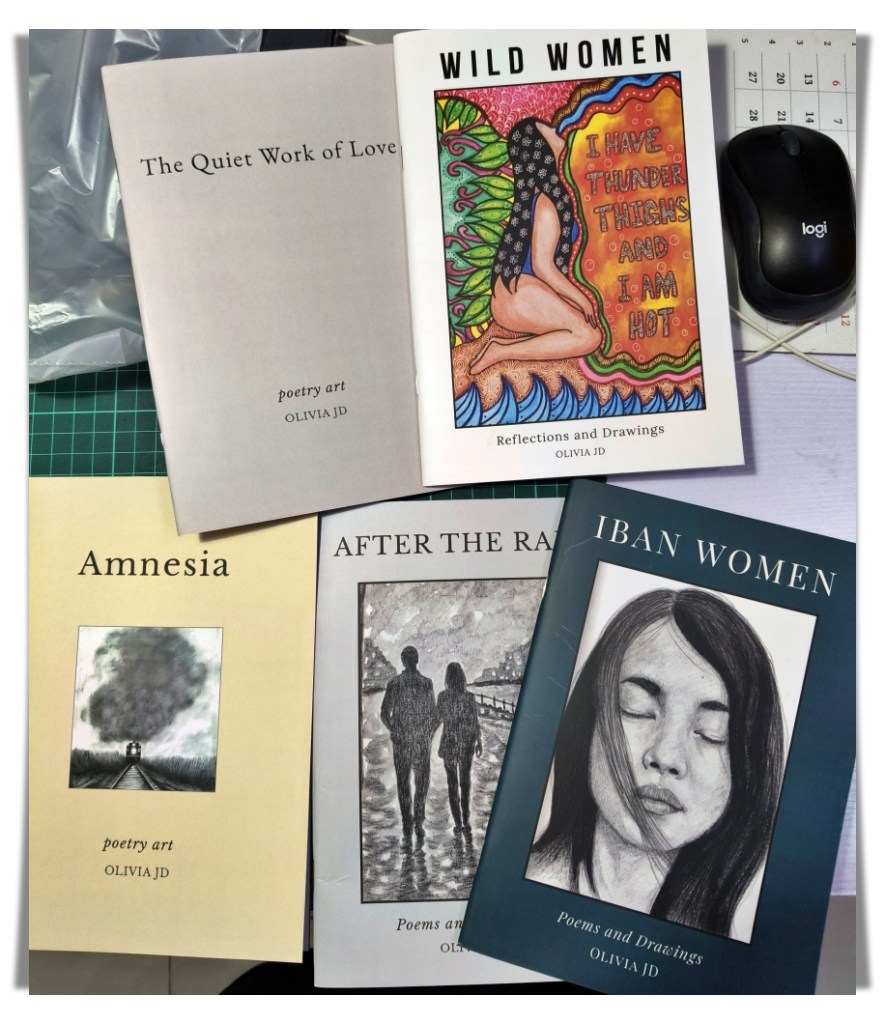
I recently blogged about the process of producing my zines and art cards. These are real and tangible things and unlike digital work, this is a slower way of working and nothing happens instantly. That post was a result of sitting at the table and crafting the zines, whereas this post is when I start to let them go and release them to the world. It’s been a while since I last put my work out on Etsy. I went on a hiatus when other things in life got in the way.
However, my art sat there waiting for me to return and produce something for the shop. It feels odd to come back to it now. I need time to readjust and relearn how to do some of the things, like working on Canva. I don’t want to make everything at once. I’m putting together one zine at a time, assembling each one carefully. I don’t force myself or think too far ahead on future projects. It is enough to just work on what is in front of me. So, I launched my Etsy shop again today.
It sits there quietly for now with five simple listings. All of them are the printable versions of my zines. They sit there waiting for the algorithm to index them and finally appear on the search results. No matter how excited and proud I am about them, I don’t feel the need to announce it loudly to the world. The act of listing them on the shop and making them public is enough for me.
I realized how familiar the process felt as I worked on the listings. The tasks of writing descriptions, picking titles, and putting pages in order are the things I have done in the past. However, I’m doing things now with a different way of thinking. There is less doubt while making small decisions and I go through them without overthinking.
The work itself hasn’t changed much. It is still made of the same things: words, ink, graphite, and paper. What has changed is my approach to it. I’m not trying to make something big and complicated. I’m just working on one zine at a time, finishing it, and moving on to the next.
There are still certain things that are unclear. I don’t know how people will react to it or how often I will add more listings. Right now, I’m not trying to answer those questions. I just let it be and do not stress myself about the outcome. For now, I am here again, sitting at the table, working on my art and poems. The shop is open and life flows on. It all feels like a “return” or homecoming, somehow.
I write about Iban culture, ancestral rituals, creative life, emotional truths, and the quiet transformations of love, motherhood, and identity. If this speaks to you, subscribe and journey with me.
In a previous post called The Essence of a Smaller Life, I wrote about reading Andy Couturier’s The Abundance of Less and how I became interested in the quiet lives of the people he profiles. The book talks about people in rural Japan who have chosen to live outside of the fast pace and high expectations of modern economic life. Their stories describe lives with less stress, fewer goals, and more focus on the rhythms of daily life.
But as I kept reading, one chapter triggered me in ways I didn’t expect. It was the chapter about Atsuko Watanabe, an environmental activist whose views on success, recognition, and the purpose of life challenged me rather than inspired me. At one point in the interview, she says that becoming famous, making money from painting (art), or winning prizes is not worth anything. She says that life isn’t about worrying about what other people think of you. The statement stuck with me.
It sounded absolute and almost dismissive. But I also reminded myself that the interview took place in the 1990s, long before the internet and social media changed how recognition and visibility operate today. The first edition of The Abundance of Less came out in 2010, and the second edition came out in 2017. Reading her words decades later offers a fresh perspective on their impact.
Watanabe’s philosophy is clear. She doesn’t believe in the common measures of success, like getting awards, being popular, and having financial achievement. Instead, she organizes her life around activism, getting involved in her community, and living by ethical standards. I admit that her choice demonstrates integrity; however, living by principles instead of seeking social rewards requires faith or strong conviction.
Even though I disagree with some of the things she said, I could relate to her desire for time to reflect, read, learn, and make art. Those are values that are important to me. I also found myself admiring another aspect of her life. As a Catholic living in rural Japan, Watanabe chose a spiritual path that was uncommon in her surroundings. It takes courage to have that kind of belief. It reminded me of my own complicated relationship with faith as an Iban, even though my path has gone in the opposite direction. But I couldn’t help but push back against the moral certainty in what she said.
From where I stand today, living in a modern city, I see that being part of the larger economy doesn’t always mean wanting to pursue fame or recognition. For a vast majority of people, it’s just the way things are to make a living. Families have to pay off mortgages, debts, and other obligations. Not everything you work on is about getting ahead or improving social standing. A lot of the time, it’s just how we support the people under our care.
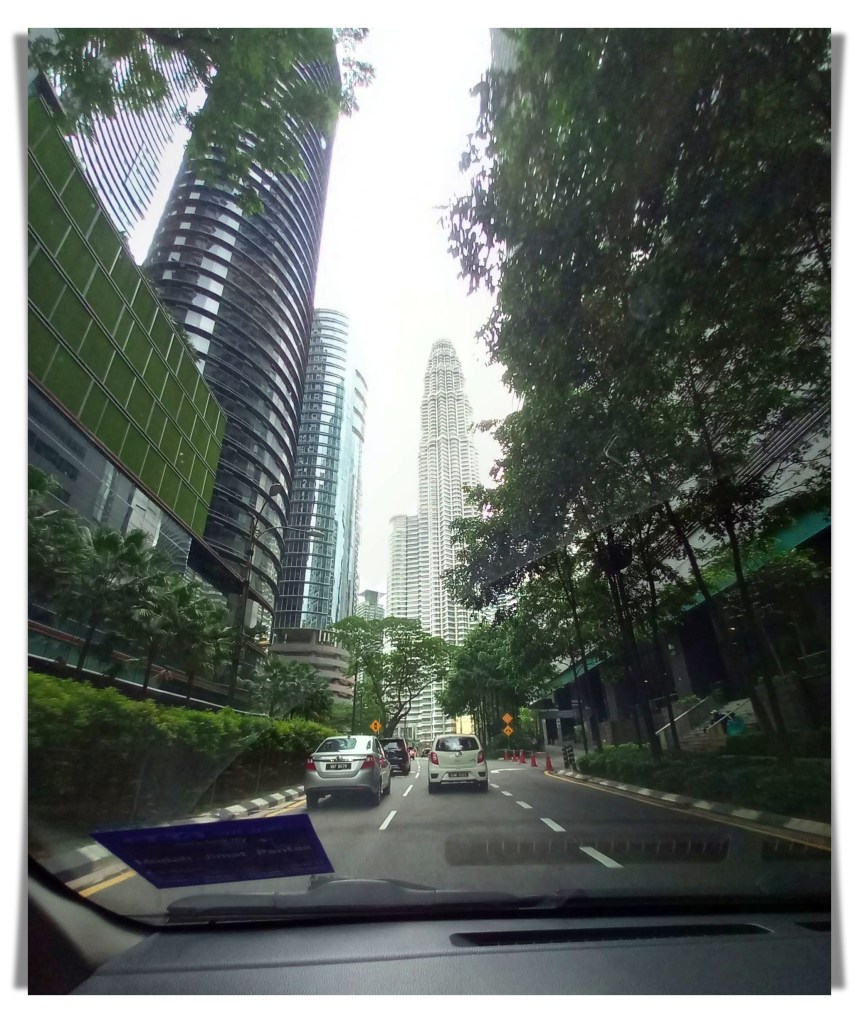
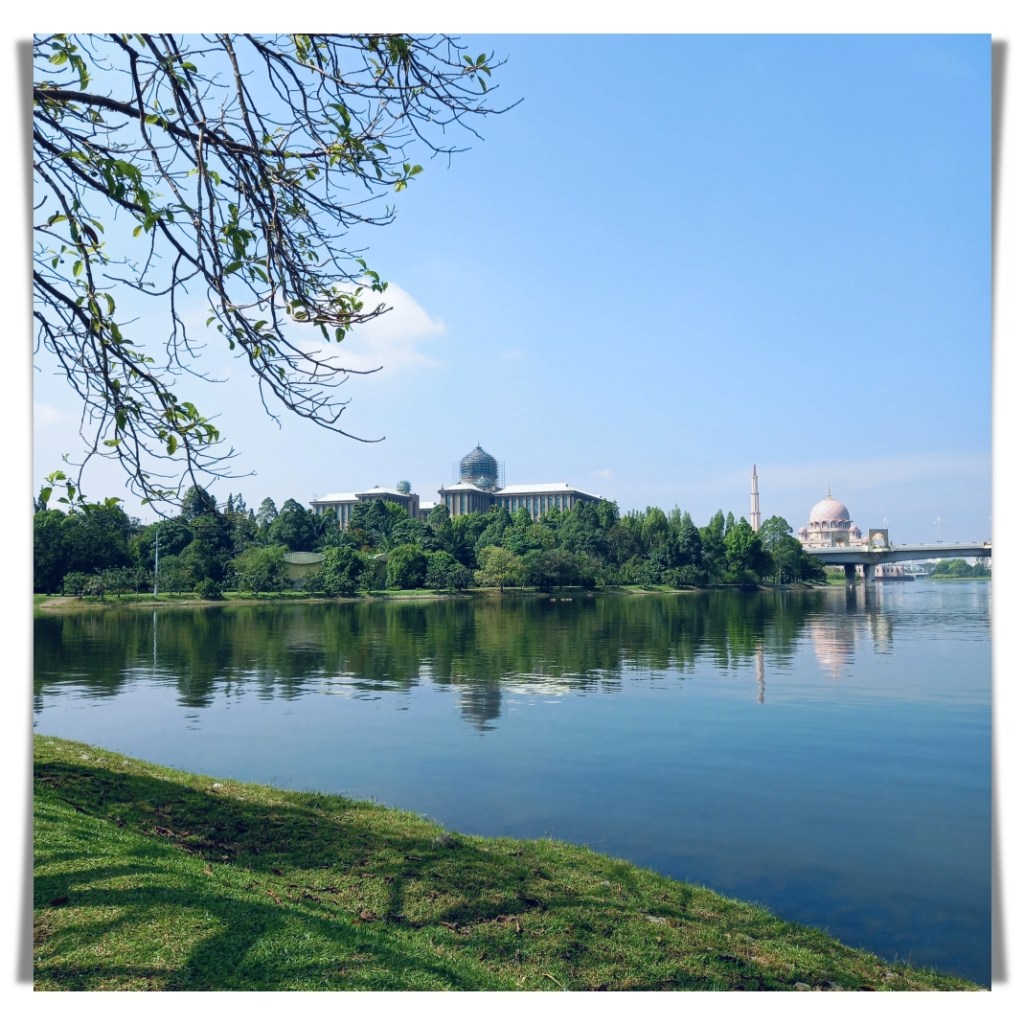
Downtown Kuala Lumpur. A daily view for those who work in the city center. Photo taken inside my car heading towards KLCC.
When someone says that fame or recognition is meaningless, it can sound like they are judging people who live differently. A lot of people are just trying to make sense of the situations they have inherited. This chapter also made me think about the bigger idea of “simple living.”
For me, simplicity is not an abstract idea. I am Iban, and many Ibans in Borneo still maintain connections to communal life in longhouses. These communities are often in the rural areas, reachable by rivers, logging roads, or modern roads. Life there is closely tied to the land. People get their food from nature by planting rice, fishing in nearby rivers, and hunting in the jungle. For someone who lives in a city, that way of life might seem peaceful and romantic. It looks like the embodiment of simplicity. But simplicity in that context isn’t necessarily easy.
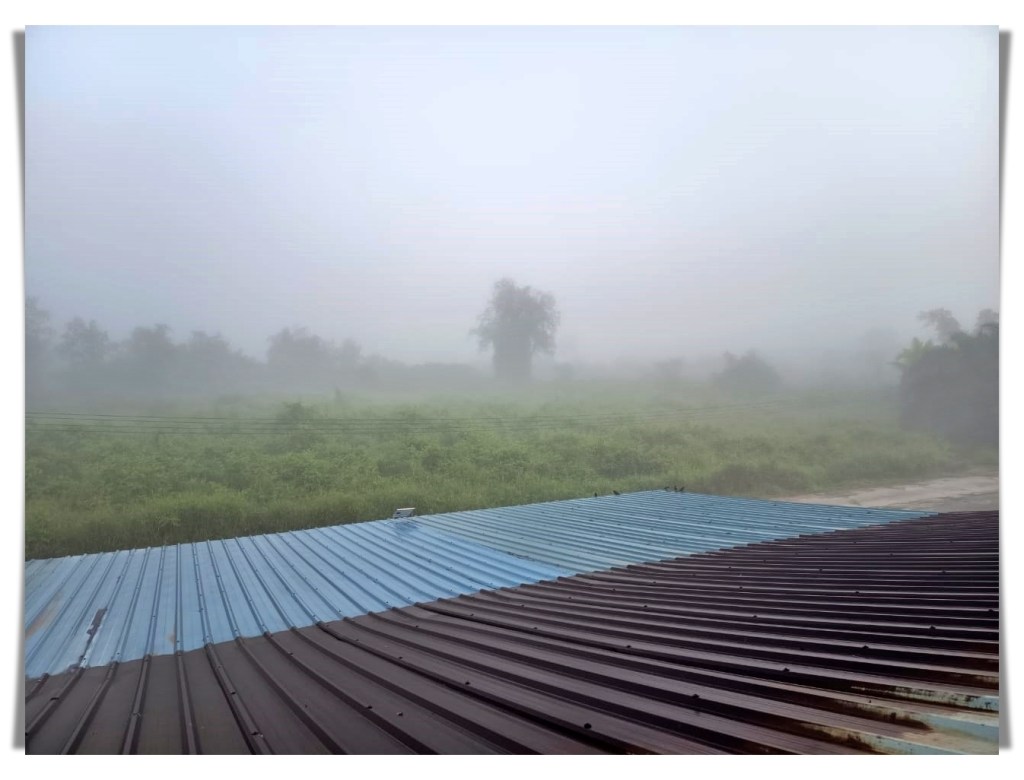
Early morning mist at my family longhouse in Sarawak, Borneo.
Planting rice under the blazing sun demands grueling physical effort. Hunting and fishing, too, come with their set of risks. In some rivers, crocodiles aren’t baseless rumors; they’re genuine threats. Jungles can harbor venomous snakes and other dangerous creatures. Living in a longhouse requires strength, teamwork, grit, and resilience. While many consider it a fulfilling way of life, it’s not something one casually adopts because it seems attractive.
You see, living simply isn’t always simple at all. It requires particular conditions like having access to land, strong ties to the community, and willingness to endure hardship and inconvenience. The philosophy can be difficult to follow, and sometimes even impossible, without those conditions.
In one way, I agree with Watanabe. She says that this kind of life might be good for someone who doesn’t mind being inconvenienced. There is truth in that observation. Living closer to the land often means accepting limits that modern city life tries to eliminate.
What makes me hesitate is the moral certainty that sometimes comes with these ideals. When simplicity is seen as the best way to live, it ignores the things that affect other people’s choices. When someone has already left the systems that make those goals necessary for others, it’s easy to reject recognition and material success. Many people are not chasing fame or recognition. They are simply doing their best to meet the responsibilities of their lives.
I doubt that simplicity is something that only exists in rural areas or outside of modern systems. I see it as something more personal and not necessarily needing to be away from our current situation. It is how we decide what is worth our time. It is also how we keep our lives from getting too complex and beyond control and how we stay connected to what matters even when we are stuck in places we can’t easily escape. I personally believe that simplicity today doesn’t mean completely shutting yourself off from the modern world and figuring out how to live with purpose in it.
I write about Iban culture, ancestral rituals, creative life, emotional truths, and the quiet transformations of love, motherhood, and identity. If this speaks to you, subscribe and journey with me.
Today’s writing prompt asks, “Who is the most confident person you know?” I paused reading it for a moment. The question assumes the existence of absolute confidence, as though an individual could navigate life with complete confidence in every circumstance. I’ve never met anyone like that. Based on what I’ve seen, confidence only shows up in some places. It comes from a mix of experience, knowledge, and familiarity. Even the smartest person can get confused outside of those areas.
A surgeon might seem calm and sure of themself in the operating room, but they might feel out of place in a room full of strangers. A history professor may not know what to say when asked about something that isn’t in their field. If you spend enough time with someone, even if they seem sure of themselves, you might see them show signs of doubt.
Knowing your subject well is a big part of confidence. When someone has been studying or practicing something for a long time, it’s clear that they know what they’re doing. They are more calm and they tend to not rush to fill silence or insist that they are right. They simply speak from their knowledge and experience.
Another form of confidence is performed. Some people project confidence loudly and often talk quickly and with authority about many things. It can look real from a distance but it becomes clear over time that the performance is based on very little knowledge. So what is the difference between the two? Real confidence doesn’t need to be reinforced all the time. It doesn’t need outside validation or praise.
When I write about Iban culture, I sometimes think about this. Because I grew up in that world, I feel confident I can talk about it in some ways. I experienced the culture instead of merely reading about it. I remember the stories told by the elders, things like the forest, the spirits, and the land. These things form a background that is difficult to separate from everyday life. But that doesn’t mean I understand everything about being Iban.
The culture is much bigger than what one person has experienced. It holds memories from many generations and traditions that had been passed down for a long time before written records existed. And customs or practices that vary from one region to another. Even now, I still come across stories, beliefs, and historical facts that I didn’t know before.
Some discoveries come through books written by researchers. At other times they also appear in conversations with older relatives who remember things that were never written down. Sometimes they emerge as fragments of memory that return out of the blue. These moments show that being a part of a culture doesn’t mean you know everything about it. It means starting the journey from the inside and experiencing it firsthand.
That’s where my confidence lies when I write about these things. It is not the confidence of someone who thinks they know everything about the subject. It’s the knowledge of someone who has lived in a certain world long enough to see its patterns, even though they know that most of it is still out of reach.
It seems that this kind of partial confidence is everywhere. People go through life with small areas of certainty and much larger areas of learning around them. Nobody is confident about everything in life. Most of us just know where our footing feels steady and where it does not.
I write about Iban culture, ancestral rituals, creative life, emotional truths, and the quiet transformations of love, motherhood, and identity. If this speaks to you, subscribe and journey with me.
Negative feelings often come and go, but some stay longer than we expect. I recently went through one of those stretches. It wasn’t just one feeling; it was a mix of many, including grief, boredom, loneliness, anger, and a silent existential restlessness that lasted longer than I anticipated. None of these feelings came on suddenly. They built up over time until I realized I had been sitting with them for days.
During these times, it’s easy for the mind to spiral out of control. It’s easy to give in to the heaviness and let despair take over the narrative. I have learned that negative feelings don’t just go away on their own. Sometimes they need an intentional response.
I often return to creativity first. I start with little things, like working on my zines, drawing, and making art cards. Working with my hands helps me get my thoughts back in order. It reminds me that even when life is unpredictable, something meaningful can still be created.
Watching documentaries is another thing that helps me when I’m feeling down. I often go to YouTube and watch stories about other places in the world and the lives of the people who live there. I recently watched several short documentaries about loneliness and social isolation in Japan. These documentaries made me reflect about how the feelings or struggles that we don’t talk about with others are often part of a bigger human experience.
That realization makes me think about my own experience in a different way. It helps me feel less alone in how I feel. It changes how I see things. When we step outside of our own thoughts and look at the world around us, our internal narrative becomes less intense and being curious opens up other options.
Those documentaries made me think of something else as well. There are many choices in life. I understand that clinical depression is real and that many people have to deal with it. Some of my own emotional states also change based on the choices I make. I have the option to create, learn, explore, or connect with others. If you stay in despair, it can become a habit that is difficult to break.
This doesn’t mean ignoring pain or pretending everything is fine. It means recognizing that even when things are hard, we can still respond in small ways. Some of these responses might be as simple as making art, writing a few lines in your journal, watching a thoughtful documentary, or getting in touch with a group of people who have similar interests.
The feelings may still be there, but they don’t have to decide our direction. When we have negative feelings, we can still choose how to deal with them. Even when things are difficult, we still have small choices that may gradually alter our course.
I write about Iban culture, ancestral rituals, creative life, emotional truths, and the quiet transformations of love, motherhood, and identity. If this speaks to you, subscribe and journey with me.
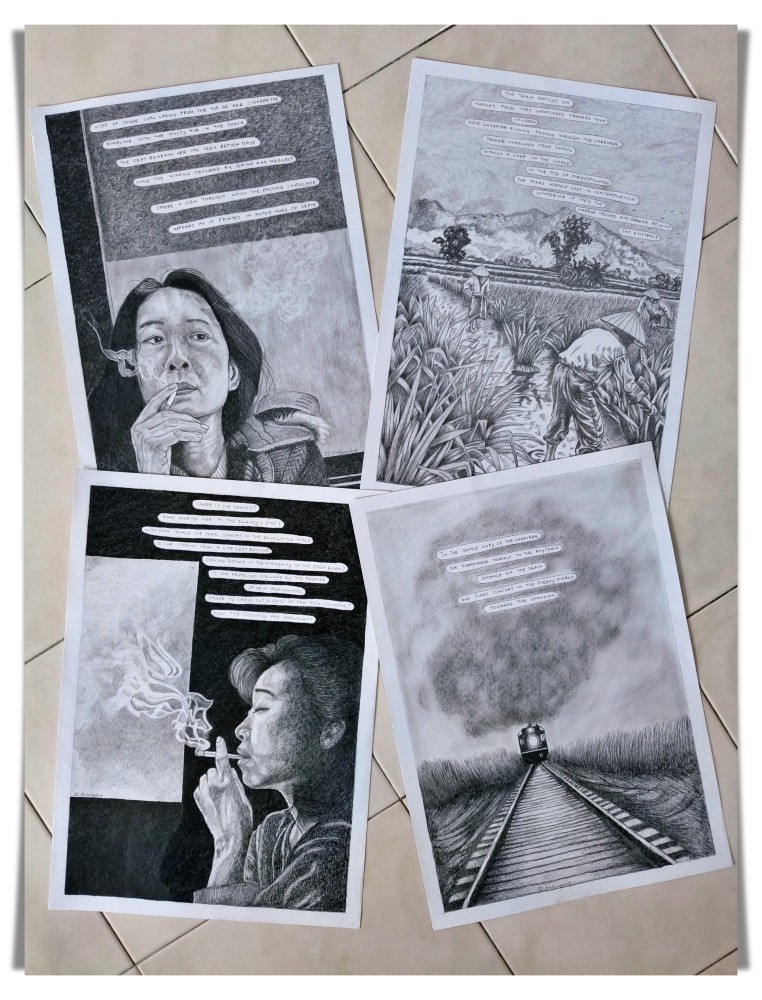
I’ve been spending a lot of time working with paper lately. It starts off quietly. I look through my folders to find a drawing that fits. After that, I edit the poem that goes with it. Then comes the layout of the page. My table slowly fills with printed sheets waiting to be assembled into small booklets. I sit down to adjust a margin or review a page, and before I know it, the afternoon is gone. The work is simple, but it needs careful attention.
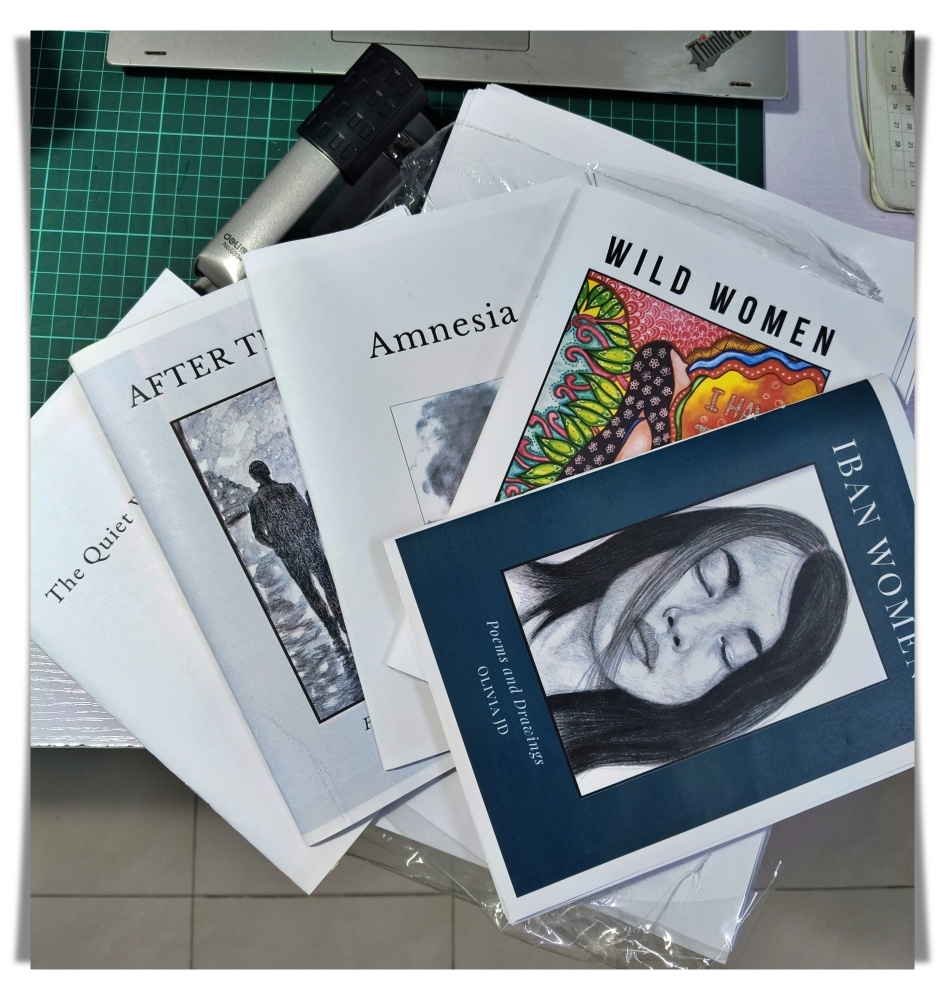
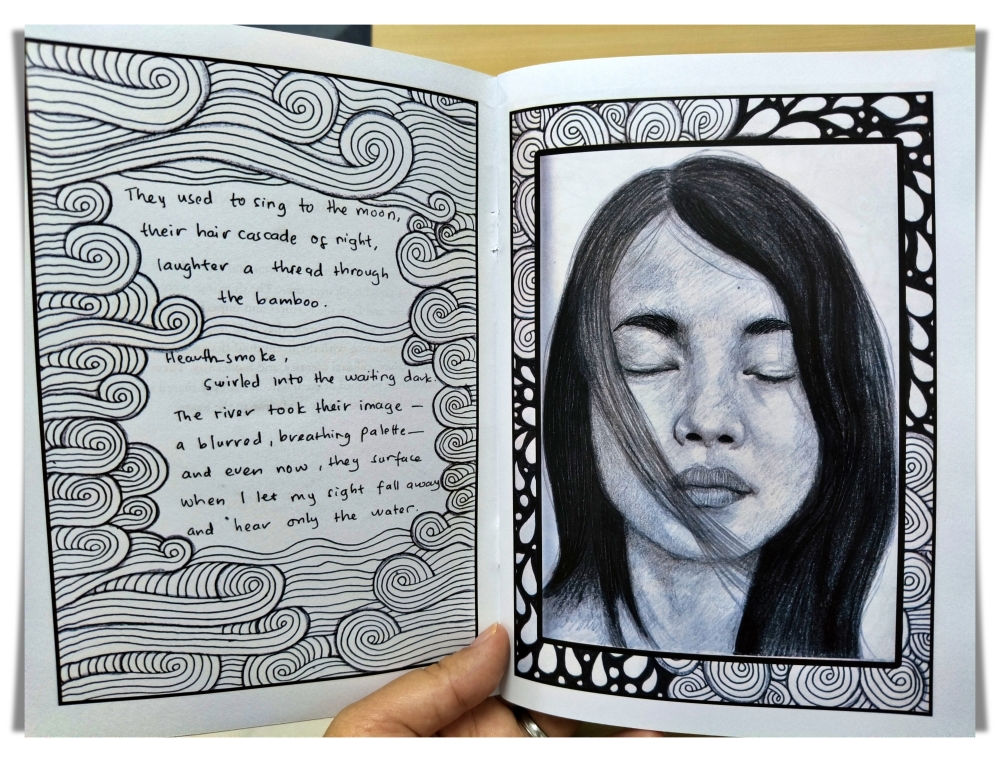
For the past few weeks I have been turning some of my drawings and poems into small zines. I created many of these pieces years ago and stored them in sketchbooks or folders. Putting them all together in a small printed booklet makes it feel like they have a place to sit next to each other. The format is modest. A4 pages, folded and stapled. Seeing my drawings and words in the same space makes me feel pleased and grateful.
There are a lot of minor adjustments that need to be made to get them ready for printing. These include the order of the pages, margins, and size of the paper. I just learned about “bleed,” which is a small extension of color that goes past the edge of the page so that the final cut doesn’t leave a white border. It’s a small technical detail, only a few millimeters wide, but learning about it helped the process move more slowly. When you start to notice these little things, the work becomes more purposeful.
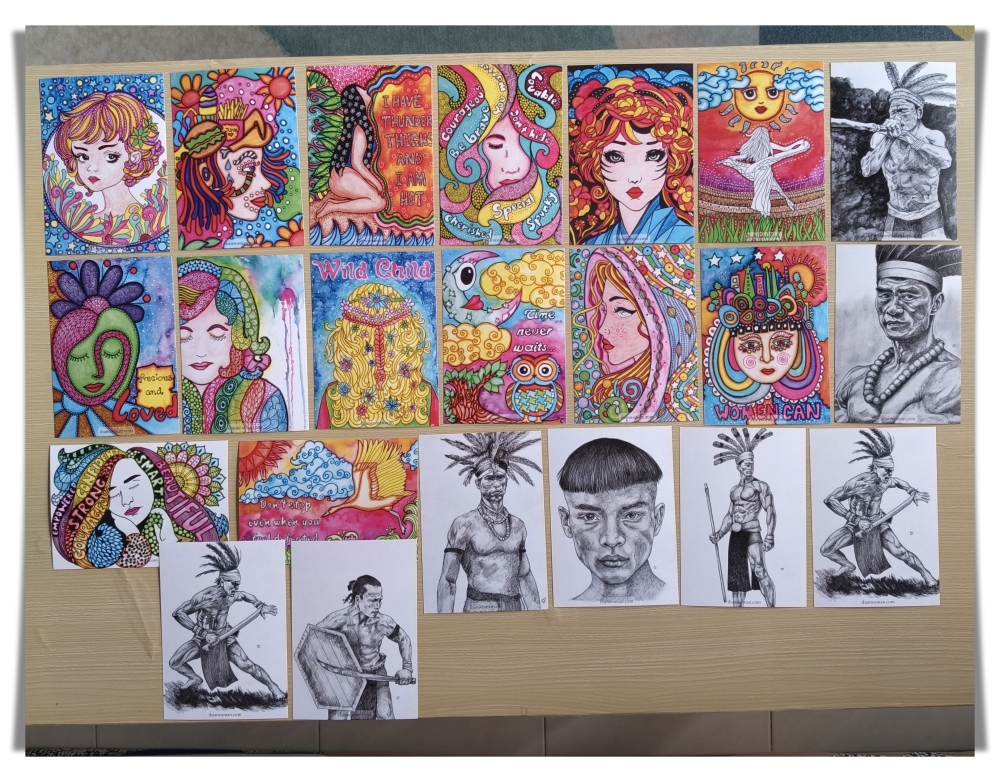
In addition to the zines, I’ve also been making art cards out of some of my drawings. These are small reproductions of older works I made over the years. Some are colorful illustrations from past projects, and others are drawings in graphite. They look different when you print them on postcards. They don’t seem like things from a sketchbook anymore but something that I can now share with the world.
I start to see how different the work has been when I lay it out on the table. Next to quiet graphite portraits, there are bright, fun drawings. Cultural drawings next to fun characters. Each of these drawings belongs to a different moment in time.
There is a rhythm of simple tasks that goes into making these small prints and booklets: looking through the files, assembling the booklets, and sending them to the printer. Waiting. When the printed copies come, open the package. Looking through the pages to make sure everything is in the right place.
I received the first set of zines yesterday afternoon. They came back with some problems. The paper was thin, and the binding looked like it was done quickly and poorly. I took out the staples, added a thicker sheet to the covers, and then stapled them back together. These are just prototypes but holding them in my hands made the work feel more real.
There is something absorbing about the physical nature of these steps. The papers were stacked on the desk. The smell of fresh prints. And the newly folded booklet along the middle line.
While I work on these small paper projects, time moves slowly in the background. I only notice it when the light in the room changes or when I see that the stack of pages next to me has gotten smaller. The poems and drawings slowly settle into their places. The cards are lined up on the table. The zines rest in a small pile, ready for the next step.
I write about Iban culture, ancestral rituals, creative life, emotional truths, and the quiet transformations of love, motherhood, and identity. If this speaks to you, subscribe and journey with me.
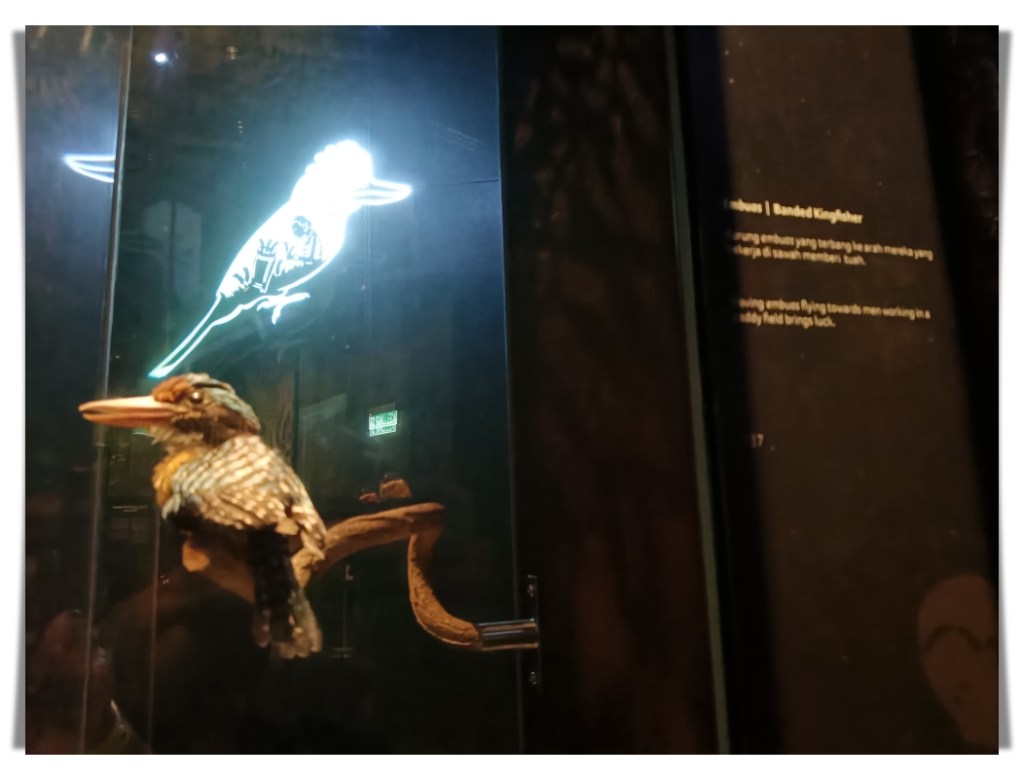
Embuas (banded kingfisher), one of the Iban’s omen bird. Photo taken at the Borneo Cultures Museum.
People sometimes ask whether I am superstitious. I never know how to answer that question. I grew up Iban in Sarawak, where the stories people carry about the world are different from those taught in textbooks. And these stories often include elements that some might consider superstitious. In many conversations today, the word “superstition” is used to describe beliefs that seem irrational or outdated. It implies a bygone era and a belief system that should be abandoned.
But the word doesn’t fit when I think about the beliefs I heard as a child growing up in Sarawak. Among the Iban, there was once a system of augury known as “beburong.” Certain birds were believed to carry messages from the spirit world. The Iban believed that these birds had a special purpose. People paid close attention to their calls, and the direction of the bird’s flight was important. People listened to them when deciding whether to begin a journey, clear land for farming, or carry out other important tasks such as headhunting.
These practices were linked to Sengalang Burong, a powerful god associated with war and omen birds. Iban people believed that he and his children watched over human affairs through the voices of these birds. The forest was never silent because every sound had a meaning. From the outside, it looks like superstition. People who depend on data, evidence, and measurable results find it hard to believe that birds could help individuals make important decisions.
The Iban once lived very closely with the land. Rivers determined travel. Forests provided food, medicine, and shelter. Paying attention to patterns in nature was part of daily life and also part of survival.
I don’t try to figure out if the birds really brought messages from the spirit world. These beliefs shaped how people saw the world and how they understood their connection to nature and the spiritual meaning of their surroundings. They taught people to pay attention and reminded communities that humans and the land that supported them were not separate.
Most Iban communities no longer depend on omens from birds. Electricity and internet connections power the longhouses that once practiced these beliefs. Younger generations leave for cities, universities, and office jobs. The old systems of interpretation are fading, and many people now refer to them as cultural history. However, the stories remain.
When elders talk about encountering certain birds, they do so with the same calm seriousness they would use to talk about a change in the weather or the flow of a river. These memories are not embarrassing for the elders to share. They are just a part of how earlier generations understood their lives.
Modern language often labels such beliefs as superstition. The word closes the conversation quickly, as if discussing it were shameful or in conflict with Abrahamic religious beliefs. It suggests that there is nothing more to examine. But as I grow older, I feel less certain about dismissing things so easily.
Beburong is part of my cultural heritage, but I never relied on omen birds to guide my decisions. Now, my days are filled with work, art, writing, family obligations, and the normal routines of modern life. But when I’m walking outdoors and hear certain birds, those beliefs return to my mind. It doesn’t ask for faith. It only reminds me that there were once other ways of listening to the world.
I write about Iban culture, ancestral rituals, creative life, emotional truths, and the quiet transformations of love, motherhood, and identity. If this speaks to you, subscribe and journey with me.
As I write this, the world feels tense and unstable. The escalating conflict involving the United States, Israel, and Iran weighs heavily on many of us watching from afar. I condemn war, bombing, and any form of oppression, because civilians absorb the damage. I do not support governments that enable violence, nor leaders who remain in power to control their people indefinitely. None of these positions justify harm. My thoughts are with the ordinary families, the displaced, the children, the elderly, and even the animals whose lives are disrupted or ended by decisions they did not make.
To be honest, writing this post is challenging for me, as it requires me to acknowledge some shortcomings and feelings of shame stemming from my past experiences with the church. For those who read my blog regularly, you might notice that I mentioned deconstructing my Christian faith and leaving the church several months ago. However, as a writer, I believe I should not only write about the rosy parts of life but also the ugly ones. So what experiences in life helped me grow the most?
Disorientation, not achievement or visible milestones, was what helped me grow the most. Five years ago, I thought I would fall apart without the church. I thought I needed other people to help me make important decisions. I used to think that being obedient would keep me safe. If I questioned advice given by church members or made a different choice, I thought something was wrong with me. I told myself I was hardheaded, rebellious, proud, and even divisive. I didn’t hear those labels yelled at me every day, but they were implied often enough that I absorbed them.
I kept those words to myself, and slowly, throughout the years, they changed the way I thought about my thoughts. I imagined how other people might see my choices before I made them. I believed that being humble meant following the rules, and I assumed that having doubts meant being morally weak. And yes, when you spend years in a highly controlled environment, you will have these toxic thinking patterns. I haven’t decided to write about it yet because I’m still processing my experiences over the last 20 years.
If I were being honest, I didn’t feel courageous leaving the church. In fact, it made me feel unstable. For a while, I thought things would fall apart and I waited for proof that I couldn’t steer my life without guidance from the church. I believed if I didn’t get regular feedback or advice, I would make mistakes. I closely monitored myself, expecting to fail.
Instead, something happened gradually. I started making decisions without checking with anyone first. I started with minor decisions and worked my way up to bigger ones. My judgment was correct. I wasn’t being careless or crazy, and I wasn’t falling apart. The world didn’t end because I trusted my own judgment.
Without constant guidance, I had to pay more attention to myself. I had to distinguish between fear and discernment. I had to deal with uncertainty without immediately looking for reassurance. The process was uncomfortable, and it made me realize that a lot of my previous obedience was based on fear rather than belief in Christian conviction.
Another area that helped me grow the most is being a mother. It changed me in ways I didn’t expect. It took a lot of strength to raise kids while dealing with fatigue, migraines, and changing health. This tedious work of mothering often happened in silence and without an audience. Perseverance didn’t happen overnight. I had to build it slowly throughout the years and without drama. Being a responsible parent meant making choices even when I wasn’t sure what to do.
Financial instability made things even worse. It showed me how much of my hesitation was due to fear of being wrong. When income is uncertain, every choice feels amplified. As time went on, I learned that instability doesn’t always mean you’re not good at what you do. It just means you are in a hard season, and the seasons will change.
However, the most significant change was internal. I no longer believe that being independent meant being rebellious. I stopped thinking that disagreeing was a sign of moral failure. I no longer believe that valid guidance must come from a single authority or religion. These days, I trust my reasoning with steadiness instead of pride or certainty.
I write about Iban culture, ancestral rituals, creative life, emotional truths, and the quiet transformations of love, motherhood, and identity. If this speaks to you, subscribe and journey with me.






 Olivia's Atelier