
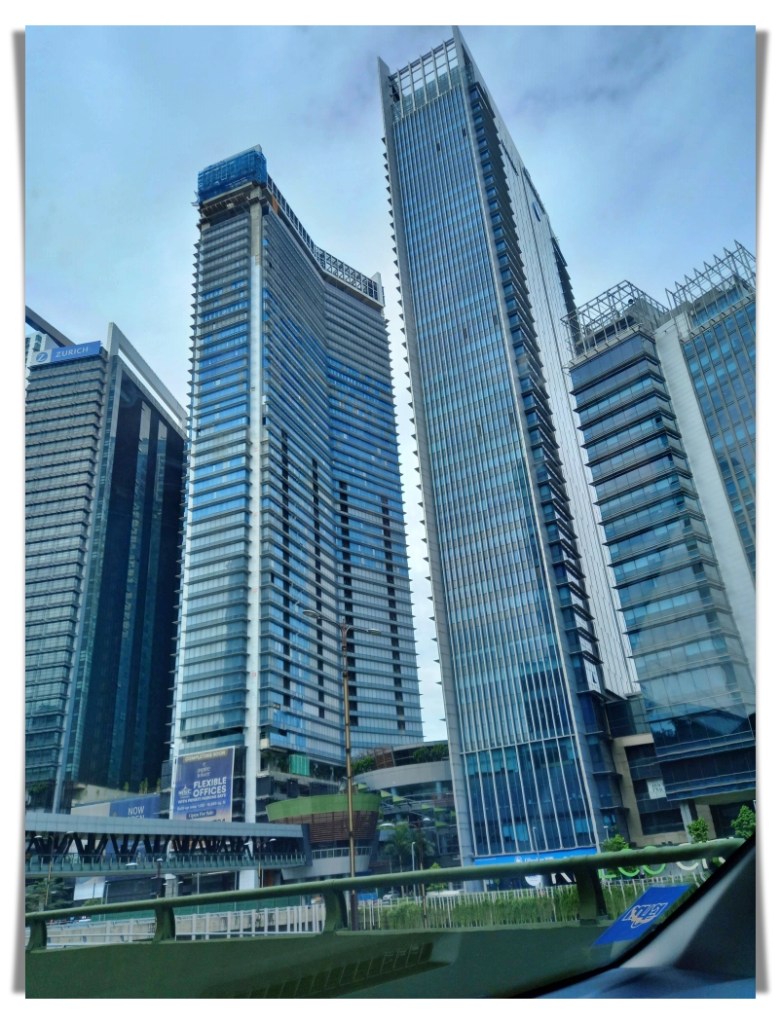
Most people don’t understand what it feels like to live between places. It is not exactly sadness. That is what I would want people to understand first. When they hear “between places,” they think of a wound, like a hole in the heart that never heals. That description does not fit. A “stretching” is more accurate.
I am Iban. My bones know the red earth of Sarawak. That is what my body recognizes first. But I have now lived in Kuala Lumpur longer than I ever lived there. I have a husband who grew up in Penampang, Sabah, and children who have only ever known this city as home. I pay the condo rent and fees. I navigate the highway to Puchong. I visit the Pasar Borneo in Seri Kembangan, where vendors sell dabai that has been flown in from Sarawak. My life is here but “here” does not feel like home in a complete way.
When I go back to the longhouse, I notice it in my cousins’ expressions. I am “the one from KL.” I speak the language, but sometimes the rhythm is slightly off. I have to pause to remember the right word for something I haven’t touched in years. I am welcomed, always, with warmth, food, and laughter, but there is a politeness to it. It’s a subtle sense that I am now a guest. My children, when they come with me, are treated with affection, but also with a gentle bewilderment. They are Iban, but they do not know how to be Iban in the way that is expected. I am no longer fully at home there either.
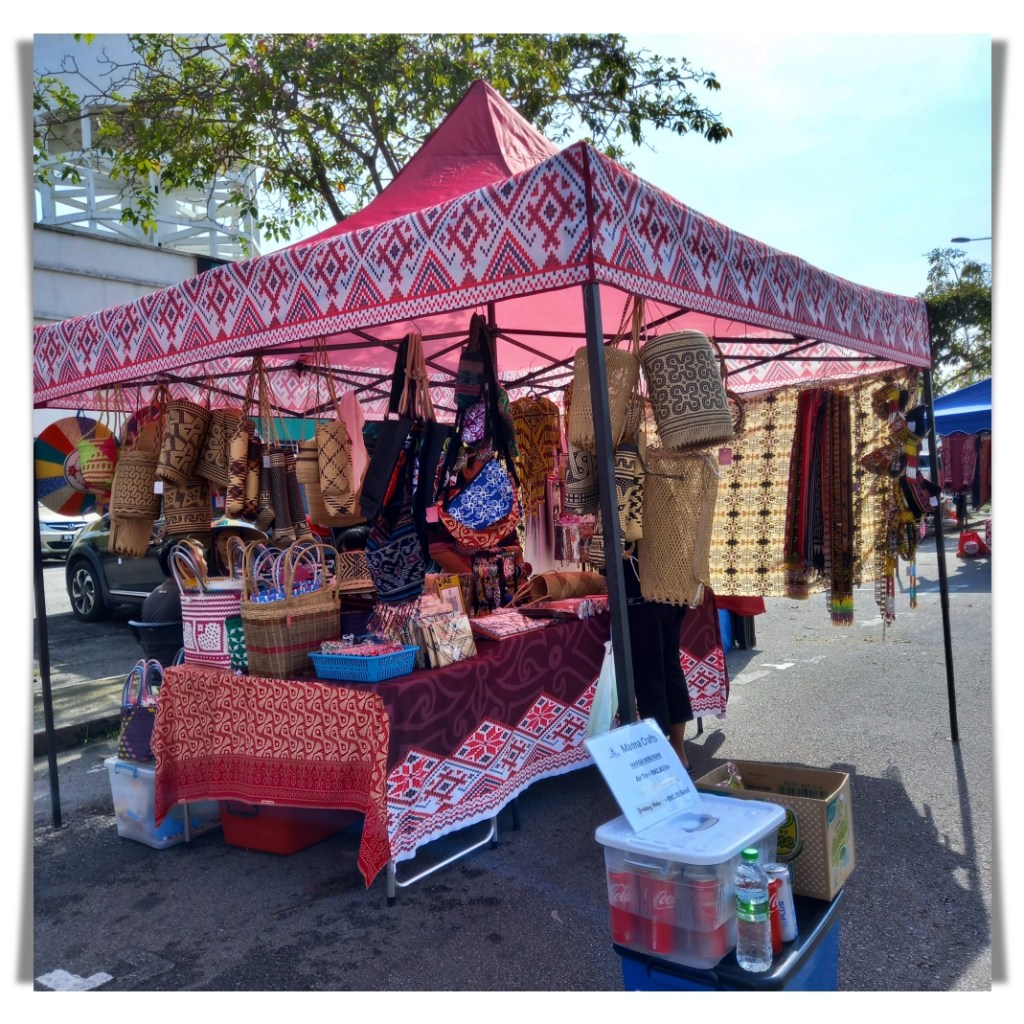
This leaves me in a scattered position. My identity is not a single point on a map. It is a thread that runs back and forth across the South China Sea. My children are the living proof of this stretch. Their identity extends across even more layers than mine. They are Iban-Kadazan by blood and suburban KL-ites by every lived experience. They eat nasi lemak for breakfast and request ayam pansoh or hinava for their birthday dinner. They speak English and Malay with a city accent and only understand a word or two of Iban or Kadazan. They are not disconnected from their heritage, I make sure of that, but they are also not rooted in it the way I once was. I see them working through their sense of being between places at school when asked where they’re “from.”
I used to feel guilty about this. As if I had not given them a single, stable foundation. I do not feel that way anymore. I have come to understand that geographical distance often reflects a connection, not a lack of it. I remain connected to my family through WhatsApp or Facebook.
Living between places means I am constantly translating language, meaning, belonging, and self. To my KL friends, I am the “exotic” one from Borneo, with the tattoos, living atop the trees, and the stories of the headhunter ancestors. To my family back home, I am the modern one, the city-dweller, and the one who left. Neither captures the full picture. The full truth is that I am both. People who have never left their home place might see this as a tragedy of loss. This misses something important. Staying in one place would have limited what I could carry with me.
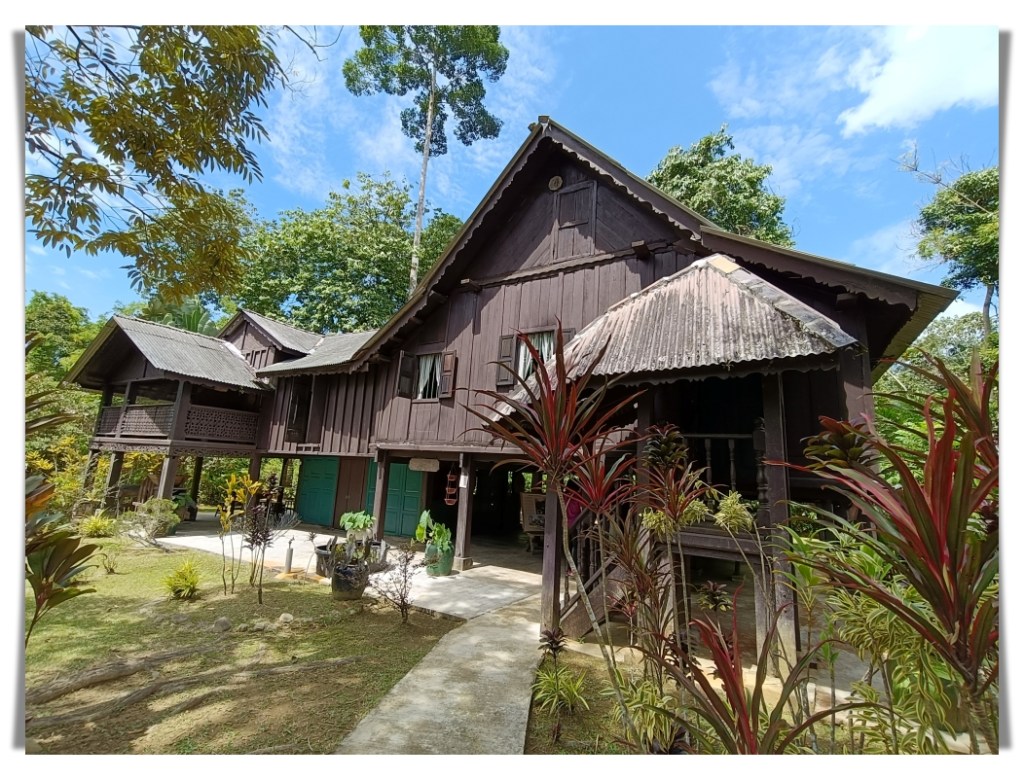
I am not fully home in one place. The result is that I have made small homes in many. My identity is scattered like seeds. I am watching them grow, in my children and in the friendships I have built across this country.
It is a complicated way to live, but it is mine. It has made me capable of understanding something essential: that you can love a place deeply and still not belong to it entirely. That belonging can be a choice, a meal you cook, a story you tell, or a journey you make again and again. Many people do not understand what it feels like to live between places. But I do. And in that stretching I have found a form of wholeness I did not expect.
I write about Iban culture, ancestral rituals, creative life, emotional truths, and the quiet transformations of love, motherhood, and identity. If this speaks to you, subscribe and journey with me.
 Olivia's Atelier