
Today’s writing prompt asks, “Who is the most confident person you know?” I paused reading it for a moment. The question assumes the existence of absolute confidence, as though an individual could navigate life with complete confidence in every circumstance. I’ve never met anyone like that. Based on what I’ve seen, confidence only shows up in some places. It comes from a mix of experience, knowledge, and familiarity. Even the smartest person can get confused outside of those areas.
A surgeon might seem calm and sure of themself in the operating room, but they might feel out of place in a room full of strangers. A history professor may not know what to say when asked about something that isn’t in their field. If you spend enough time with someone, even if they seem sure of themselves, you might see them show signs of doubt.
Knowing your subject well is a big part of confidence. When someone has been studying or practicing something for a long time, it’s clear that they know what they’re doing. They are more calm and they tend to not rush to fill silence or insist that they are right. They simply speak from their knowledge and experience.
Another form of confidence is performed. Some people project confidence loudly and often talk quickly and with authority about many things. It can look real from a distance but it becomes clear over time that the performance is based on very little knowledge. So what is the difference between the two? Real confidence doesn’t need to be reinforced all the time. It doesn’t need outside validation or praise.
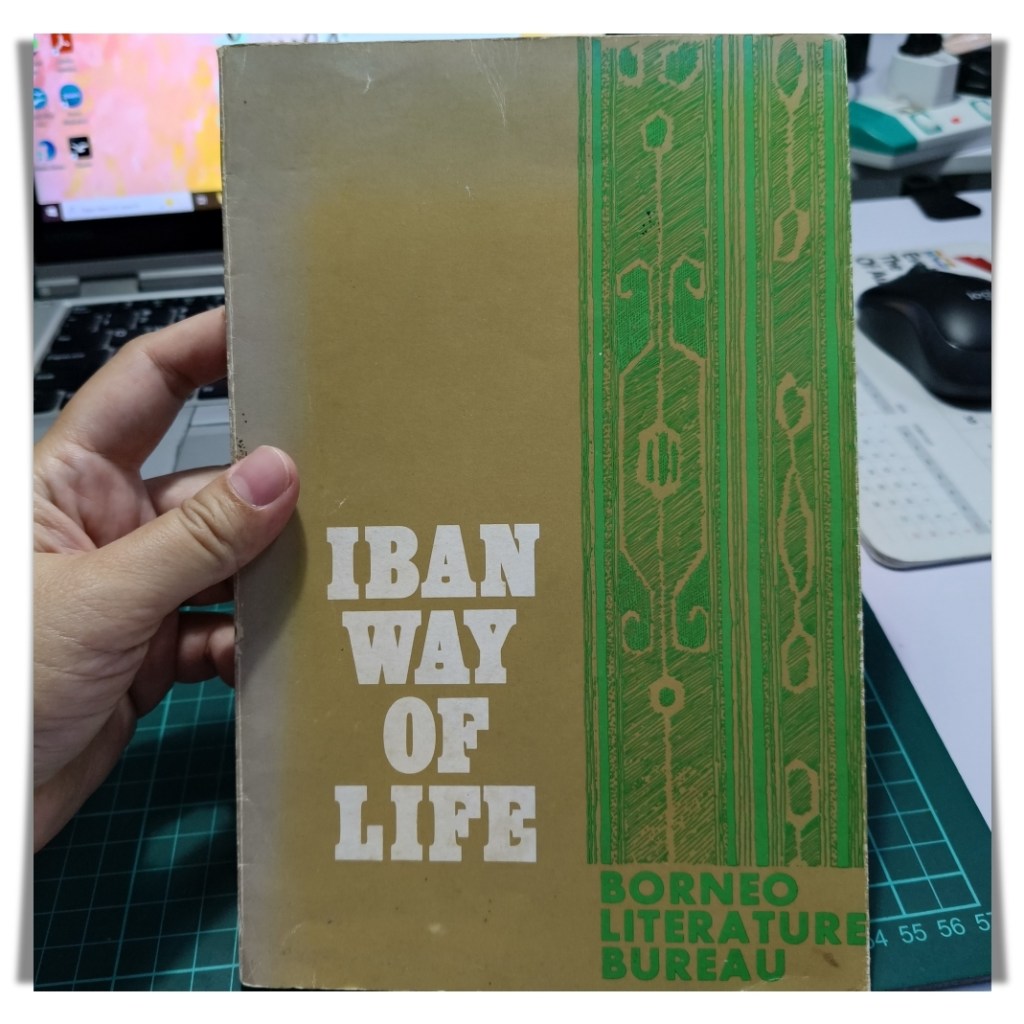
When I write about Iban culture, I sometimes think about this. Because I grew up in that world, I feel confident I can talk about it in some ways. I experienced the culture instead of merely reading about it. I remember the stories told by the elders, things like the forest, the spirits, and the land. These things form a background that is difficult to separate from everyday life. But that doesn’t mean I understand everything about being Iban.
The culture is much bigger than what one person has experienced. It holds memories from many generations and traditions that had been passed down for a long time before written records existed. And customs or practices that vary from one region to another. Even now, I still come across stories, beliefs, and historical facts that I didn’t know before.
Some discoveries come through books written by researchers. At other times they also appear in conversations with older relatives who remember things that were never written down. Sometimes they emerge as fragments of memory that return out of the blue. These moments show that being a part of a culture doesn’t mean you know everything about it. It means starting the journey from the inside and experiencing it firsthand.
That’s where my confidence lies when I write about these things. It is not the confidence of someone who thinks they know everything about the subject. It’s the knowledge of someone who has lived in a certain world long enough to see its patterns, even though they know that most of it is still out of reach.
It seems that this kind of partial confidence is everywhere. People go through life with small areas of certainty and much larger areas of learning around them. Nobody is confident about everything in life. Most of us just know where our footing feels steady and where it does not.
I write about Iban culture, ancestral rituals, creative life, emotional truths, and the quiet transformations of love, motherhood, and identity. If this speaks to you, subscribe and journey with me.
 Olivia's Atelier